Introduction
Germany is a European destination that I believe is underrated by many Americans compared with France or Italy. On our trip we discovered deep history, extraordinary culture, and dramatic landscapes that deserve more attention.
Historically, Nuremberg was among the most powerful cities in the Holy Roman Empire. Bavarian actions helped shape the Napoleonic era. We only scratched the surface at museums that preserve relics from those times, and we walked among ruins that are a thousand years old.
Germany’s cultural legacy includes towering names in music—Beethoven, Bach, Wagner, Brahms, Mendelssohn, Handel—and the country’s scientists, mathematicians, and craftsmen have driven major advances in human history.
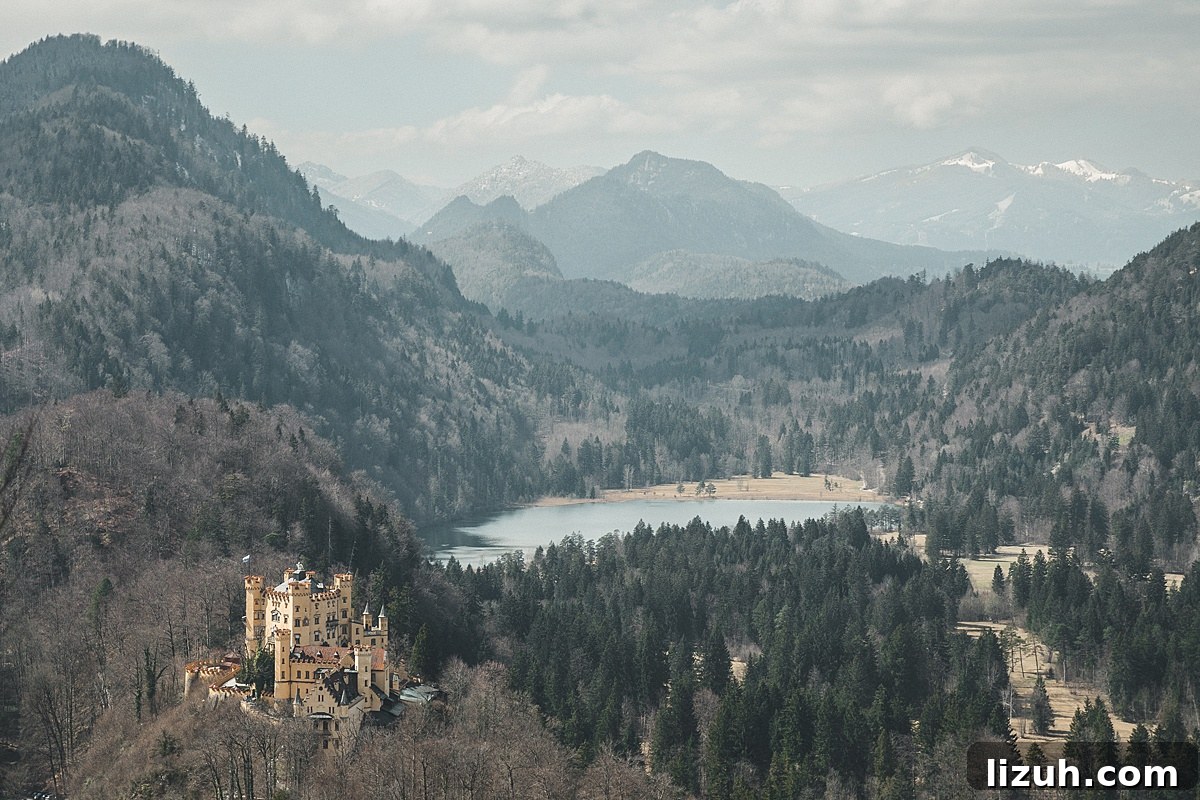
The natural scenery was breathtaking: not just at famous sites, but on every drive and in small pockets of countryside and urban corners. Our itinerary crossed borders into Poland, Czechia, Austria, and France as we explored Saxon Switzerland National Park, Dresden, Munich, Garmisch-Partenkirchen and the Zugspitze, the Black Forest, Baden-Baden, Heidelberg, Nuremberg, Leipzig, and Berlin.
P.S. A quick note of thanks to LensRentals.com for helping with camera gear at the last minute. Their fast service kept our trip well-documented.
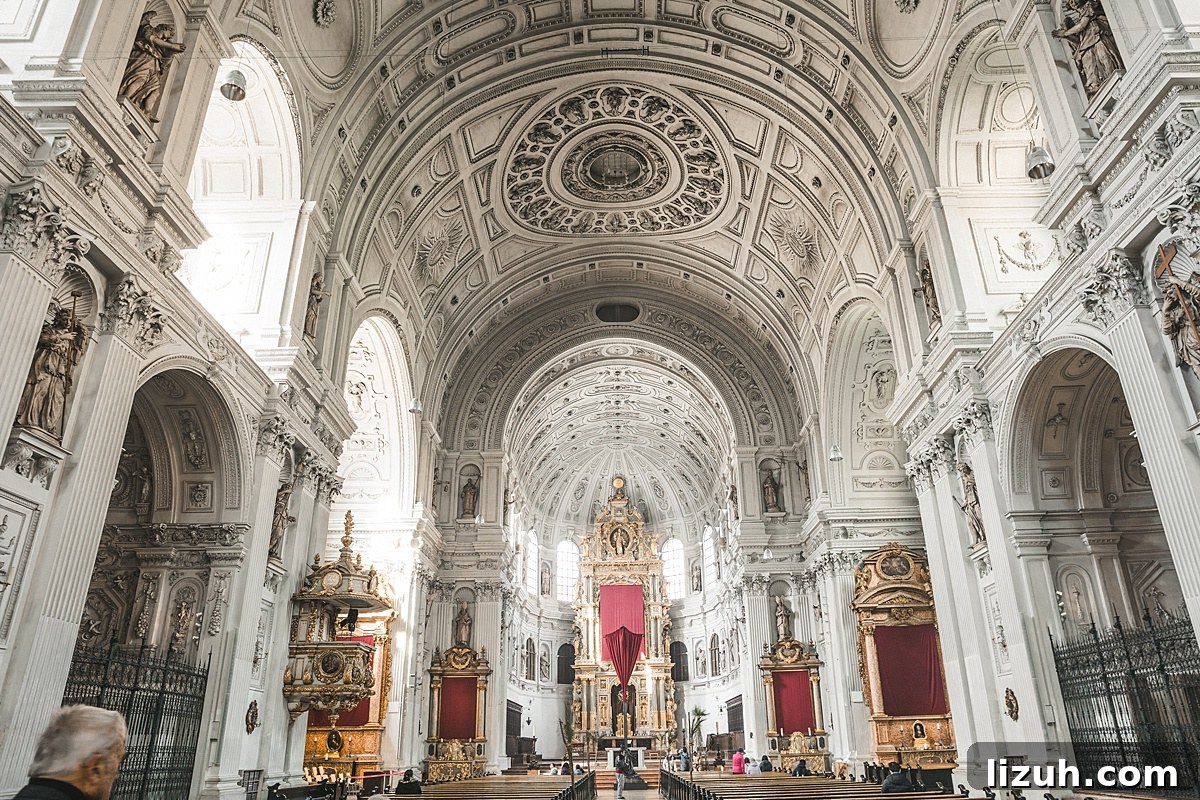
During our night drives I typed short journal entries about the day. I planned to polish them later, but we returned home exhausted and ill, so these are presented largely as I wrote them on the road. You’ll also find a Table of Contents below to jump to highlights and practical takeaways.
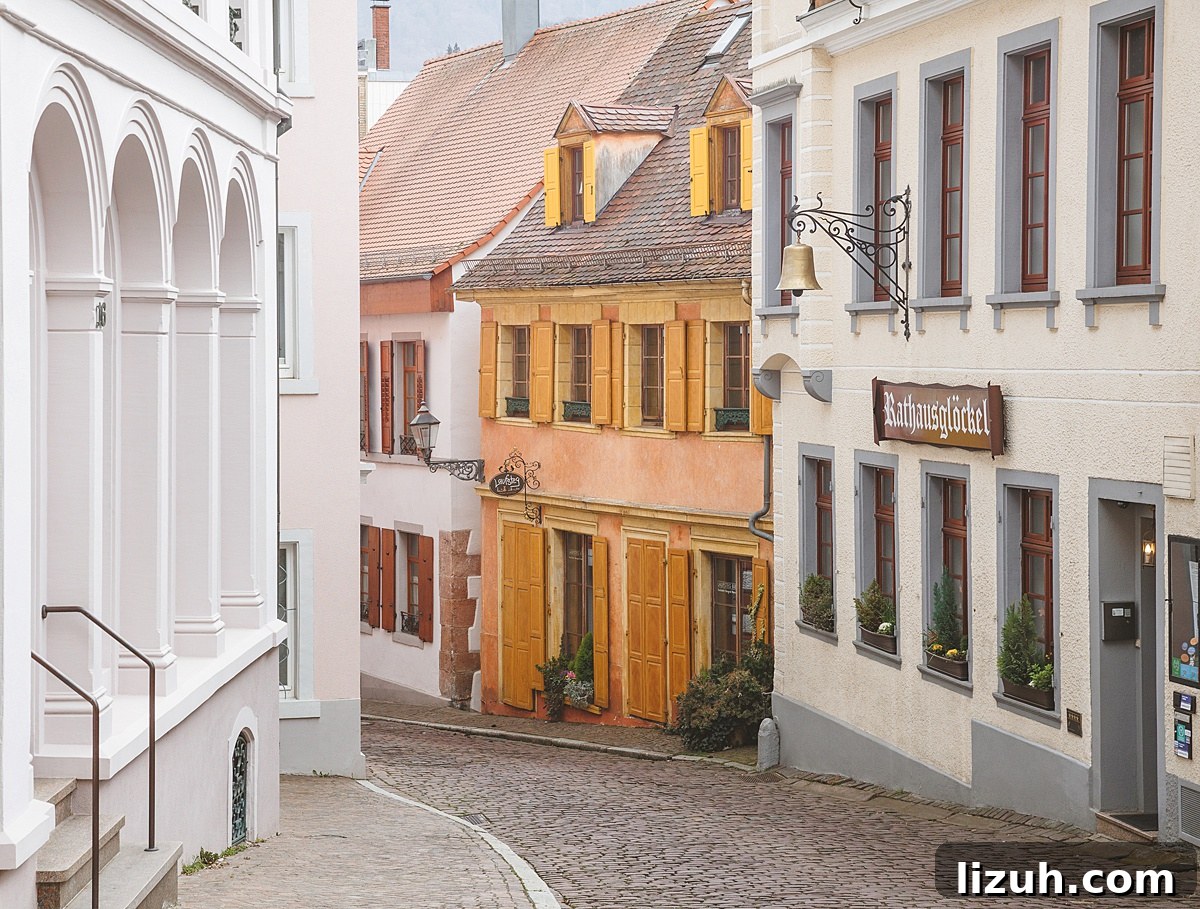
Table of Contents
Thursday/Friday March 30–31
Gablenz
Poland, Rakotzbrücke, and Muskau Park
Our trip began with an overnight flight from New York to Berlin. After landing and picking up a roomy van, we drove toward the countryside. Berlin near the airport felt remarkably clean and orderly, then the landscape changed to endless, neat rows of birch and evergreen trees.
Crossing into Poland was marked by red-and-white road signs and painted trees. The children thought the villages looked like fairy tales, with smoke curling from chimneys above pitched roofs set in gentle fields.
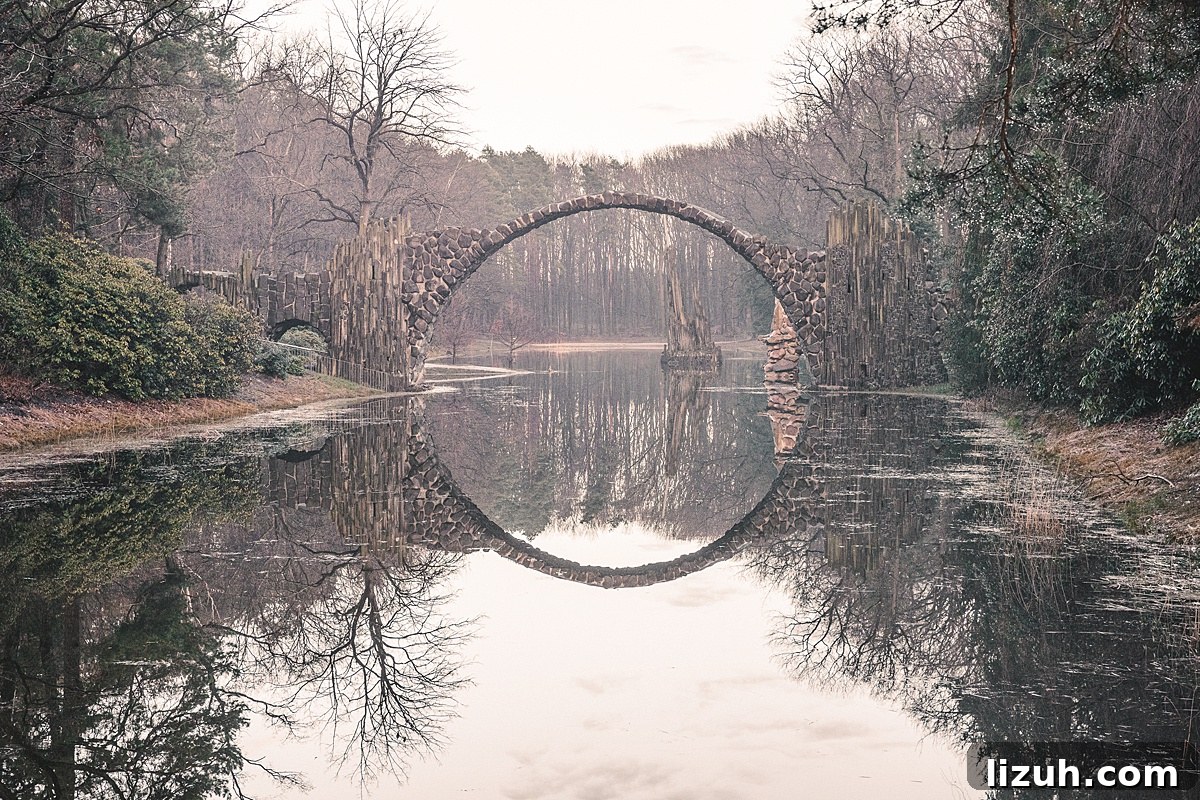
We had an early hiccup—being stopped by Polish police—which ended up as a brief, expensive lesson but no lasting harm. Later the sun broke through the rain and made the countryside glow as we crossed back into Germany to visit Rakotzbrücke, the Devil’s Bridge.
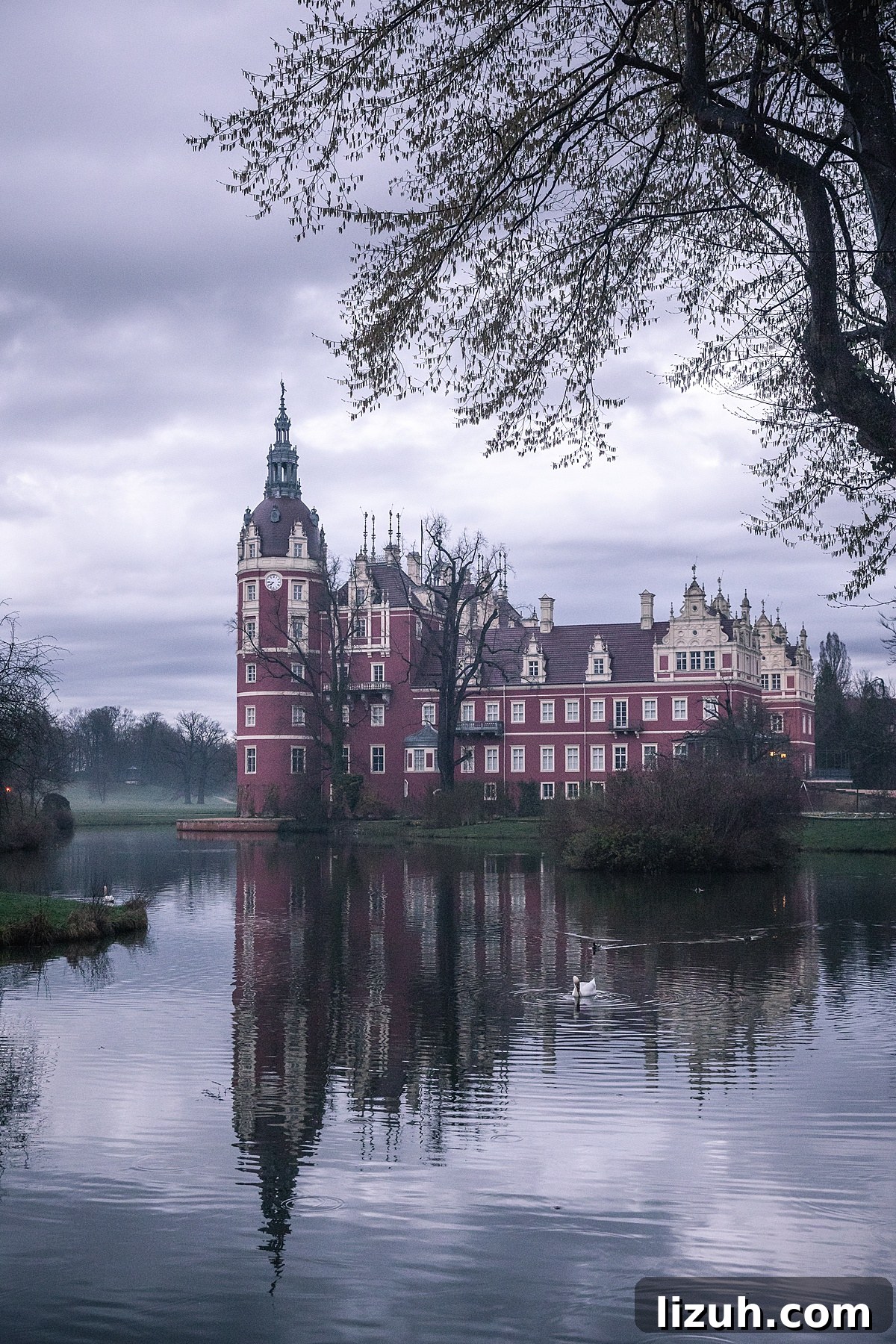
After a short delay figuring out a parking app, we discovered Schloss Muskau at twilight. Mist rose off its moat as swans traced the reflections. We wandered until dark, had our first German meal—schnitzel in a cozy restaurant—and stayed the night in a small Polish bed and breakfast.
Saturday, April 1
Saxon Switzerland National Park
Including the Bastei Bridge
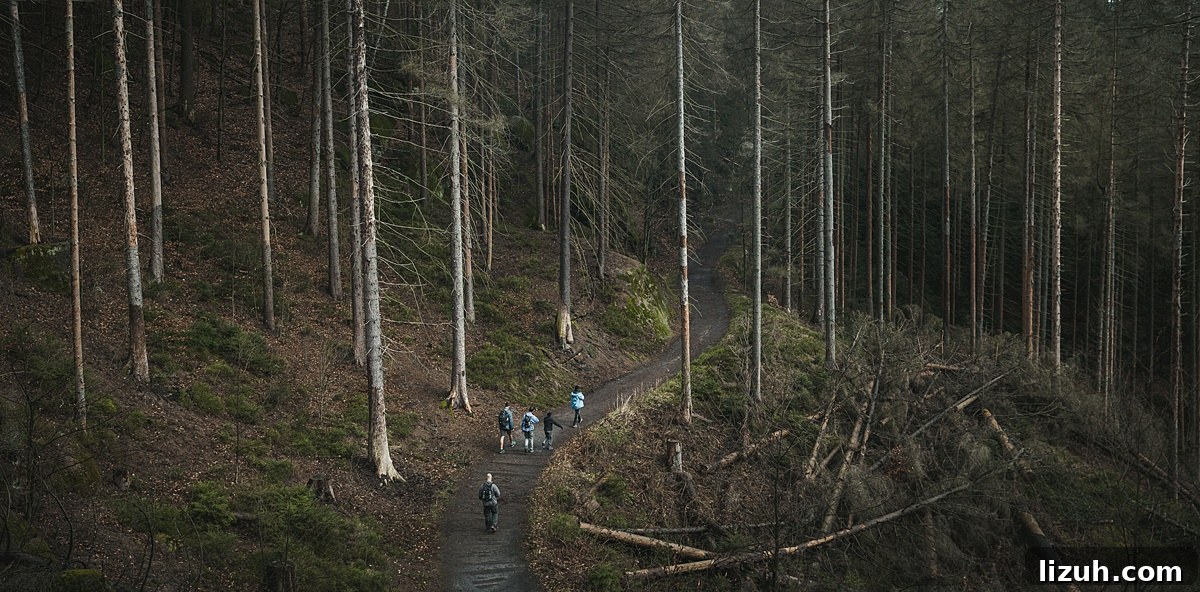
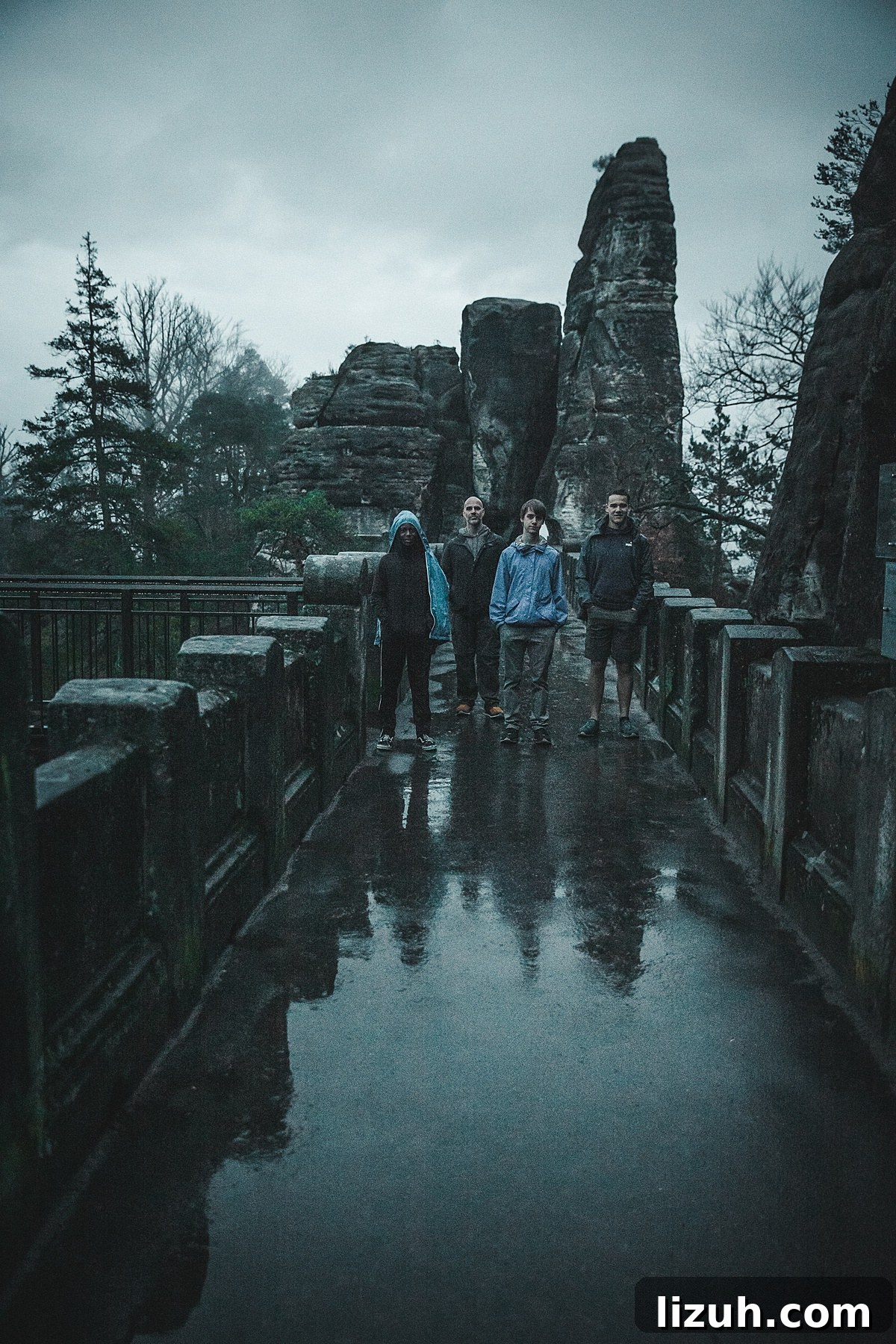
We set off for Saxon Switzerland and the town of Bad Schandau, taking in countless picturesque villages that didn’t seem staged—just naturally charming. On a hike that a fellow traveler called “the best 10K,” we climbed stairs and ladders through misty forests, through changing weather and dramatic viewpoints.
We finished the day at the Bastei Bridge at twilight, with light rain and very few other visitors. The ruins of Königstein fortress nearby offered more exploration in soft, fading light.
After dinner and a hearty laugh over exhausted humor and good beer, we drove two hours toward Dresden.
Sunday, April 2
Dresden
The Zwinger Museum and Frauenkirche
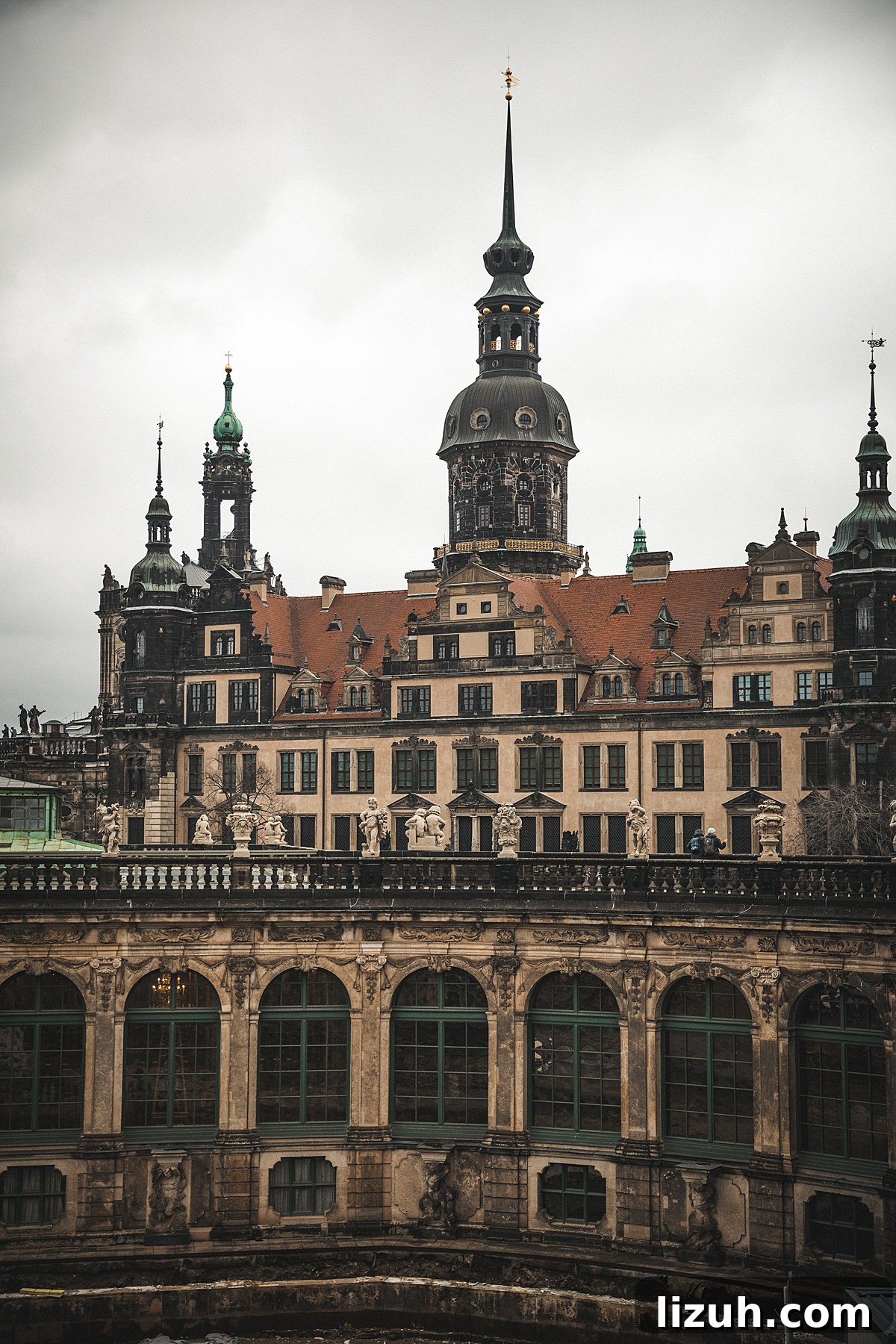
Dresden felt unexpectedly quiet late at night. The next morning we explored the Zwinger palace, lingering in the Porcelain and Mathematics/Physics wings, and spent hours in the castle’s weapon and armor exhibits. In the evening we attended a Palm Sunday service at Frauenkirche and enjoyed rich, dark German hot chocolate before driving toward Munich.
Monday, April 3
Munich
BMW Welt, Olympic Park, Old Town
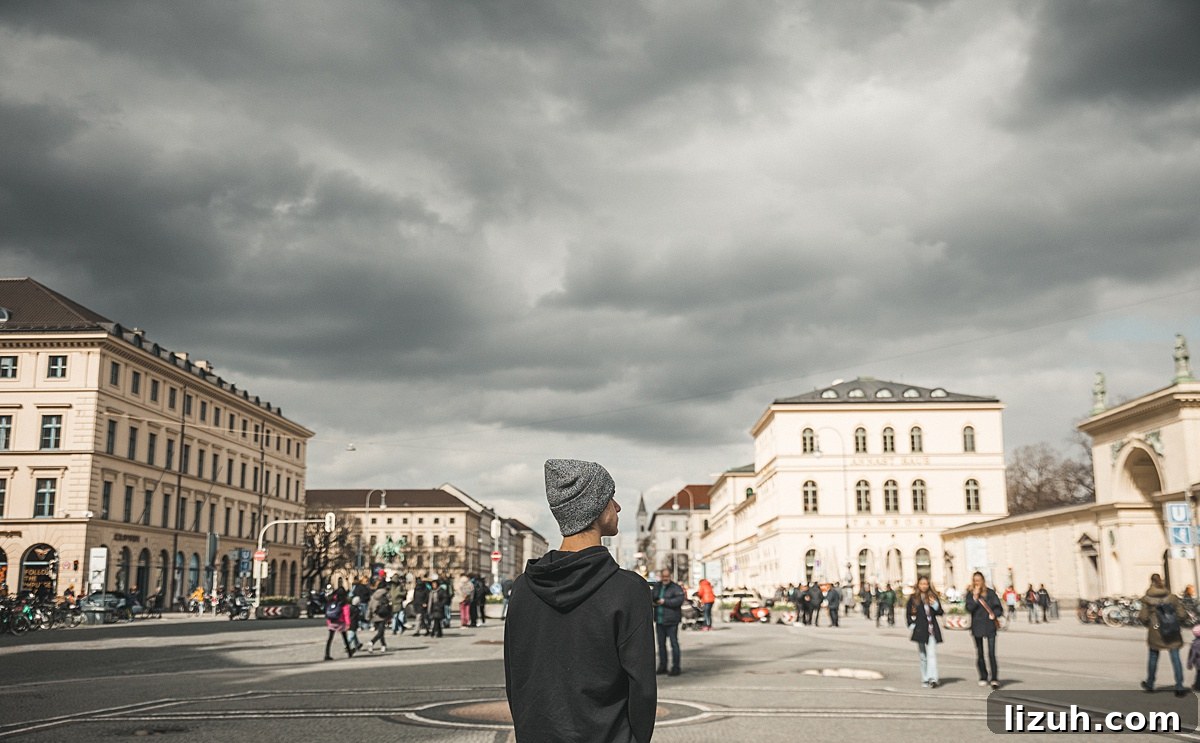
Breakfast at our Holiday Inn Express in Erlangen was surprisingly abundant and fresh. We visited BMW Welt, crossed to the Olympic Park, and then explored Munich’s lively old town. A self-guided scavenger-hunt app took us to main sites (though the app itself was disappointing). Munich’s cobblestone squares, cathedrals, and markets made a strong impression. We then drove toward Garmisch-Partenkirchen for mountain scenery and a multi-night stay.
Tuesday, April 4
Garmisch-Partenkirchen, Day 1
Zugspitze and Neuschwanstein Castle
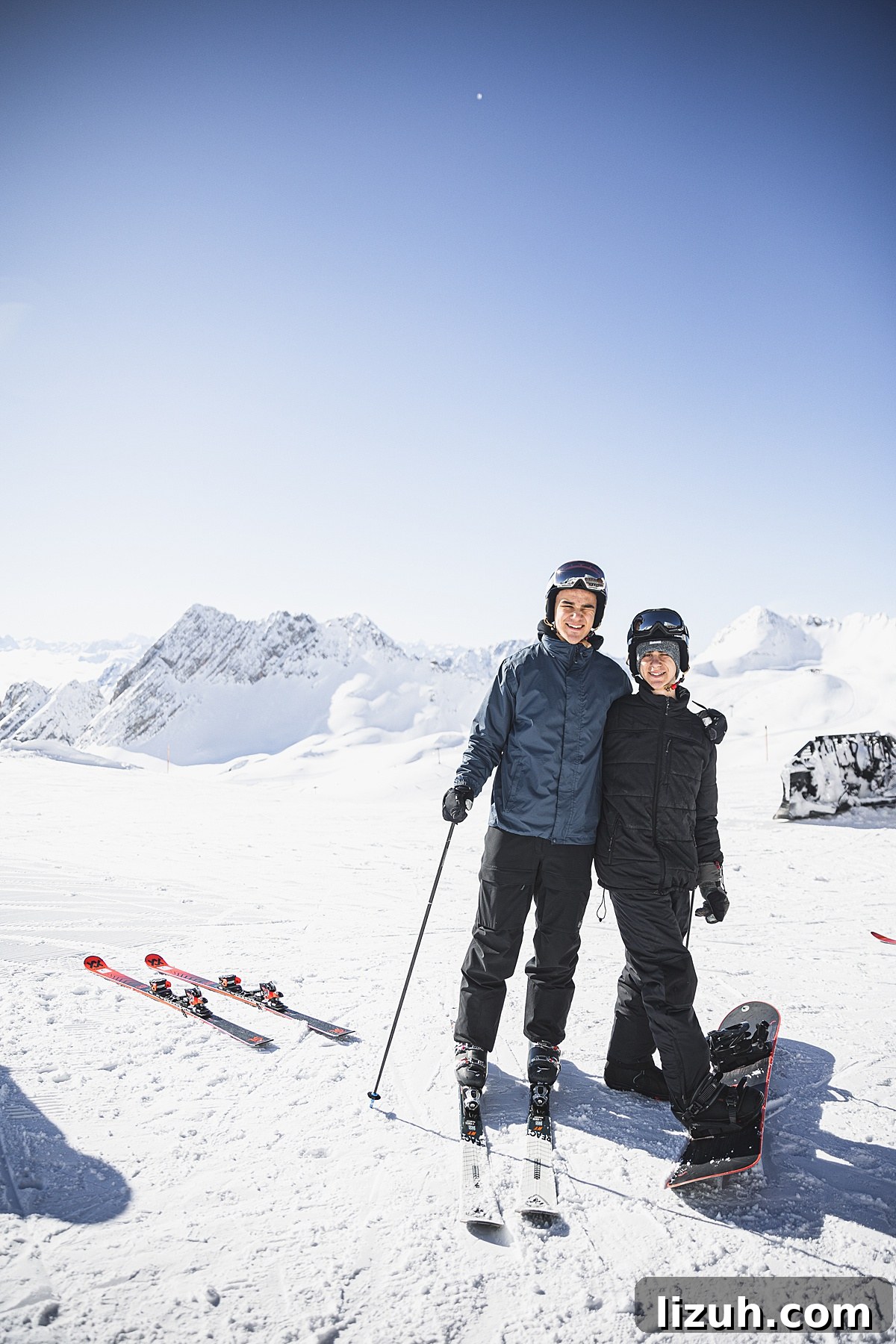
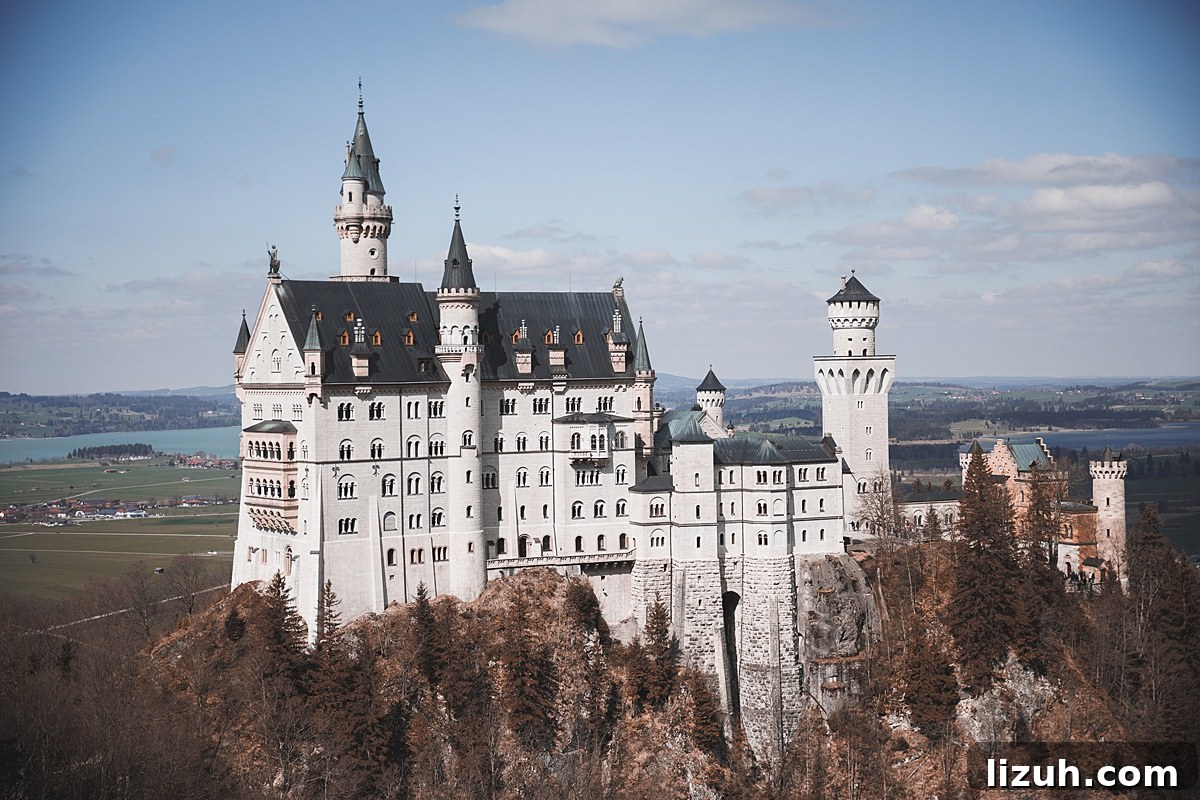
The Zugspitze, Germany’s highest peak, delivered spectacular views. A cable car ride took us above the clouds into brilliant sun and deep blue skies. The ski area on the glacier was free to use once you pay for the lift; family discounts on cable fares made it affordable. Later we visited Neuschwanstein Castle—crowded and rushed, but still iconic—and returned to the apartment for a relaxed evening.
Wednesday, April 5 — 20th Wedding Anniversary
Garmisch-Partenkirchen, Day 2
Rest, Recharge, and Lake Eibsee
We celebrated quietly with coffee and a walk around Lake Eibsee. A leisurely day of grocery shopping, packing lunches, and enjoying family time set us up for the next leg of the trip.
Maundy Thursday, April 6
The Black Forest
Triberg, The Black Forest High Road, Baden-Baden
Our drive skirted Lake Constance and led into the Black Forest. Triberg—known for cuckoo clocks and waterfalls—felt touristy but still memorable. Baden-Baden exceeded expectations with spring blossoms, colonnades, and a charming town square where we attended a Maundy Thursday service.
Good Friday, April 7
Castles — Panoramweg and Heidelberg
We wandered the Panoramweg and enjoyed castle ruins near Baden-Baden, then traveled on to Heidelberg. Heidelberg Castle was a highlight: massive defensive walls, impressive artistry, and a fascinating Pharmacy Museum. After a steep walk back down to town, a brief panic over a forgotten purse ended happily when it was returned exactly where I’d left it.
Saturday, April 8
Nuremberg
City of Empire Tours, Nazi Rally Grounds, Old Town
In Nuremberg we took a thoughtful guided tour covering the city’s imperial history through the Nazi era. The visit to the Rally Grounds and the historical context provided by our guide were powerful and important. A tense encounter at the train station was resolved with police assistance, but it left the family shaken for hours.
Easter Sunday, April 9
Leipzig
Leipzig University, Grassi Museum, Thomaskirche
Leipzig dawned to church bells, and we attended an uplifting English-language service. We spent much of the day on a self-guided audio tour, extended by visits to the Grassi Museum (musical instruments and Roman exhibits) and the Thomaskirche, where Bach worked for many years. The city’s open market and relaxed vibe made for a joyful Easter.
Easter Monday, April 10
Berlin
Berlin Wall Memorial, Palace of Tears, Memorial to the Murdered Jews of Europe, Brandenburg Gate
On our final day we visited sites that confront Germany’s divided and tragic past: the Berlin Wall Memorial, the Palace of Tears at the former border crossing station, and the Memorial to the Murdered Jews of Europe. These memorials are designed to unsettle and provoke reflection—walking through them felt emotional and sobering. We also saw the Brandenburg Gate and sampled Rausch chocolate before wrapping up our journey.
Final Thoughts and Practical Tips
Demographics and culture
Germany felt less diverse than the Washington, DC area, and that contrast was noticeable. It prompted good family conversations, and we appreciated the warmth and welcome we found in some places, such as the English church in Leipzig.
Rules and daily life
Germany is orderly and rules-based. Expect strict enforcement—ticketed parking, strict bike lanes, and attention to regulations. Don’t take it personally; this system keeps public spaces functioning smoothly.
Small comforts we loved
- Bright, safe garages and stairwells with motion-sensor lights.
- Excellent water pressure in showers and large windows that open wide.
- Extensive bike paths—often better than roads for cycling.
- Bakeries that rival anywhere in Europe.
- Comfortable beds—many places use two twin mattresses pushed together for a firm, restful sleep.
Practical notes
- Most apartments have washers but not dryers; plan accordingly.
- Parking is limited and expensive—identify parking in advance and map directly to it.
- Download offline maps and a German dictionary in Google Translate if you’ll rely on navigation or public transit apps.
Costs
Cheaper: groceries, toiletries, family and student discounts, concerts, and lodging. More expensive: parking, gas, museums (sometimes charged per wing), public restrooms, and restaurant water.
In short: you will love Germany. Its history, culture, food, and landscapes offer powerful experiences for families and solo travelers alike. Pack well, plan parking and tickets ahead, and leave room to get pleasantly lost in villages, forests, and city streets.
Best Travel Purchases
Lightweight down coat, a comfortable camera sling, and packing cubes were invaluable on this trip. They made travel easier and more comfortable for long days of exploring.