
You’ve likely heard about PFAS (per- and polyfluoroalkyl substances) in cookware and outdoor gear. I’ve also written about these hazardous chemicals turning up in household appliances you might not expect, such as clothes irons and hair irons.
What may surprise you is that PFAS can also be applied as a coating to razor blade edges — the very blades you use on your face and intimate areas.
Recent Freedom of Information Act requests in Maine, which has some of the strictest PFAS disclosure laws, revealed dozens of companies whose products contain one or more PFAS. While Maine amended its law in April 2024 to ease reporting and add exemptions, these disclosures still exposed a widespread use of PFAS across many product categories.
Below I explain why PFAS on razor blades is concerning and share results from my inquiries into several major razor brands, along with recommendations for PFAS-free options where available.
What this article covers:
- PFAS hazards to human health and the environment
- PFAS in razors: Investigation results
- Razor brands without PFAS
- Kitsch
- Meridian
- Public Goods
- Razor brands with PFAS
- Questionable brands (Unclear if they’re PFAS-free or not)
- Takeaways on PFAS-free razors
- Want to learn more about PFAS?
This guide contains affiliate links, which means we may earn a commission if you decide to make a purchase. We only recommend products we trust.
PFAS hazards to human health and the environment
PFAS are linked to a wide range of health and environmental harms. Studies connect PFAS exposure to cancer, birth defects, heart disease, and more. Recent peer-reviewed work has even raised concerns about PFAS reducing the effectiveness of certain chemotherapies.
Known as “forever chemicals,” PFAS persist in the environment, accumulate in organisms, and rapidly contaminate groundwater. They bioaccumulate in fish, wildlife, and humans, creating long-term exposure risks across ecosystems and food chains.
Given their persistence and toxicity, minimizing exposure where possible is a prudent precaution, especially for products that contact skin or sensitive areas.
PFAS in razors: Investigation results
Why would PFAS be applied to razor blades? Most commonly, they serve as lubricants to reduce friction between the blade and skin, making shaving feel smoother and reducing the force needed to cut hair. They may also be used to help resist rust.
Although Maine’s disclosure explicitly named BIC as having PFAS-coated razors, my inquiries turned up additional brands that confirmed PTFE or Teflon coatings on blades. Finding razor brands that are verifiably PFAS-free proved challenging.
Several companies either confirmed PTFE (a type of PFAS) use on blades or provided responses that indicated PFAS coatings are common across the industry. In many cases, company representatives were unfamiliar with PFAS or needed clarification on the question, so be prepared to explain what you mean when you ask brands directly.
PRO TIP: If a razor product description doesn’t say “PFAS-free,” assume PFAS may be present and ask the company specifically whether any PFAS are present on blade surfaces before buying.
Razor brands without PFAS
Testing blades independently for PFAS is expensive, so we rely on company statements. The brands below told me their razors do not contain PFAS.
Kitsch
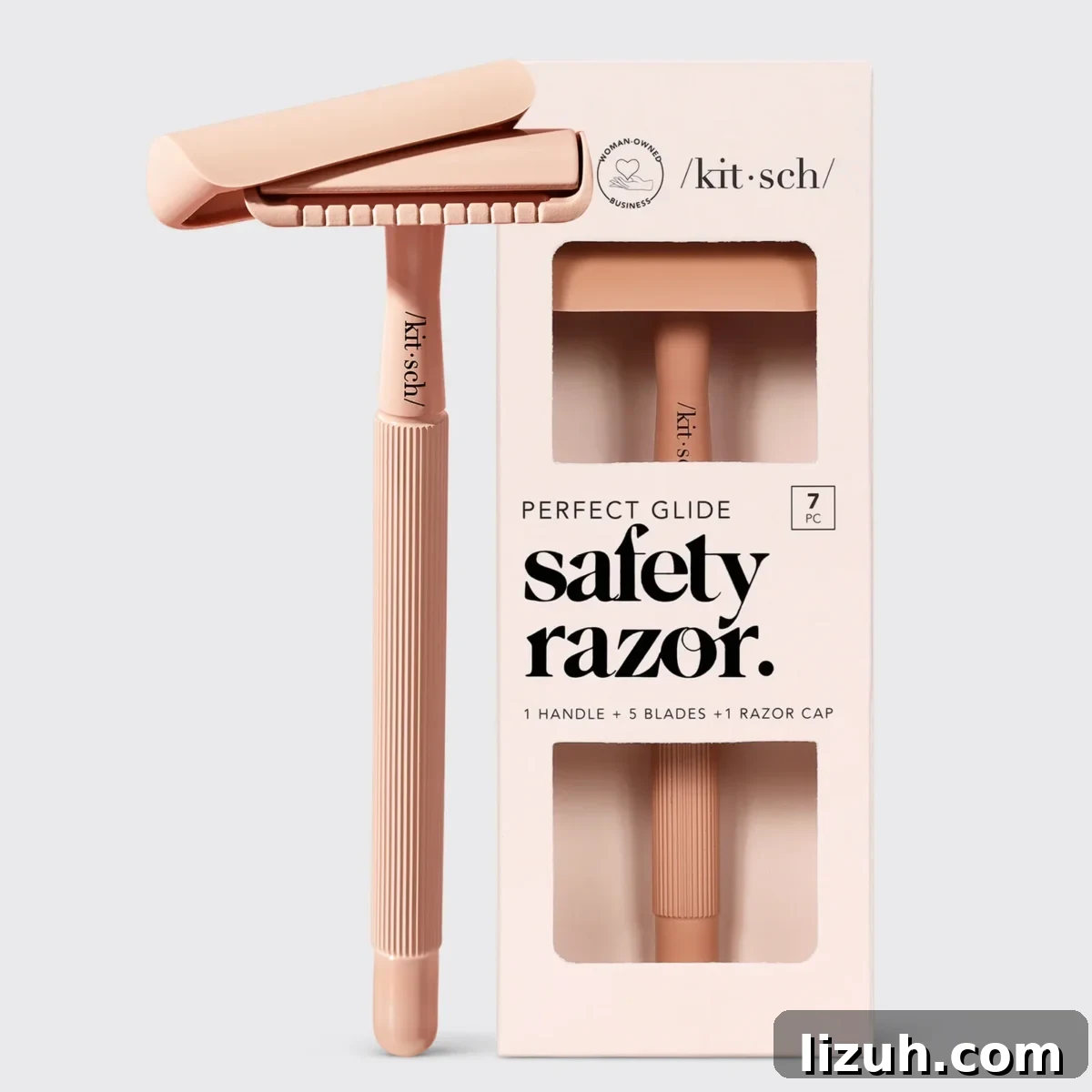

An unnamed Kitsch representative confirmed their razors do not contain PFAS. The company noted a light fragrance in one moisturizer and assured me the fragrance is free from phthalates and other harmful chemicals. Kitsch avoids parabens, phthalates, silicones, sulfates, and artificial fragrances across many of its products, though some items contain undisclosed natural fragrances and a few synthetic additives in limited formulas.
Kitsch also said their razors are nickel-free.
Meridian
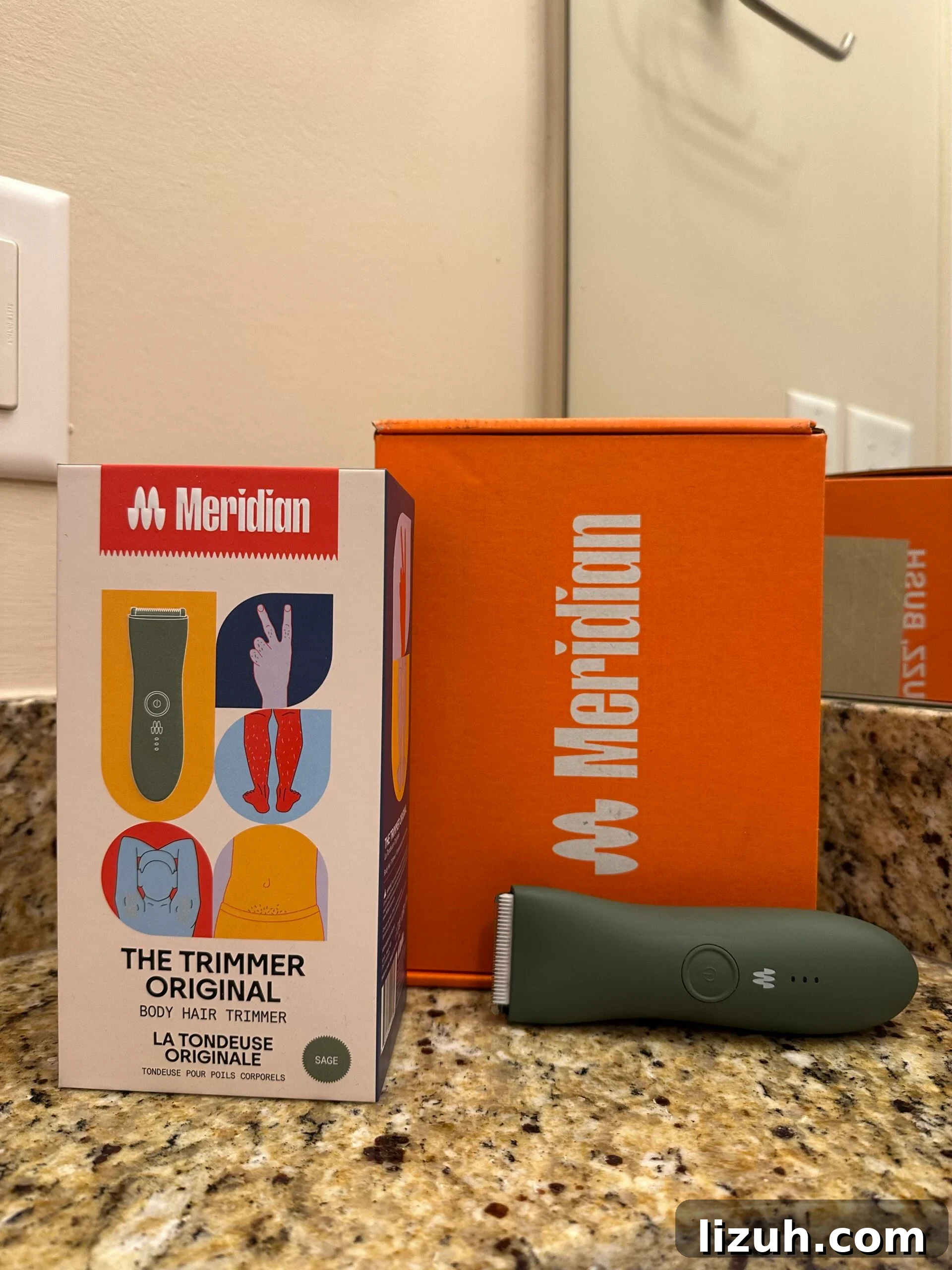
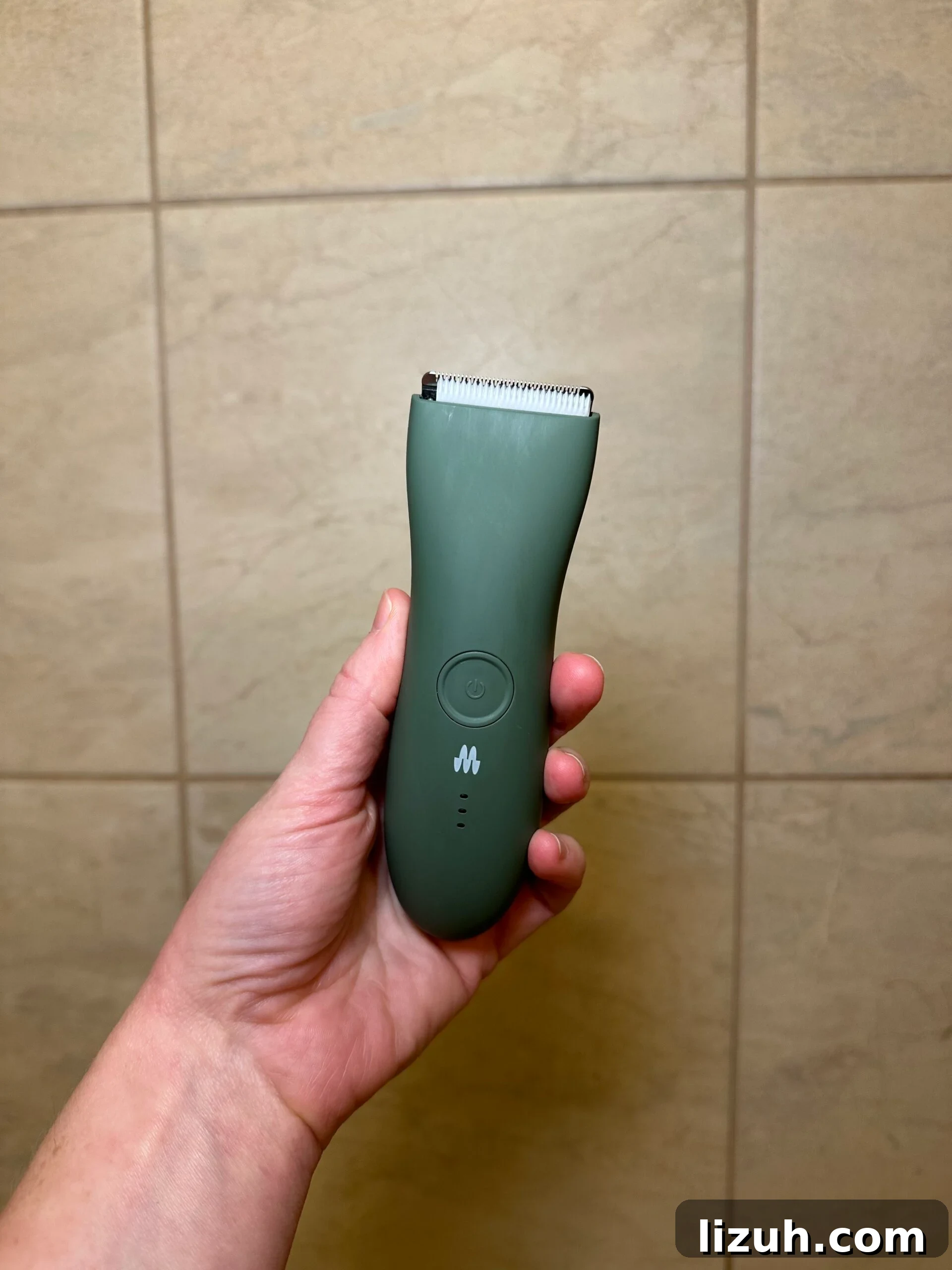
Meridian sells electric whole-body shavers and trimmers rather than conventional wet razors. They confirmed their trimmers are PFAS-free; the blades are ceramic, which reduces dragging and irritation. Their skincare offerings also use minimal ingredients and did not raise notable concerns in my review.
My personal experience with this shaver: it’s great for trimming and shower use, though it won’t give as close a wet shave as a blade razor.
Public Goods
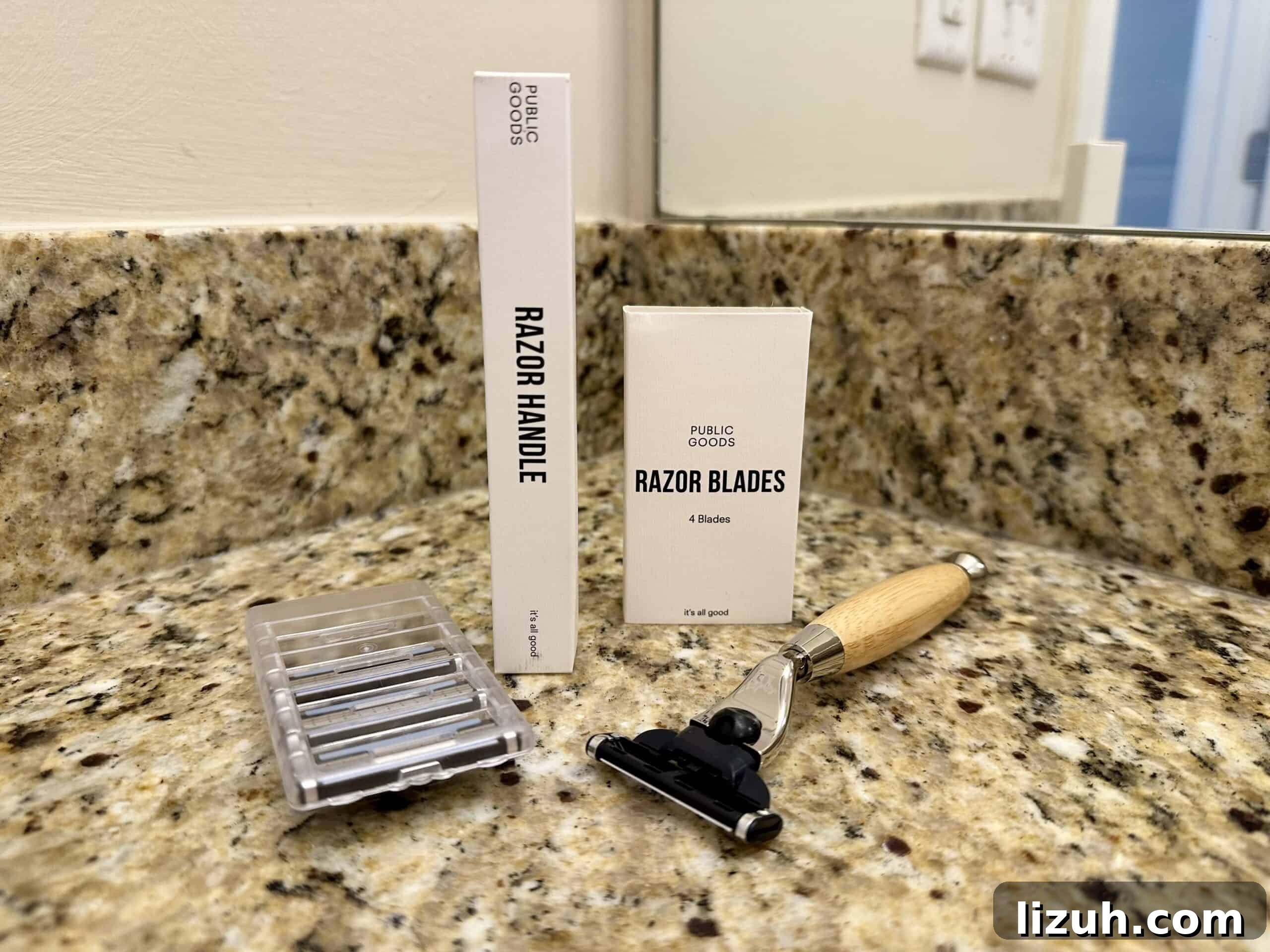
Public Goods told me their razor blades are stainless steel and nickel-free, and that the gel strips are made of aloe vera, stearic acid, and glycerol with no other chemicals. While the company carries a wide variety of products with varying ingredient quality, their razor is a solid, gender-neutral option with a bamboo-and-steel handle and replaceable three-blade heads.
My review: the razor is attractive and functional; replacement blades shave closely and the head pivots for body contours. Their shave cream does contain natural fragrance, which some may want to avoid.
Razor brands with PFAS
Several brands confirmed PTFE or Teflon coatings on their blades. These coatings are forms of PFAS and are best avoided if you’re trying to minimize exposure.
Athena Club
A representative confirmed using polytetrafluoroethylene (PTFE), commonly known as Teflon, on the final coating of their blades.
BIC
Maine’s disclosures and subsequent legal filings identify BIC razors as containing PFAS. Attempts to get more detail directly from BIC did not produce a substantive response.
Billie
Billie provided conflicting answers. After initially saying their blades did not contain PFAS, they later informed another consumer that PTFE is used across the wet-shave blade industry, including their products. Because of the inconsistency, I removed Billie from the PFAS-free list.
Leaf Shave
A company representative told me Leaf blades use an anti-friction PTFE coating and stated this is common across modern shaving blades.
Gillette (including Venus)
A customer service representative indicated a Teflon layer is present on their premium blades and said their coating does not contain PFOA, PFOS, and 34 other PFAS. The company classified the specific coating formula as proprietary. Note that being free of some PFAS does not mean a product is PFAS-free overall, as thousands of PFAS variants exist.
Questionable brands (Unclear if they’re PFAS-free or not)
The following brands were contacted but had not provided definitive answers at the time of this writing. I will update when they respond.
- Grove Collaborative — Customer service passed my inquiry to an internal team to follow up.
- Preserve — An eco-forward brand I expected could be PFAS-free; awaiting reply.
- EcoRoots — A small brand selling safety razors; no response yet.
- Flamingo — Provided lubricating strip ingredient lists and noted fragrance in one cream; PFAS status of blades pending.
- Harry’s — No response yet.
- Schick — Attempted contact by phone; rep said they would escalate and follow up.
Takeaways on PFAS-free razors
It was disappointing but not surprising to learn that PFAS-coated blades are common in the razor industry. Many customer service teams were unable to answer detailed questions about when PFAS were first used on blades or whether coatings migrate onto skin during use or into water when rinsing. Those are important unanswered questions.
Because PFAS are persistent and potentially harmful, and because blades contact sensitive skin and can nick the skin, taking a precautionary approach is reasonable. If you want to avoid PFAS, buy from brands that explicitly confirm their blades are PFAS-free or choose electric ceramic-blade trimmers.
Until stronger regulation and more transparent reporting are standard, consumers may need to ask brands directly and assume PFAS are present unless a company clearly states otherwise.
Want to learn more about PFAS?
If you found this helpful and want to dive deeper into understanding PFAS and reducing them in your home, consider the PFAS Masterclass — a 5-day mini course with short video lessons that cover common misconceptions, ways to spot greenwashing, practical steps to reduce exposure, and a list of recommended PFAS-free products and an action sheet.
Delivered by email, the course is designed to help you make informed choices and take practical steps to limit PFAS in your daily life.
To receive weekly low-tox tips and updates, sign up for Filtered Fridays, or consider becoming a member for additional exclusive content and resources.