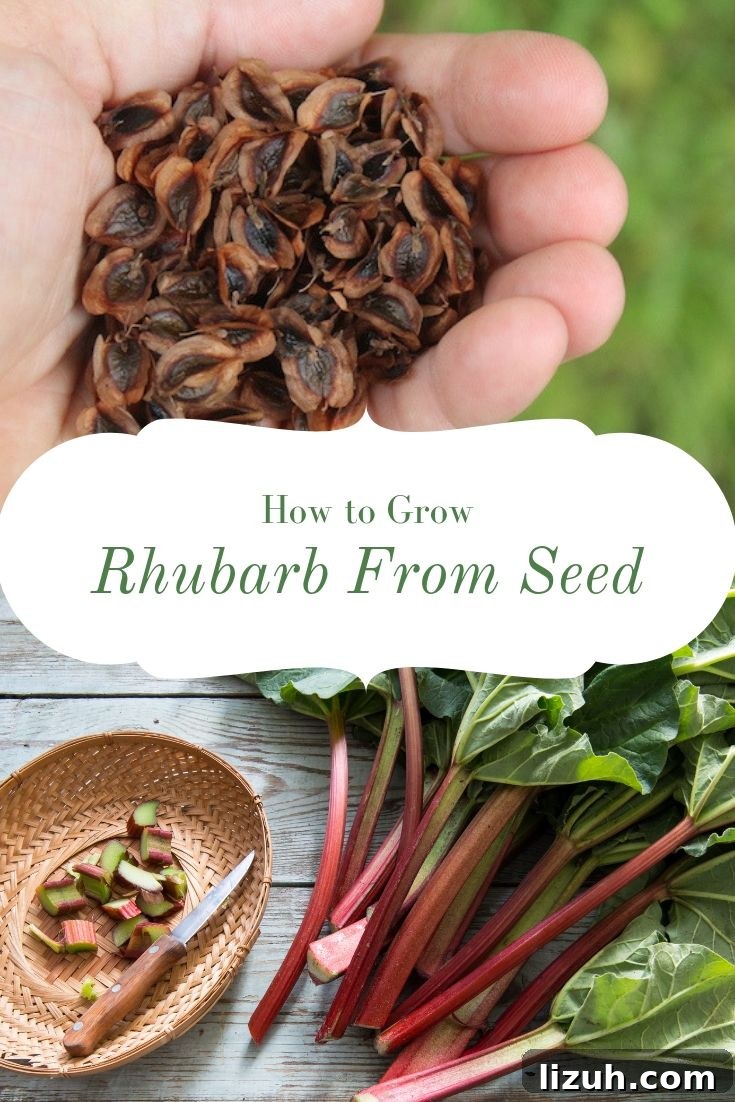
While rhubarb is often propagated by dividing crowns, growing it from seed is a far more economical option. Many nursery rhubarb plants are simply seedlings grown out for a season or two, so if you have the patience it’s easy to raise hundreds of plants for the cost of a single nursery specimen.
Like many perennials, rhubarb doesn’t come exactly true from seed. The offspring won’t be identical to the parent plant, but with rhubarb the variations are usually subtle. Most seedlings will be quite similar and only a dedicated rhubarb enthusiast will notice small differences. Some varieties, such as the heirloom Victoria rhubarb, are known to come reliably close to type from seed and are popular in garden plantings throughout the Northeast.
I was skeptical at first, until a local commercial grower told me they establish fields and CSA crops from seed. When I learned they’d set out a thousand plants grown from a packet of seed that cost only a few dollars, I was convinced. I later tasted rhubarb sold from that farm and it was excellent, and that convinced me to save seed and start my own seedlings.
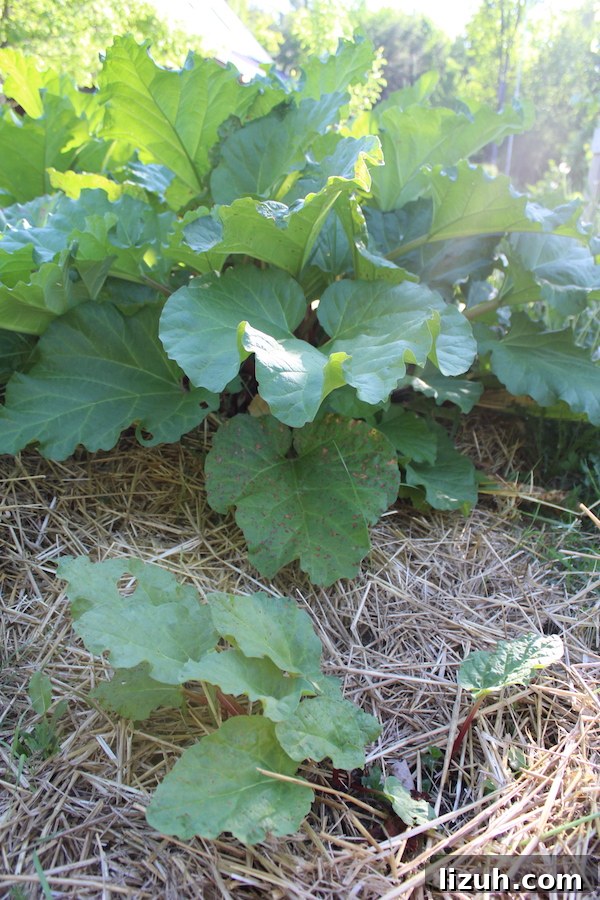
From that first saved seed I began growing my own rhubarb seedlings and filling the garden beds. Below are practical tips for saving seed, starting seedlings, and planting rhubarb in different climates.
Saving Rhubarb Seed
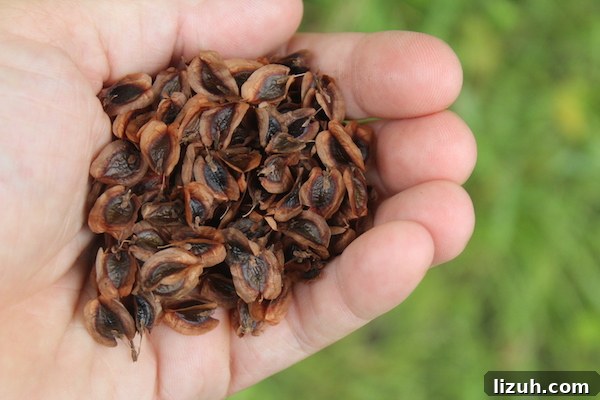
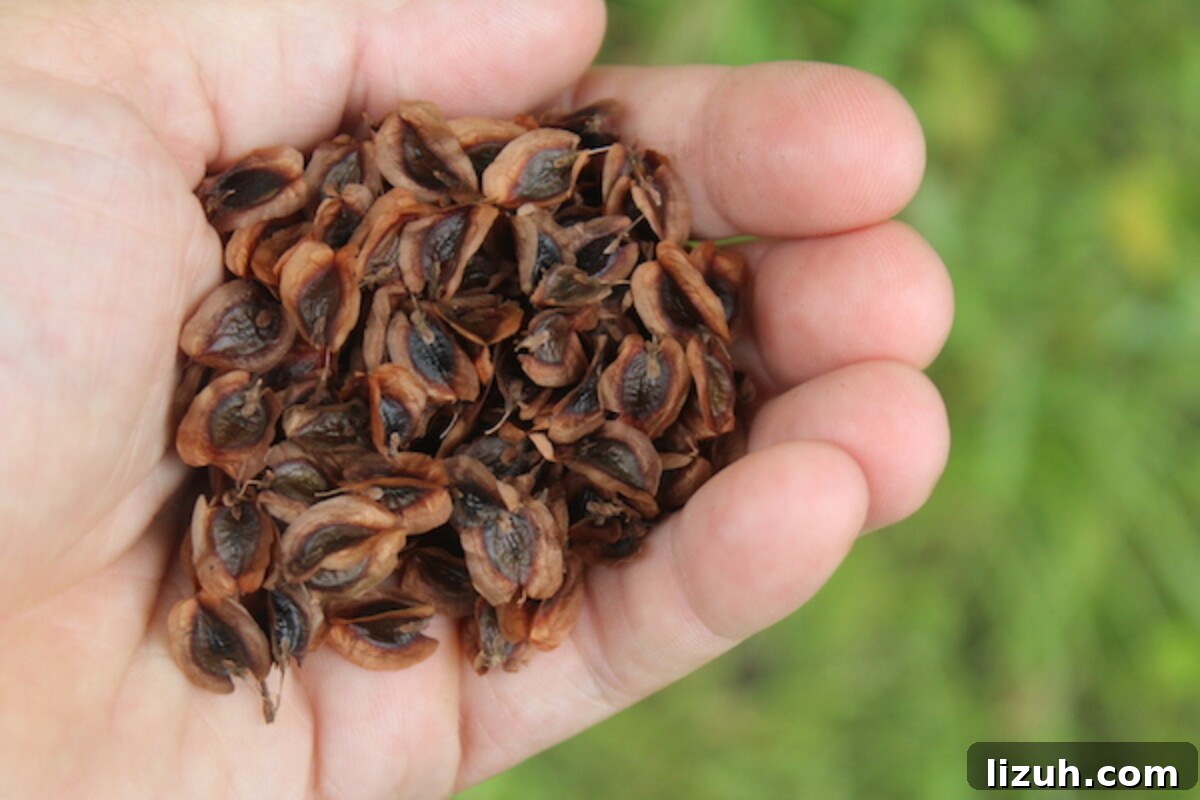
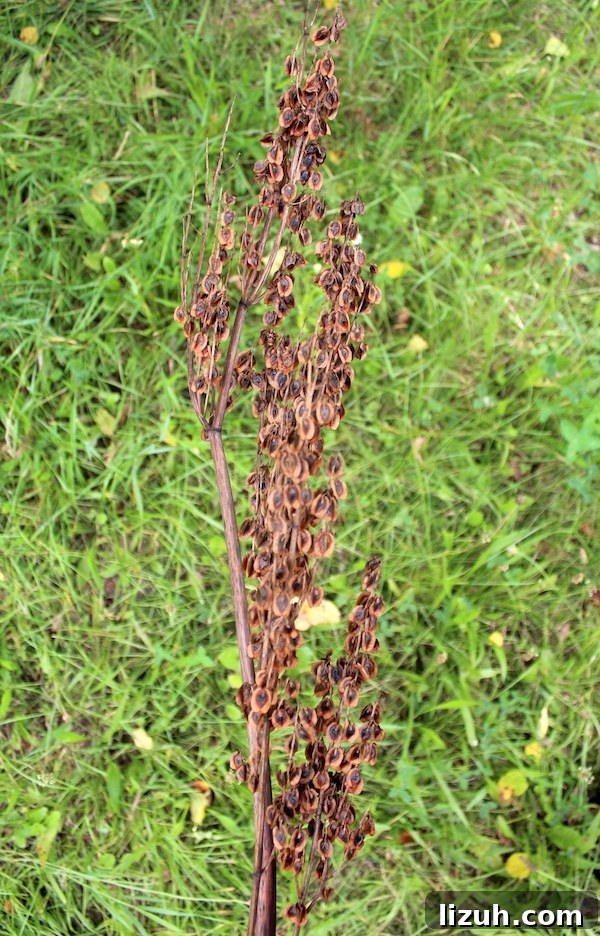
The first step is to collect seed from your best plants or buy a packet. One flowering stalk produces hundreds of seeds, so a single plant may provide seed for many new plants. Many gardeners remove the flower stalks to encourage leaf and stalk production, but leave a few on your best-tasting plants to collect seed.
Flower stalks emerge in early spring and gradually develop clusters of tiny white blossoms. As the season progresses the blooms open in stages and begin forming small green seed heads. By fall the stalks dry down and the papery husks protect the ripened seed. Break off the stalk and strip the seeds into a tray—seeds usually come away easily and in quantity.
Allow the seed to dry thoroughly before storage. The papery husks can hold moisture and lead to mold if packed away damp. Spread the seeds on a tray in a dry spot for a few days, then store them in a cool, dry container until spring.
Growing Rhubarb from Seed
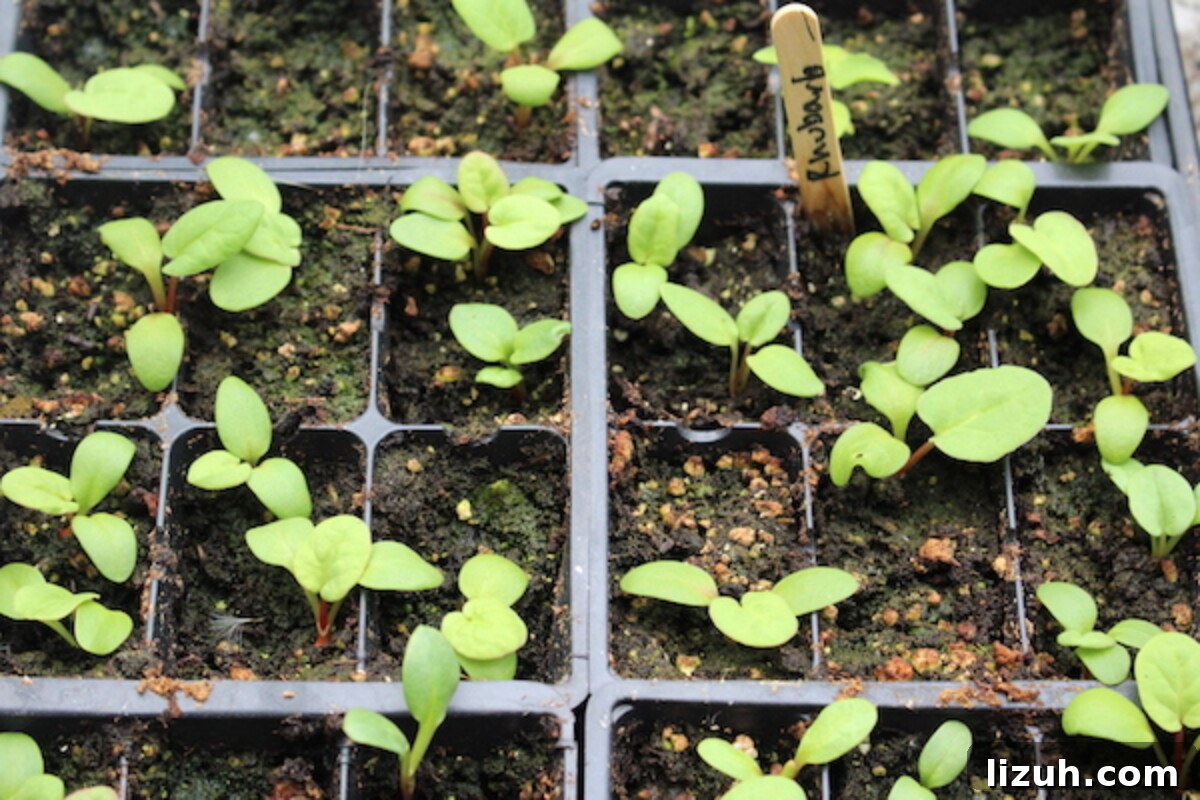
Contrary to what some expect, rhubarb seed generally does not require cold stratification. While mature crowns need a winter dormancy, seeds can be stored at room temperature and started indoors in spring. Sow seeds in pots or seed trays about 8–10 weeks before your last expected frost. Keep the potting mix consistently moist but not waterlogged—excessive wetness can cause root rot and stunt seedlings.
Rhubarb tolerates light frost, so you can transplant seedlings outdoors a little before the final frost date if you harden them off first. Harden seedlings gradually by placing them outdoors during the day and bringing them in at night, then extend outdoor time as they acclimate.
Two weeks before the last frost, plant seedlings in a permanent, well-amended bed. Work plenty of compost and organic matter into the soil, and apply a layer of mulch to suppress weeds and keep the soil cool and moist. In warm climates choose a location that receives shade during the hottest part of the day; rhubarb performs best in cooler sites and is generally hardy in zones 2–6.
Growing Rhubarb as an Annual in Hot Climates
In cold climates, rhubarb is a long-lived perennial that thrives after harsh winters. In very warm regions, however, rhubarb can be grown successfully as a winter annual. In zones 9 and warmer, start seed in late summer to early fall in a cool, bright indoor spot or a shaded outdoor location. Transplant seedlings when they reach about 4 inches tall. Plants started this way can be ready to harvest the following spring (March through May) before summer heat arrives—intense summer temperatures will usually kill them, so plan to harvest or remove plants before hot weather.
Growing rhubarb from seed is economical and flexible. A single flowering stalk yields enough seed to establish many plants, making it easy to expand your beds or share seed with others. With basic seed-saving, careful seed-starting, and proper site selection, you can produce abundant rhubarb for years to come.