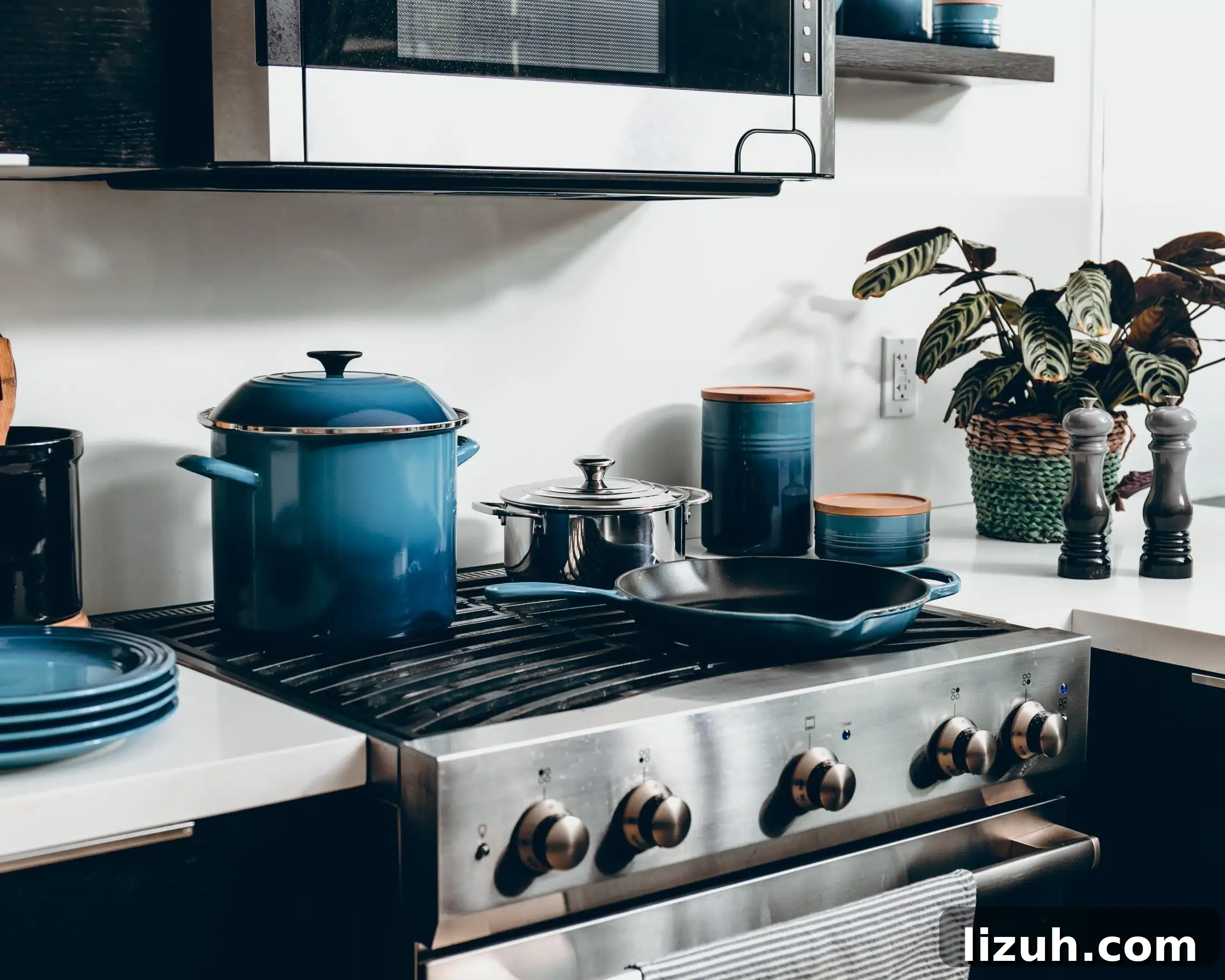
Many common pans are made with aluminum, PTFE, Teflon and other coatings that can leach into food. Older, time-tested materials like cast iron remain excellent choices. Below is a clear, updated guide to choosing the best non-toxic cookware for your kitchen.
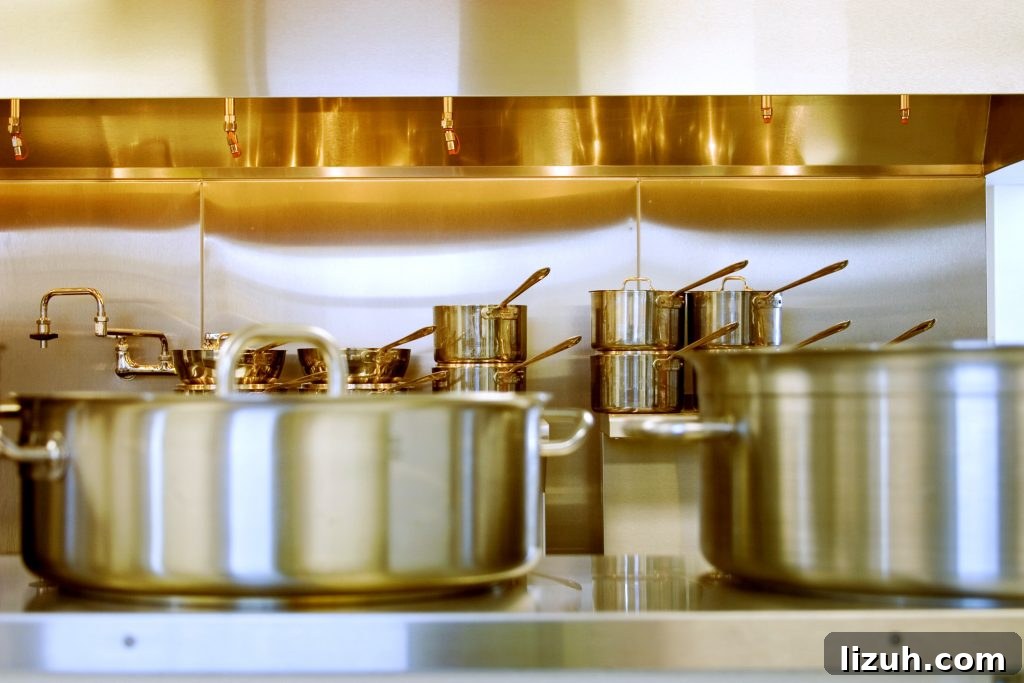
What materials should you avoid when buying cookware?
Before purchasing new pots and pans, it helps to know which materials may pose risks. Non-stick pans are popular for convenience, but concerns remain about some coatings and their potential to release harmful substances into food.
Non-stick coatings can break down over time or at high heat, and some older formulations have been linked to the release of heavy metals or chemicals that interfere with hormones. Opinions differ: manufacturers and some scientists say modern coatings are safer, while others caution that risks persist. Given the uncertainty, many people opt for more durable, low-risk materials.
Are PTFE, PFOA, Teflon and other non-stick coatings harmful?
Non-stick cookware uses a range of coatings. PTFE and Teflon (polytetrafluoroethylene) are among the most common. PFOA (perfluorooctanoic acid) was once used in manufacturing some non-stick coatings and has been the subject of health concerns.
What is Teflon?
Teflon is the brand name for PTFE, a synthetic fluoropolymer made from carbon and fluorine. It creates a slick, heat-resistant surface that prevents food from sticking and makes cleaning easier. Teflon and other fluoropolymer coatings are widely used in cookware and utensils.
Problems arose mainly from the use of PFOA in the manufacturing process of older PTFE coatings. Concerns focused on PFOA’s persistence and its potential to build up in the body with repeated exposure.
What is PFOA?
PFOA was used as a processing aid in the production of some non-stick coatings until manufacturers phased it out. Studies showed that repeated heating and wear could allow residues to migrate from coated surfaces into food. Occasional exposure is unlikely to cause immediate harm, but long-term, repeated exposure raised concerns about hormone disruption and other health effects.
In response, industry changes were made and many manufacturers stopped using PFOA in the early 2010s; international agreements effectively eliminated most PFOA use by 2013. If you own older non-stick pans, especially those more than five years old or with visible wear, consider replacing them.
Is Teflon safe today?
Modern non-stick coatings have evolved, and many are marketed as PFOA-free. But debate continues about long-term safety of fluorinated coatings under heavy use or high temperatures. If you prefer to minimize risk, choose cookware materials that do not rely on fluoropolymer coatings.
How to care for PTFE/Teflon cookware
If you use PTFE-coated cookware, follow these precautions to extend its life and reduce potential exposures:
- Use nonmetal utensils to avoid scratching the surface.
- Do not preheat an empty pan; high heat can accelerate breakdown of the coating.
- Replace pans that show scratches, flaking or cracking.
- Cook in a ventilated area to reduce inhalation of any fumes released at very high temperatures.
- Handwash gently with nonabrasive sponges to protect the coating.
Bottom line: If you want to avoid uncertainty, consider replacing older Teflon or PTFE cookware and favor alternatives such as well-seasoned cast iron, stainless steel, or quality enamel-coated cast iron.
Aluminum
Aluminum is lightweight, inexpensive and common in cookware. Because aluminum is abundant in the environment, we all have some exposure naturally. However, elevated aluminum levels have been associated with neurologic effects in some studies, so some people prefer to limit direct contact between food and uncoated aluminum.
Hard-anodized aluminum or aluminum with a safe coating reduces direct migration of the metal into food. If you prefer to avoid potential risk entirely, choose stainless steel, cast iron, or enamel-coated cookware instead.
Bottom line: The science on plain aluminum cookware isn’t settled for every use case. If you want a cautious approach, opt for safer alternatives.
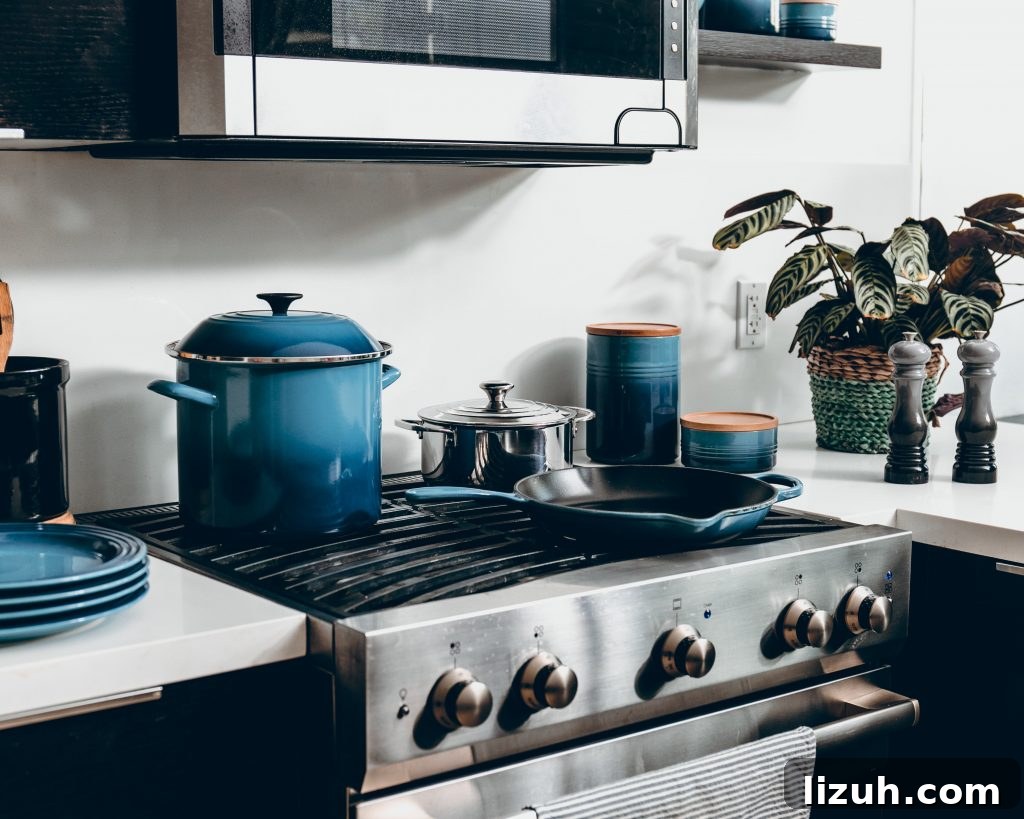
Stay safe with a cast iron skillet
Cast iron is one of the best choices for non-toxic cookware. It’s extremely durable, performs well at high heat, and can be used on the stovetop, in the oven, or over an open flame. Properly seasoned cast iron develops a natural non-stick surface and provides even heat distribution—ideal for searing steaks, frying eggs, or baking.
Best non-toxic cookware recommendations
Best budget all-around pan
- Quality cast iron with excellent heat retention and durability.
- Pre-seasoned for a smooth, naturally non-stick finish that improves with use.
- Heavy-duty construction with an easy-grip handle for comfort and control.
- Oven-safe, stovetop compatible and suitable for outdoor cooking.
Best luxury all-around pan
- Enameled cast iron that won’t react with foods and resists chipping when cared for properly.
- Dual handles for secure transport and oven- and broiler-safe construction.
- Durable, attractive finish and long-lasting performance.
Best budget all-around pot
- Enameled cast iron offers heat retention without rust concerns and is PFAS-free.
- Available in multiple colors and ideal for slow cooking, baking and braising.
- Dishwasher-safe but best cared for by handwashing; oven-safe up to high temperatures.
Best luxury pot
- Excellent heat distribution and retention.
- Durable enamel interior and exterior that resists wear.
- Large handles for easy lifting and a design built to last.
Best ceramic pans
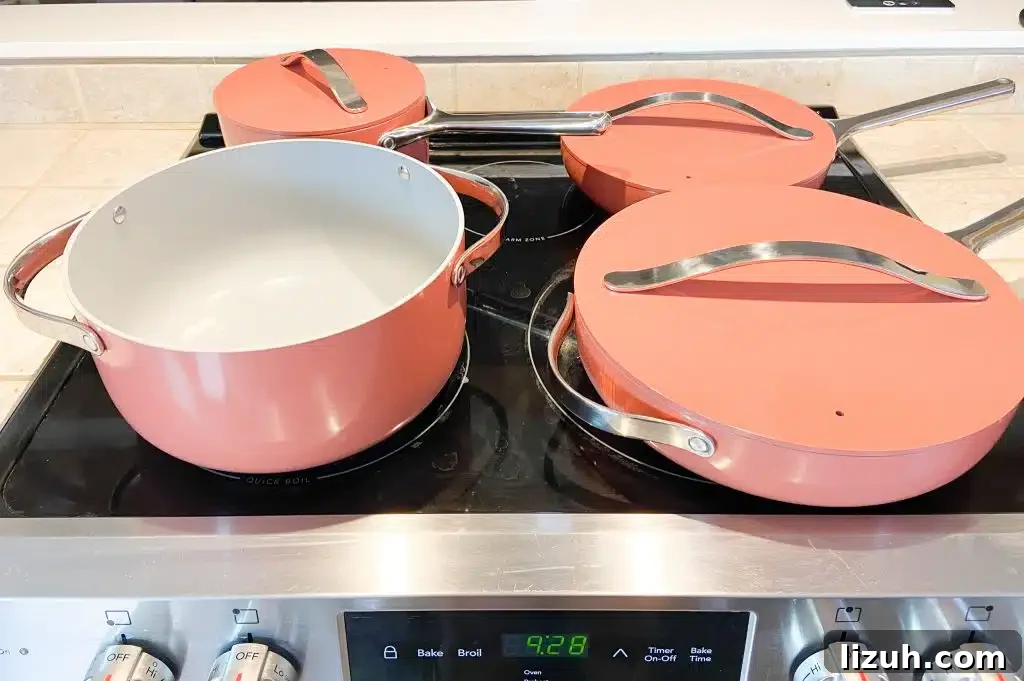
Caraway Home offers a strong option in ceramic-coated cookware for those who prefer non-fluorinated non-stick surfaces. Ceramic coatings can be a good alternative when used within manufacturer temperature guidelines. For more details, consult product reviews and manufacturer care instructions.
Best for baking
| Preview | Product | Rating | Price | |
|---|---|---|---|---|
| Kitchen Supply Stainless Steel Round Cake Pan, 9-Inches | No ratings yet | |||
| Honey-Can-Do 6-Cup Stainless Steel Muffin Pan, Silver | No ratings yet |
If you’re looking to make other healthier home choices, consider reviewing trusted roundups of mattress and juicer options to find items without unwanted materials.
5 Best Mattresses that Do Not Contain Fiberglass
5 Best Juicers for Celery