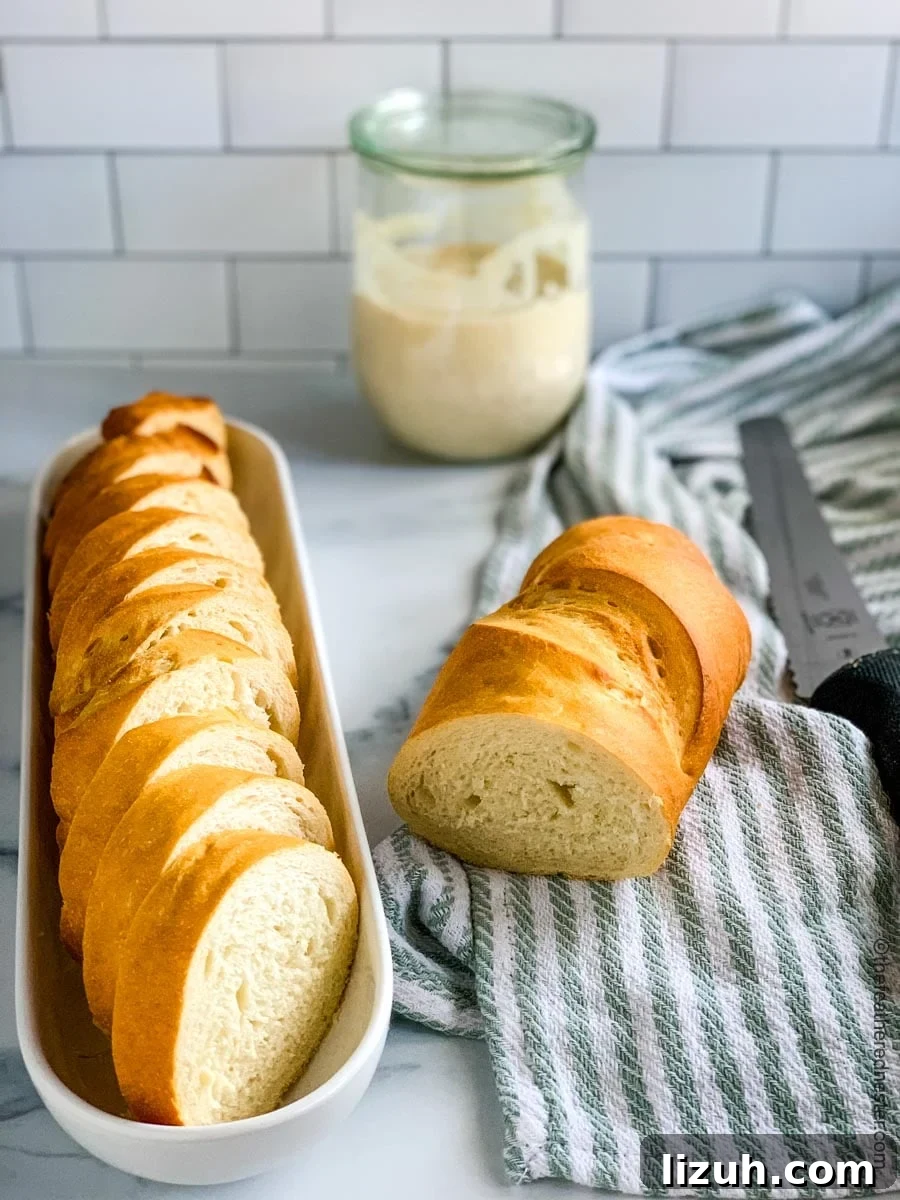
You can make deliciously crusty, light, and flavorful sourdough French bread using your starter and a handful of simple ingredients. This dough is easy to prepare, rests overnight to develop rise and flavor without commercial yeast, then is shaped, scored, and baked to a perfect golden crust. You’ll love how straightforward and rewarding this sourdough French bread recipe is.
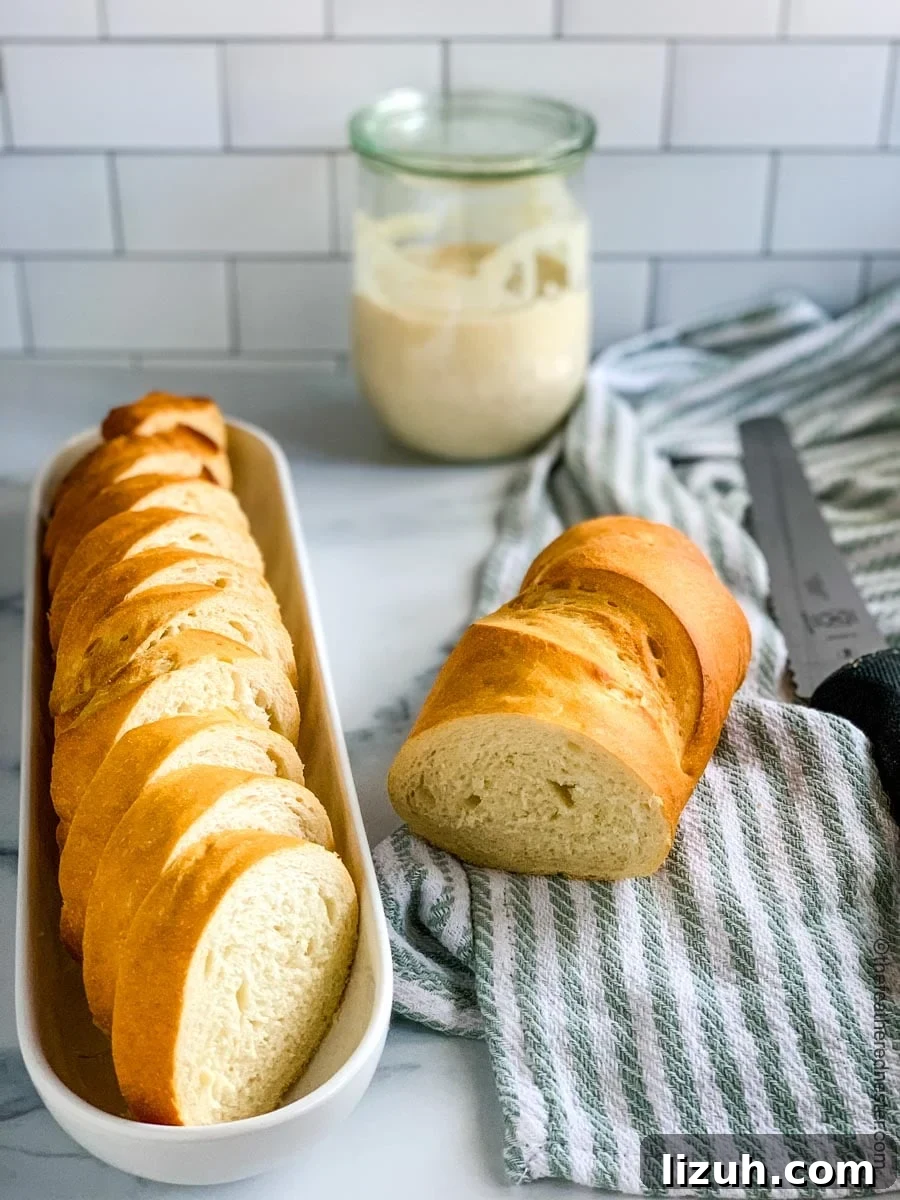
I’ve been baking with sourdough for years and enjoy everything from no-knead loaves to sandwich breads. Sourdough adds a pleasant tang and a great crumb to breads, and this French loaf is a reliable way to use your starter or discard instead of tossing it.
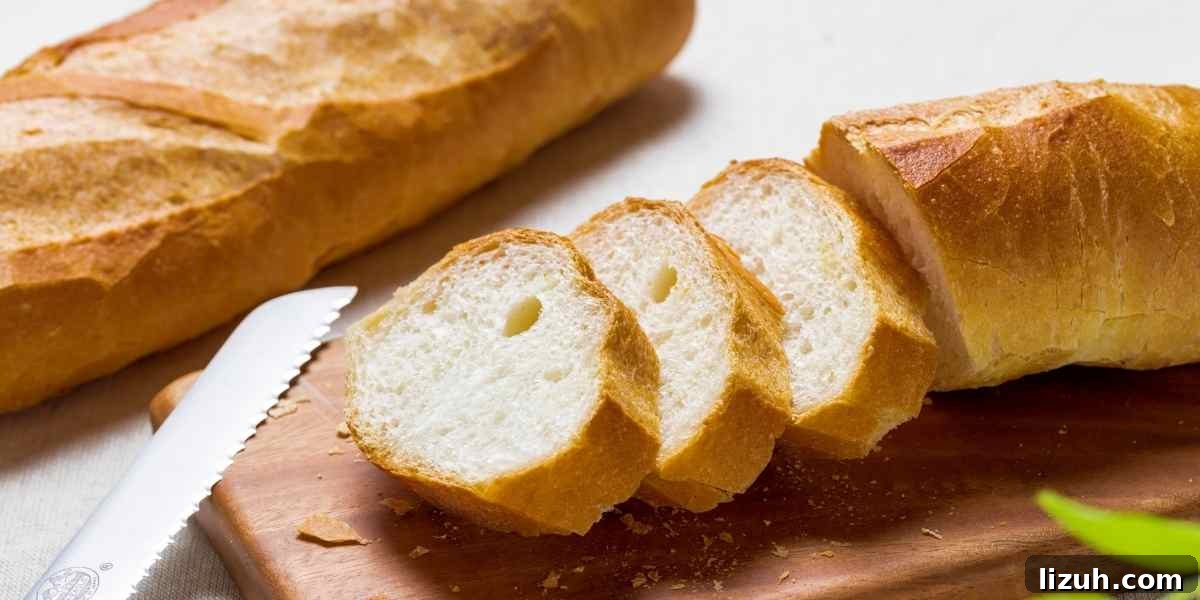
This recipe works well with sourdough discard and makes a baguette-style loaf that is crisp on the outside and tender and airy inside. To succeed, you need two essentials: a healthy starter (fed 12–24 hours before you begin) and a bit of patience for fermentation and proofing.
Sourdough French Bread Video Tutorial
Why We Love This Recipe
- No commercial yeast needed. The starter provides the leavening; combined with flour, water, oil, a little sugar, and salt, it produces a satisfying loaf.
- Light, airy crumb and classic sourdough tang. The texture and flavor make this loaf disappear quickly at the table.
Ingredient Notes and Substitutions
- Active sourdough starter: Feed the starter 12–24 hours before starting the recipe. By active we mean a mature starter that reliably doubles within 4–6 hours of feeding.
- Sugar: A small amount helps the sponge begin fermenting but won’t make the bread noticeably sweet. Substitute 25 grams (about 3½ tsp) of honey if preferred.
- Oil: Olive or vegetable oil adds tenderness to the crumb.
- Flour: Unbleached all-purpose is fine; bread flour can be used as a 1:1 substitute for more structure.
- Salt: Sea salt is recommended; if using kosher salt, increase to about 3 teaspoons (22 g).
🎯 Pro Tip
This is a discard-friendly recipe, but the discard should come from an active starter fed within the last day (if stored on the counter) or within a week if refrigerated. I typically feed my starter 12–24 hours before starting any bread recipes.
How to Make French Sourdough Bread
Assuming you have an active starter ready, feed it 12–24 hours before beginning the dough. The process involves five straightforward steps:
- Mix the dough. Combine starter, water, sugar, oil, and most of the flour to form a thick, sticky sponge.
- Let it rest and ferment overnight. Cover the dough and allow it to rise for several hours until it shows visible fermentation.
- Shape the loaves. Divide, gently degas, shape into loaves or baguettes, place on pans, and cover for a final rise.
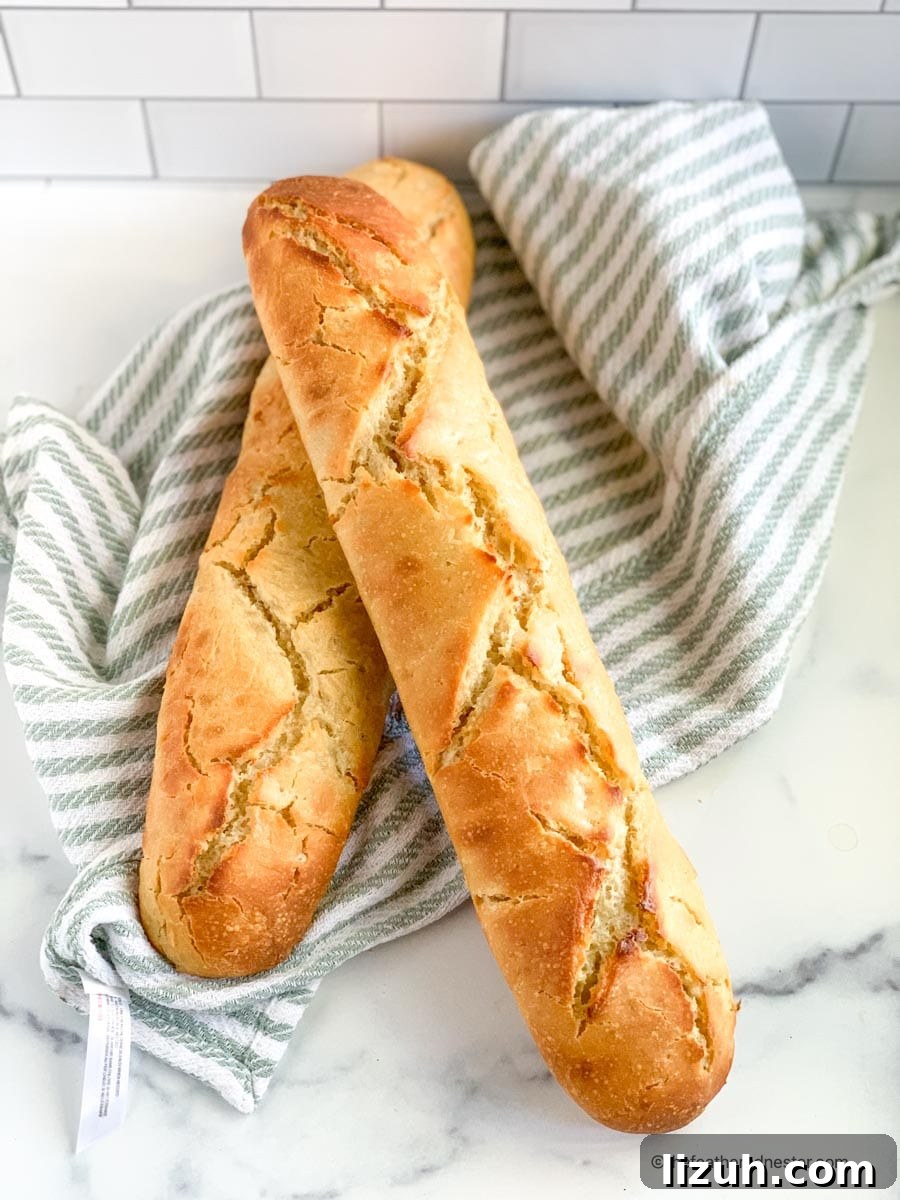
- Score the loaves. Use a very sharp knife or lamé to make quick, shallow diagonal slashes (about 1/4″–1/2″ deep).
- Bake. Bake in a preheated oven at 400°F (205°C) for 25–30 minutes until golden and hollow-sounding when tapped. Cool about 15 minutes before slicing and serving.
Because this recipe relies on natural fermentation rather than commercial yeast, kneading is important to develop gluten and the classic French loaf texture. You can knead by hand or use a stand mixer with a dough hook. The dough should become smooth, elastic, and able to stretch 4–5 inches without tearing (the windowpane test).
Kneading Demonstration
A properly kneaded dough is soft and stretchy and will pass the windowpane test when you can see light through a thin stretch of dough without it tearing.
Tips for Proper Proofing of French Bread
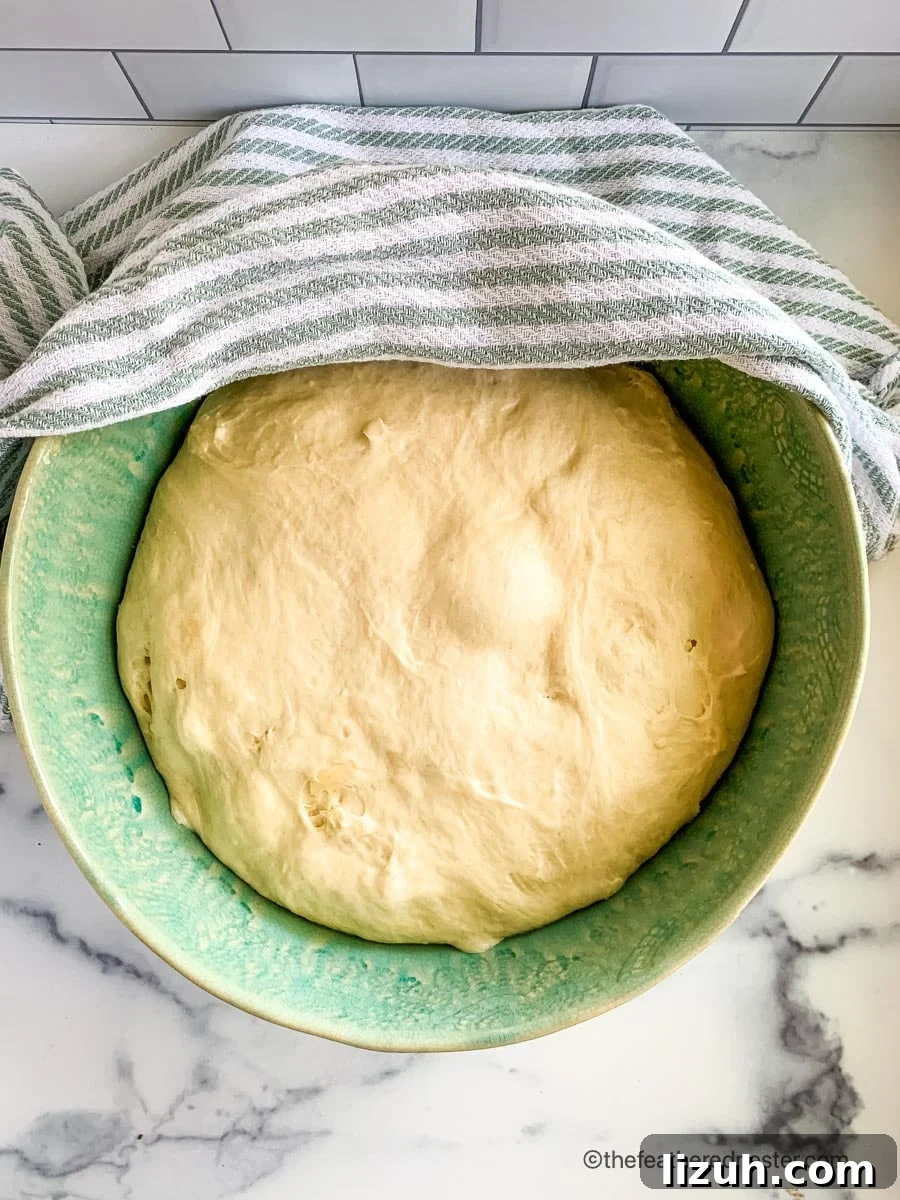
During the overnight fermentation you’ll see the dough gradually rise and show bubbles. Signs that the dough has finished bulk fermentation include:
- Doubled in size. In cooler kitchens this will take longer.
- Visible bubbles. Finger-sized bubbles on the surface and smaller bubbles beneath indicate active fermentation.
- Time and temperature matter. Expect 6–12 hours or more depending on room temperature. Keeping the dough between 75°F and 85°F will speed fermentation.
Signs Your Sourdough Has Finished Proofing
- The dough should be smooth and pliable.
- It should stretch several inches without tearing.
If the dough still feels stiff or tears easily when stretched, it needs more kneading or resting to develop elasticity. Underproofed dough is tight and smooth; properly proofed dough is soft, bubbly, and leaves a finger impression when pressed. Overproofed dough may collapse or spill over the bowl, so monitor times and temperature to avoid that.
🎯 Pro Tip
For clean, consistent scoring use quick, even motions and a very sharp knife or lamé. Make shallow side slashes about 1/4″ to 1/2″ deep to guide oven spring and avoid random cracking.
Recipe FAQs
The dough should be noticeably larger—about doubled—with visible bubbles on or below the surface. It will be soft and hold an indentation when gently pressed.
Yes. Bread flour has higher protein and will give a slightly chewier texture and better structure, but it can be substituted 1:1.
Weighing ingredients is more accurate for baking. If you don’t have a scale, use the cup measurements provided in the recipe card.
Cut into cubes and dry or toast for stuffing, croutons, or use slices for French toast—stale bread is perfect for those uses.
Covering prevents the surface from drying and forming a crust that would inhibit rise. Use plastic wrap or a damp towel to keep the dough moist during fermentation.
More Easy Bread Recipes To Try
- Double Chocolate Sourdough Bread
- Sourdough Bread Bowls
- Whole Wheat Sourdough Sandwich Bread
- Monkey Bread Pizza
If you try this sourdough French bread recipe, please leave a star rating and share how it went in the comments. Enjoy baking!
Sourdough French Bread
Renae Gerhardstein
Ingredients
- 1 cup (250 g) sourdough starter, fed 12–24 hours prior
- 1 1/2 cups (350 g) warm water
- 2 tablespoons (25 g) sugar (or 3½ tsp honey)
- 1/3 cup (70 g) extra virgin olive oil
- 4 cups (500 g) all-purpose flour, divided (or bread flour)
- 2 teaspoons (10 g) fine salt
Instructions
Mixing the sourdough sponge
- Combine starter, water, sugar, oil, and 3 cups (350 g) flour in a bowl or stand mixer. Stir until you have a thick, sticky dough (a sponge). Cover and rest 30 minutes.
- Add salt and gradually mix in the remaining flour 1/2 cup at a time until the dough pulls away from the bowl.
Kneading by hand
- Turn dough onto a floured surface and knead, adding up to 1 cup (150 g) more flour as needed until the dough is no longer sticky. Knead 10 minutes until soft, smooth, and elastic. The dough should stretch 4–5″ without tearing.
Stand mixer kneading
- Use the dough hook at low speed until the dough clears the bowl, then knead 5–7 minutes until soft, smooth, and elastic.
Overnight bulk fermentation
- Place dough in a large greased bowl, turning to coat, and cover with a damp towel or plastic wrap. Let rise at room temperature 4–12 hours depending on warmth (see notes).
Preparing and baking the loaves
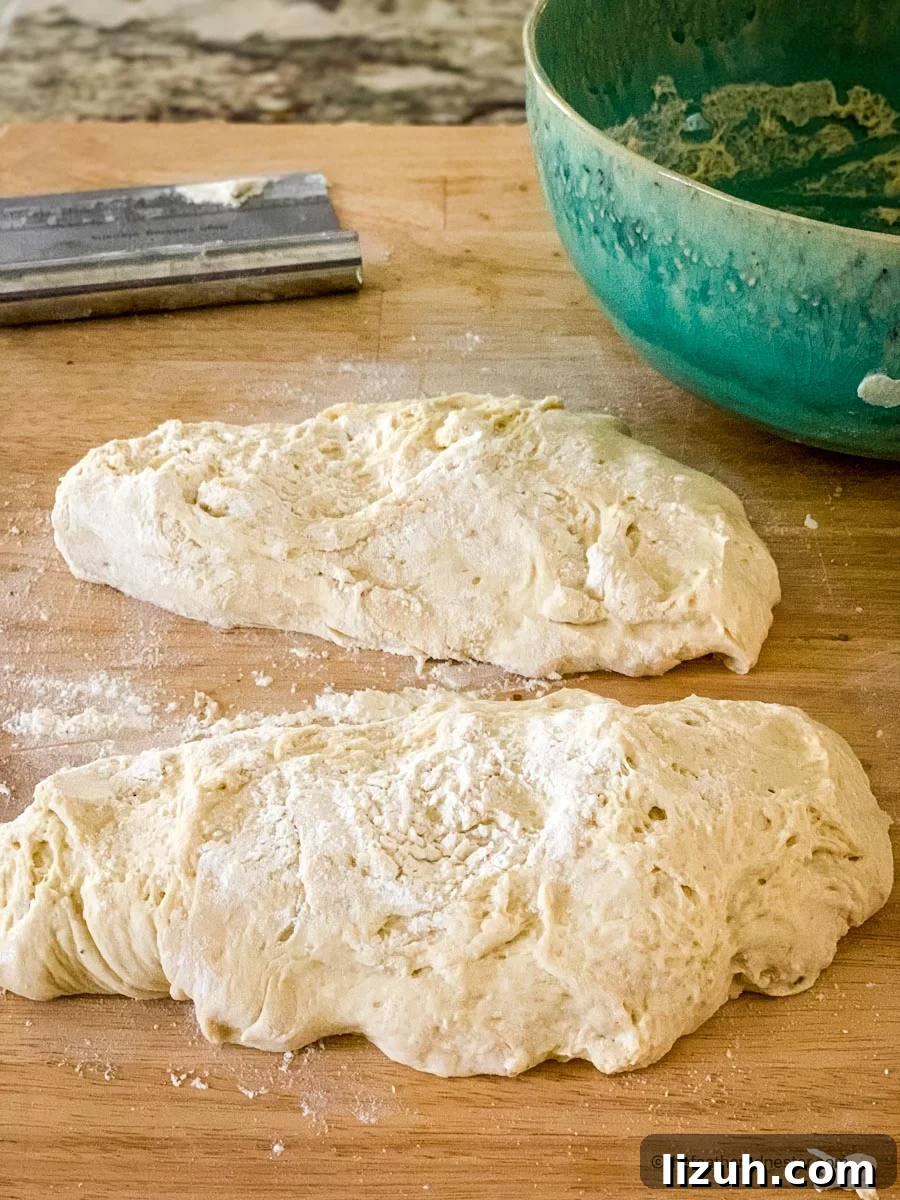
- Divide dough in half. Flatten each half to a roughly 5″ x 7″ rectangle, then roll tightly along the long side and pinch ends to seal.
- Place loaves in greased French bread pans or on a parchment-lined baking sheet. Cover and let rise 1½–2 hours until puffy.
- Preheat oven to 400°F (205°C). Score loaves quickly with 3–4 diagonal slashes about 1/4″–1/2″ deep.
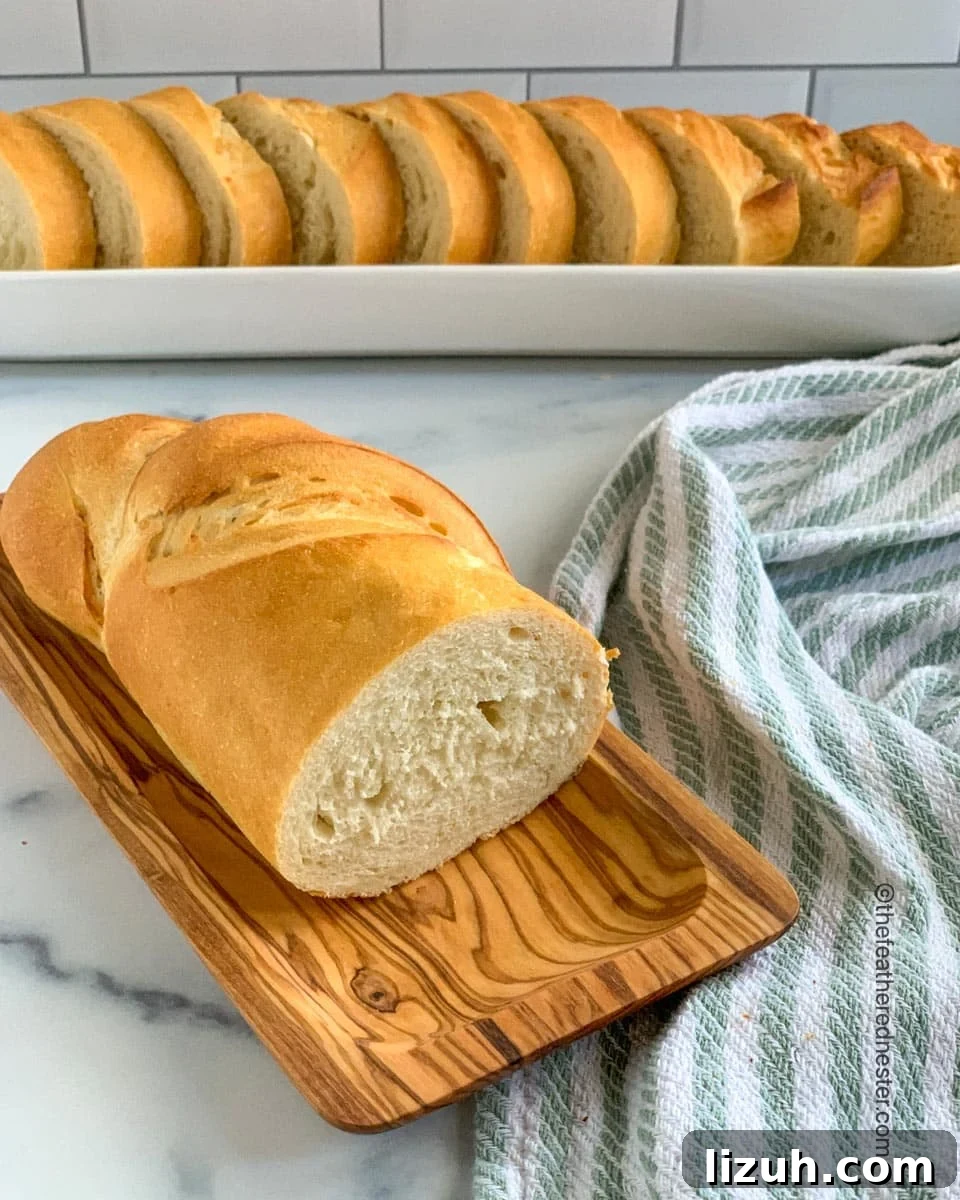
- Bake 25–30 minutes until golden and hollow-sounding when tapped. Cool 15 minutes before slicing.
Notes
Grams: Switch to the metric tab above the ingredient list for gram measurements.
This recipe uses an unfed starter that was fed 12–24 hours before mixing. A 100% hydration starter works best.
Substitutions: Replace sugar with 3½ tsp (25 g) honey if you prefer.
Fermentation visibility: A clear glass bowl helps you see activity on the dough’s top and bottom during bulk fermentation.
Do not refrigerate the dough: This recipe relies on room-temperature fermentation for proper rise.
Bulk fermentation guidelines (approx.):
- 80°F: 4–5 hours
- 75°F: 6–7 hours
- 70°F: 8–9 hours
- Under 70°F: up to 12 hours or more
Keeping dough warm: Place the bowl in an oven with the light on, use a warming mat, use an oven proof setting at low temperature, or keep the dough in a warm sunny room.
Scoring: Use quick, even motions with a lamé or very sharp serrated knife. Make side slashes 1/4″–1/2″ deep to control oven spring.
Doneness: The loaf should be golden and sound hollow when tapped. Internal temperature should reach 195°–200°F.
Storage: Cool completely, store in a plastic bag at room temperature up to 5 days, or freeze in an airtight bag for up to 3 months.