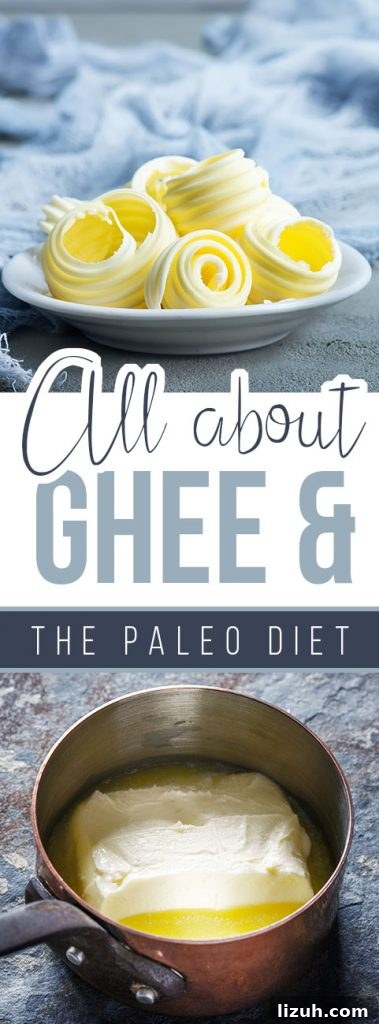
All you need to know about ghee and the Paleo diet is covered below. After reading, you’ll understand:
- What ghee is
- Why to add it to Paleo dishes
- How it relates to the Paleo diet
- How to use it
- Where to buy it
- How to prepare it
Let’s dive in.
WHAT IS GHEE
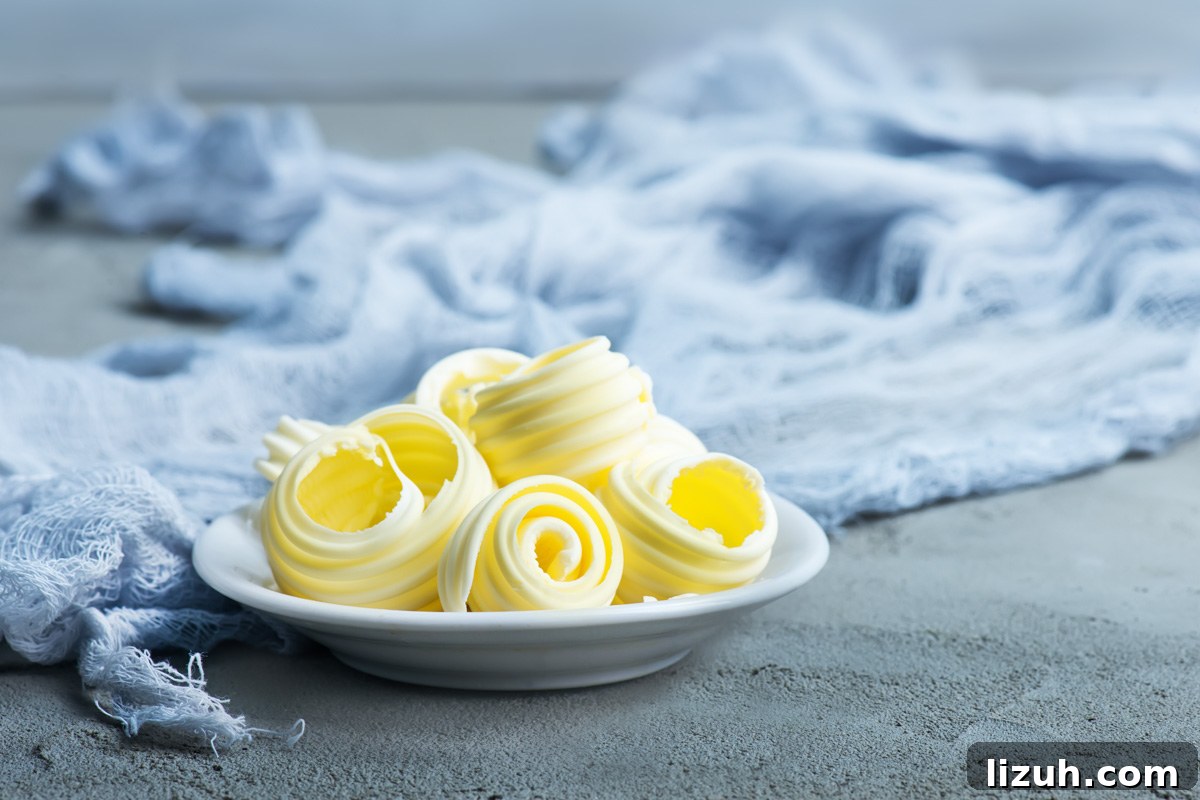
Ghee, also called clarified butter, is a form of butter with the milk solids and water removed. It is lactose- and casein-reduced compared with whole butter and is naturally gluten-free, making it compatible with many Paleo-inspired and primal eating patterns.
Because ghee contains primarily milk fat, it can tolerate higher cooking temperatures than regular butter and offers a rich, nutty flavor that complements many savory dishes. Below are simple methods to prepare ghee at home if you prefer making it rather than buying it.
Why use ghee
Ghee is a suitable alternative for people following a strict Paleo approach who avoid regular butter due to lactose or casein sensitivity. It can be a useful option for those with digestive issues such as leaky gut or certain autoimmune conditions, though individual tolerance varies.
Key benefits
One major advantage of ghee is its high smoke point, which makes it ideal for roasting, frying, and sautéing without burning the milk solids. It adds a buttery, slightly nutty flavor and works well in a wide range of Paleo recipes.
6 REASONS TO ADD GHEE TO YOUR DISHES
Here are six practical reasons to include ghee in your cooking.
Reason #1
Ghee is solid at room temperature and shelf-stable. Properly prepared ghee stores well and does not require refrigeration, making it convenient and long-lasting.
Reason #2
Ghee contains stable fats. Around 60% of ghee is saturated fat, which resists oxidation. It also contains beneficial compounds like conjugated linoleic acid (CLA), found in higher amounts in grass-fed products.
Reason #3
Ghee has a high smoke point—typically around 485°F—so it performs better than butter for high-heat cooking such as frying and searing.
Reason #4
Ghee can be a source of fat-soluble nutrients such as vitamin K2 when made from grass-fed butter. These nutrients support growth, bone health, and nutrient utilization.
Reason #5
Ghee contains little to no milk proteins like casein when properly clarified, which can make it more tolerable for people sensitive to dairy proteins.
Reason #6
Ghee enhances flavor. Its rich, buttery, and slightly nutty taste elevates many dishes without overpowering them.
HOW GHEE RELATES TO THE PALEO DIET
There is debate in the Paleo community about dairy. Strict Paleo guidelines typically exclude dairy, but ghee is often treated differently because the milk solids are removed, leaving mainly fat.
Why ghee can be different
Most allergens in dairy—whey proteins and lactose—are found in the protein and carbohydrate fractions, not in pure fat. Removing milk solids reduces those components, which is why many people with mild lactose intolerance or dairy sensitivity tolerate ghee. However, extremely sensitive individuals or those with autoimmune concerns may still choose to avoid it because trace residues can remain.
Is ghee right for you?
If you’re uncertain, a practical approach is to eliminate all dairy for a period (for example, 30 days) and then reintroduce ghee to monitor your response. This reset can help you determine whether ghee triggers symptoms.
High-quality ghee made from pastured or grass-fed butter provides better nutrient density and flavor. Whether to include it long term depends on your individual tolerance and health goals.
GHEE AND PALEO RECIPES
If ghee agrees with you, use it in place of other cooking fats in your favorite Paleo recipes. It works well for sautéing vegetables, frying meats, finishing roasted dishes, and adding richness to sauces. If you react to ghee, consider alternatives such as coconut oil, tallow, or lard.
Ghee can add variety and depth to a gluten-free, primal lifestyle when tolerated.
BUYING GHEE
You can buy ghee from specialty stores or online retailers. When shopping, choose unsalted ghee made from grass-fed or pasture-raised butter whenever possible. Grass-fed sources tend to have higher concentrations of beneficial nutrients and a richer color from naturally occurring carotenes.
PREPARING GHEE
Below are two straightforward methods to make clarified butter at home.
Method #1: Slow-melt clarifying
What you need:
- 1 pound of butter
- Heavy-bottomed pot (Dutch oven)
- Large stainless spoon
- Slotted spoon for skimming
- Mesh strainer
- Cheesecloth or paper towel
- Clean jar for storage
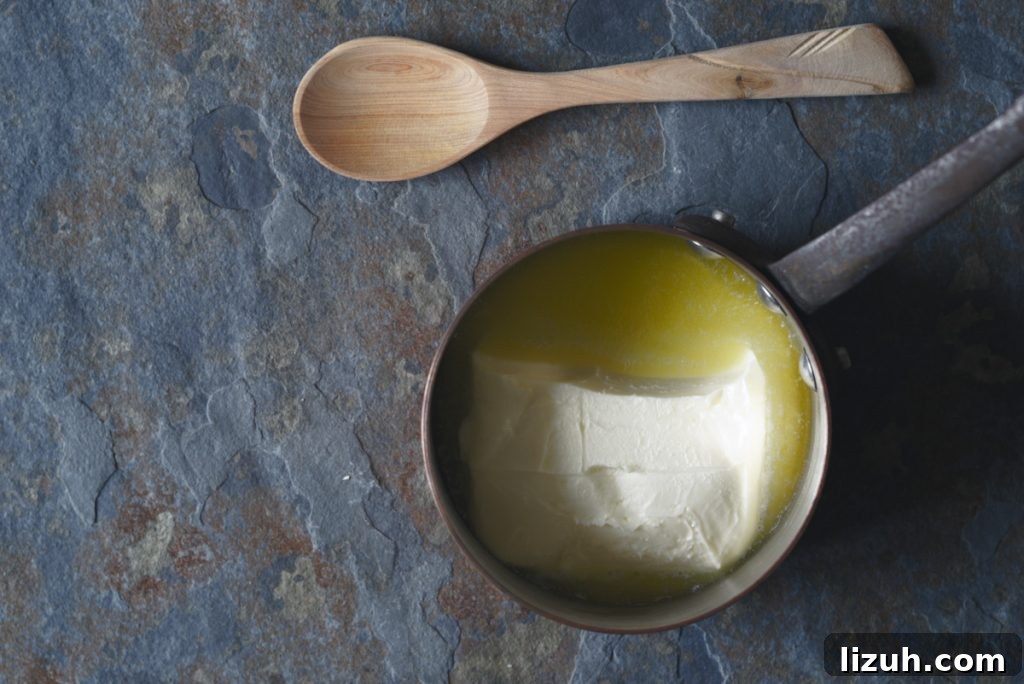
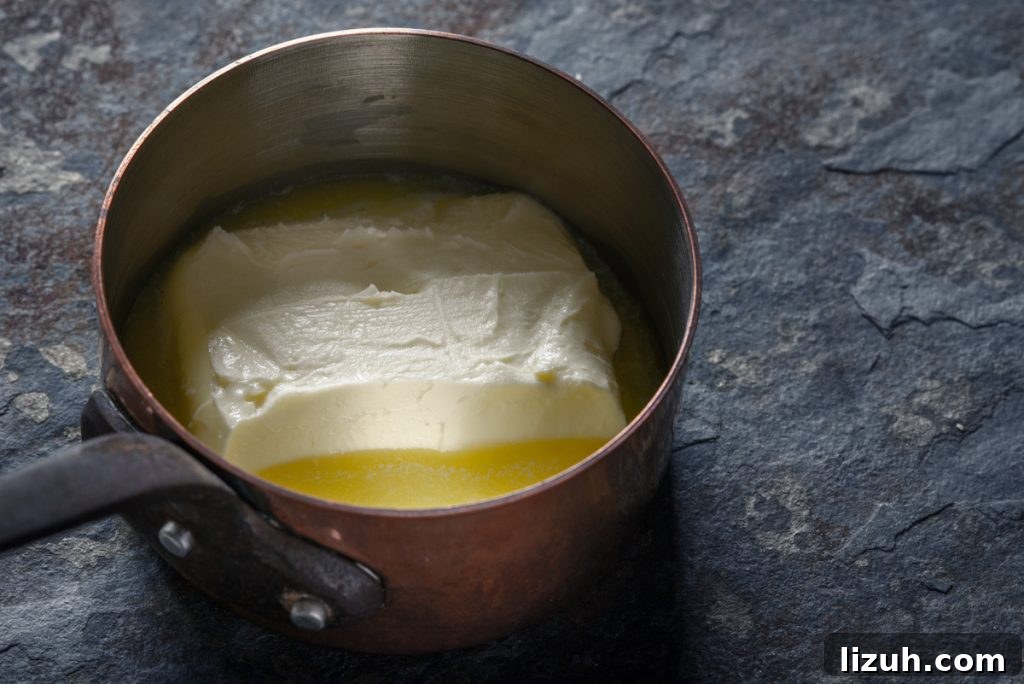
Gently melt butter over low heat without stirring. When melted, skim the froth from the surface with a slotted spoon. Line a mesh strainer with cheesecloth over a jar and slowly pour the melted butter through it. Allow separation to occur; then carefully decant the clear fat, leaving behind any water and solids.
Method #2: Boil-and-skim clarifying
What you need: same as above.
Use medium-high heat to melt the butter and stir occasionally to prevent solids from sticking. Skim the foam as it forms. Let the butter simmer; continue until bubbling stops and the water has evaporated. At that point the remaining golden fat is your ghee. Strain through cheesecloth into a jar to remove any remaining solids.
Store ghee in a cool, dark place; properly prepared ghee will keep for months without refrigeration.
PIN ME