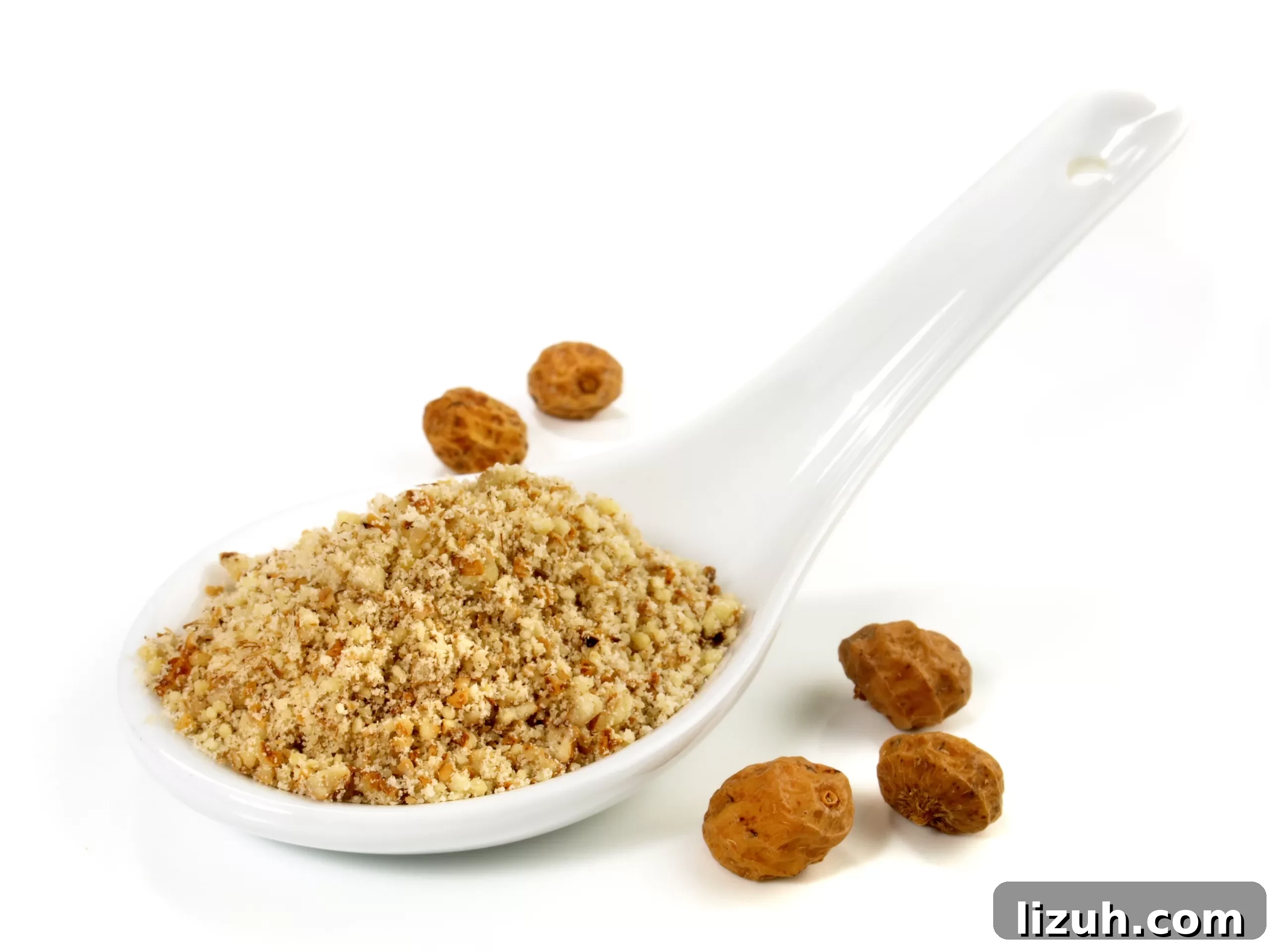
Have you recently discovered tigernut flour and are wondering, “When does tigernut flour go bad?” You’re in the right place.
Quick answer: Unopened tigernut flour in its original packaging typically lasts 12–24 months. Once opened, use it within a few weeks at room temperature, or extend storage by refrigerating or freezing it.
This article explains shelf life, storage tips, signs of spoilage, and how to handle tigernut flour so it stays fresh and safe to use.
What is the shelf life of tigernut flour?
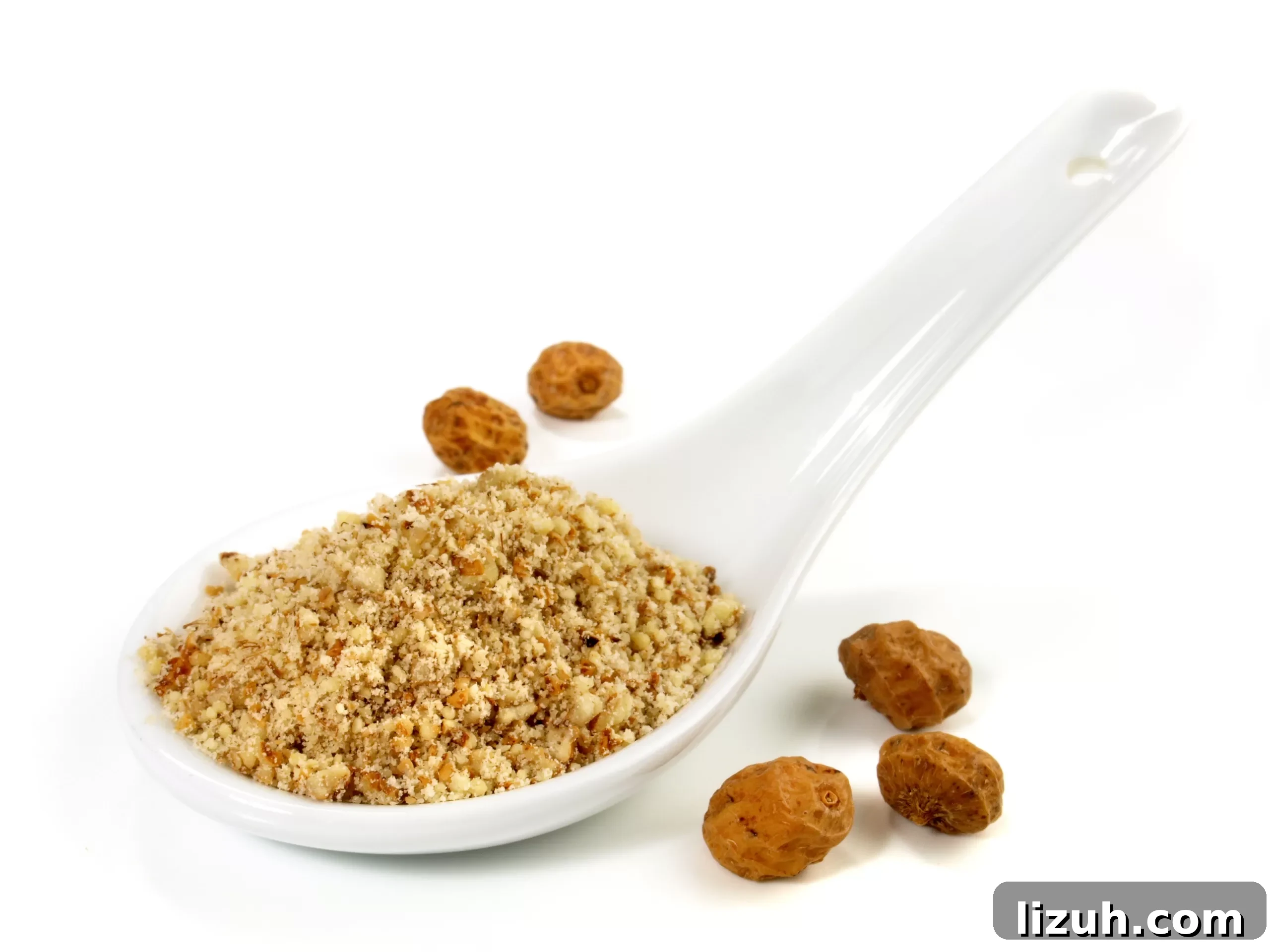
Tigernut flour is made from ground tigernuts (tubers) and contains natural fats that can oxidize over time. When stored properly in a cool, dry place away from sunlight and moisture, unopened tigernut flour can remain good for 12 to 24 months depending on the brand and processing. Always check the manufacturer’s label for specific dates and recommendations.
How long does tigernut flour last after opening?
After opening, tigernut flour loses freshness faster than many traditional flours. At room temperature, opened tigernut flour is best used within a few weeks. To extend its useful life, store it in the refrigerator or freezer in an airtight container or vacuum-sealed bag. Refrigerated flour can stay good for 1–2 months, while frozen flour can last around 3 months without a noticeable loss of quality.
Basic guideline summary:
| Pantry | Fridge | Freezer | |
| Sealed tigernut flour | 12–24 months | Not necessary | Not necessary |
| Open tigernut flour | ~3 weeks | 1–2 months | ~3 months |
Can you use tigernut flour after its expiration date?
“Best by” or “use by” dates are mostly quality indicators rather than absolute safety cutoffs. If the flour is only slightly past its date and has been stored properly, it may still be usable. However, if it shows any signs of spoilage—off odor, odd taste, mold, clumping, or pests—discard it. When in doubt, throw it out to avoid ruined recipes or potential digestive upset.
How to tell if tigernut flour has gone bad
Check for these clear signs of spoilage:
- Off odor: Fresh tigernut flour smells mild and nutty. A rancid, sour, or musty smell means it’s past its prime.
- Texture changes: Fresh flour is fine and powdery. Clumps, dampness, or an unusual texture indicate moisture contamination or spoilage.
- Unpleasant taste: If it tastes bitter, sour, or otherwise off, do not use it.
- Visible mold: Any mold growth is a reason to discard the flour immediately.
- Pest infestation: Insects such as weevils or beetles mean the product should be thrown away.
What’s the danger in using tigernut flour after it’s gone bad?
Using spoiled tigernut flour can cause digestive discomfort and will negatively affect the flavor and texture of your recipes. Rancid fats create off-flavors, and mold can pose health risks. Additionally, aged flour may lose nutritional value, so it’s generally better to use fresh flour for both safety and quality.
Best storage practices for tigernut flour
Follow these steps to keep tigernut flour fresh as long as possible:
- Transfer flour to an airtight container after opening to block moisture and air.
- Store the container in a cool, dark, and dry place away from heat and direct sunlight.
- Label the container with the purchase or opening date to track freshness.
- Consider vacuum sealing for longer-term storage.
- For extended storage, freeze in an airtight bag or container. Thaw to room temperature before use to avoid condensation.
- Use a dry, clean spoon when scooping to avoid introducing moisture or contaminants.
- Keep storage areas clean and pest-free to prevent infestations.
FAQs
Yes. Like other flours, tigernut flour has a shelf life and will eventually go bad if not stored properly.
Stored in a cool, dry place in an airtight container, tiger nut powder can last roughly 6–12 months, depending on processing and packaging.
Yes. The natural fats in tiger nuts can oxidize and become rancid over time, producing off-flavors.
Keep it sealed in an airtight container or its original packaging, store in a cool, dry, dark place, and refrigerate or freeze for longer storage when needed.