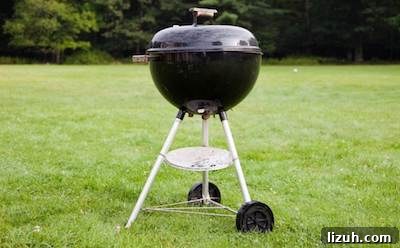
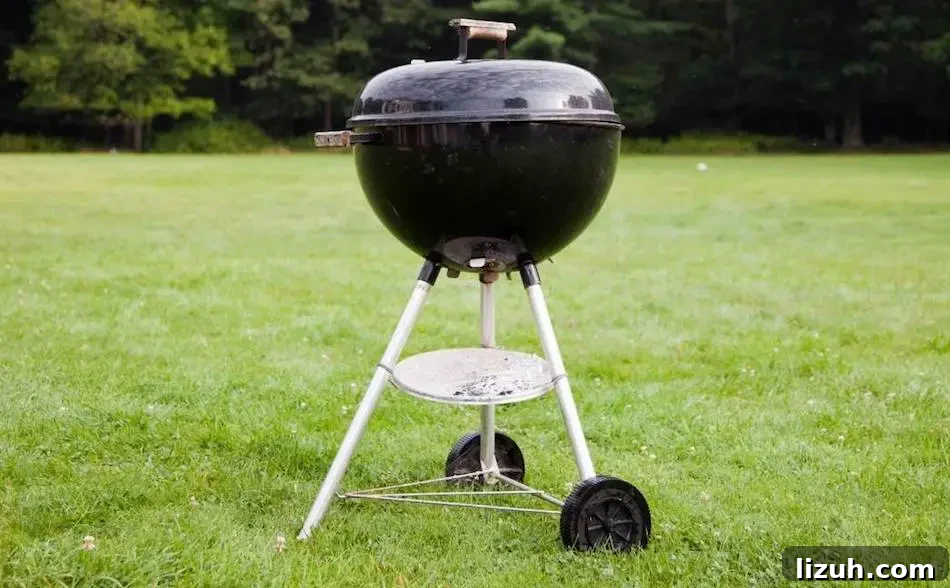
Smoking on a kettle grill is an accessible way to add deep, smoky flavor to your meats. Kettle grills—charcoal grills with a tight-fitting lid—work well for smoking because they can hold stable temperatures and contain smoke. With a bit of planning, the right accessories and a reliable thermometer, you can convert a kettle grill into an effective smoker and produce tender, flavorful results for family and friends.
To smoke on a kettle grill you’ll set it up for indirect cooking: create a hot side with coals and a cool side where the meat will rest out of direct heat. Light a chimney starter of charcoal and wait until the coals are ashed over, then pour them to one side of the grill. Add wood chips or chunks to the hot coals for smoke. Place the meat on the cool side, cover with the lid, and keep the lid closed as much as possible to trap smoke and stabilize temperature. Use a thermometer to monitor the grill, and adjust vents to hold the cooking range—generally 225–250°F for low-and-slow smoking. Cook times vary by cut and size; some cooks last only a few hours, others a full day.
How To Setup a Kettle Grill for Smoking
Follow these steps to prepare your kettle grill for indirect smoking:
- Fill a chimney starter with charcoal and light it.
- Wait until the coals are ashed over.
- Pour the hot coals on one side of the grill, leaving the opposite side empty for indirect cooking.
- Soak wood chips in water for 30–60 minutes, then add them to the coals or use wood chunks for longer smoke.
- Place the meat on the cool side away from coals and wood.
- Close the lid to trap smoke and maintain temperature.
- Use a reliable thermometer to monitor the chamber and meat; target 225–250°F for most low-and-slow cooks.
- Adjust vents gradually to stabilise temperature, allowing 10 minutes between changes.
- Smoke until the meat reaches the recommended internal temperature for that cut.
The Snake Method
The Snake Method arranges briquettes in a crescent or “snake” around the kettle’s edge, two or three briquettes deep. Light only one end of the snake so it burns slowly along the line, providing steady heat for many hours—ideal for large cuts like brisket and pork butt. Scatter wood chunks along the snake so smoke begins early in the cook. Place the meat in the middle of the snake to avoid direct flame. For long cooks you can wrap meat in foil or butcher paper during the later stages to prevent drying.
The Minion Method
The Minion Method concentrates unlit briquettes across the bottom of the kettle and places a small cluster of lit coals among them. The lit coals slowly ignite the surrounding unlit briquettes, delivering steady heat for extended periods. Add wood chunks over the coals for consistent smoke throughout the cook.
Control the Vents
Vents control airflow and therefore temperature. Before making adjustments, let the grill reach a steady temperature. Typical smoking temps are 225–250°F for most meats; poultry benefits from higher “hot and fast” temperatures around 300°F for crisper skin. Open both vents fully to bring the kettle up to temperature, then reduce them—often to about 1/4 open—to hold the target range. Make only one vent change at a time and wait 10 minutes to see its effect. Keep the top vent at least partially open so smoke can exit; too little exhaust can make smoke taste bitter.
Vent Settings
A common approach is to start vents halfway open for cooks in the 275–350°F range; then fine-tune with the top vent and use the bottom vent for larger adjustments. As coals burn down near the end of a long cook, opening the bottom vent fully is a sign you may need to add coals to maintain heat.
| Temperature | Meat | Lit Coal | Unlit Charcoal | Start Up | Total Cook Time | Top Vent Settings | Bottom Vent Settings |
|---|---|---|---|---|---|---|---|
| 225-250°F | Brisket | 5 | 100 | 20-30 minutes | 5-6 hours | 1/8 – 1/4 open | 1/8 – 1/4 open |
| 225-250°F | Pork Butt | 5 | 130 | 20-30 minutes | 10-12 hours | 1/8 – 1/4 open | 1/8 – 1/4 open |
Pros and Cons of Kettle Grills
Pros:
- Versatile: suitable for both grilling and smoking.
- Affordable and widely available.
- Relatively simple to set up for indirect cooking.
- Can reach high temperatures for searing.
- Tight-fitting lid helps trap smoke for flavorful cooks.
Cons:
- Less durable than some heavier smokers; potential for rust over time.
- Temperature control can be more challenging than with dedicated smokers.
- Smaller cooking area limits capacity for large gatherings.
- Less fuel-efficient; may require more charcoal for long cooks.
- Built-in thermometers can be unreliable; an external thermometer is often needed.
Use a Wireless Thermometer
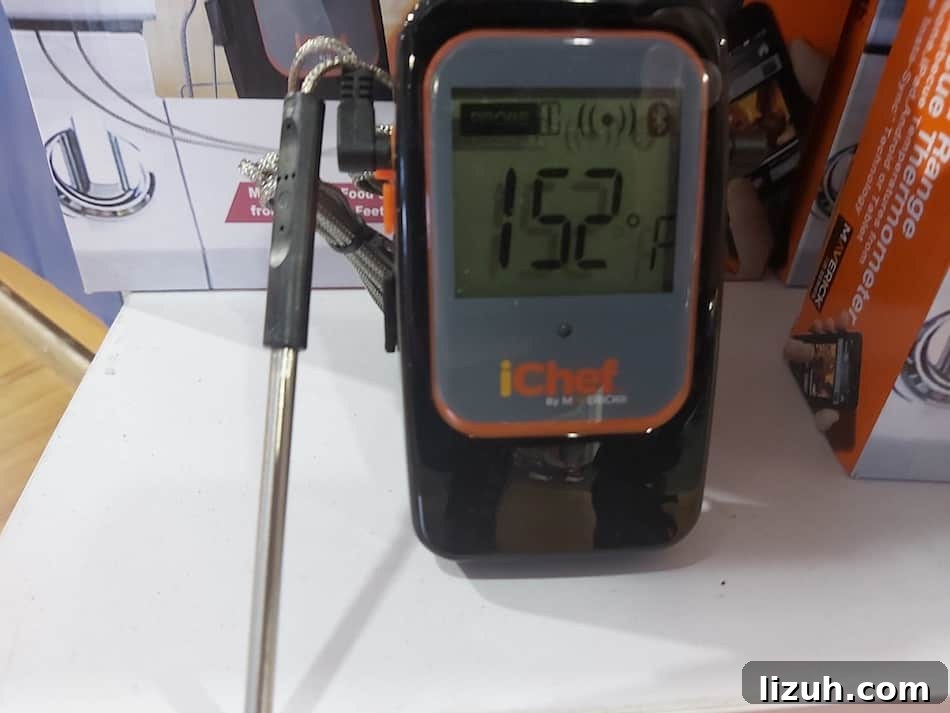
A wireless dual-probe thermometer is invaluable: monitor both the grill chamber and the meat without opening the lid. Avoid checking the meat frequently—the extra oxygen and heat loss from opening the lid disrupt the cook and extend smoking time. Leave probes in place and use remote monitoring whenever possible.
Cook to Internal Temperature
Smoking is temperature-driven, not time-driven. Use a probe to cook to the safe and desired internal temperature rather than relying on hours per pound. Large roasts such as brisket and pork butt are usually finished in the 195–205°F range for tenderness. An instant-read thermometer helps check multiple areas to confirm doneness before resting and slicing.
Smoking in Wintry Conditions
Cold, wind and snow make temperature control harder. Shield the grill from wind or use a windbreak. In very cold weather a welding blanket can help insulate the kettle, though you’ll burn more fuel and should monitor temperatures closely.
Limited Cooking Capacity
Kettle grills are compact and best for small to medium cooks. If you plan to smoke multiple large cuts simultaneously, a larger dedicated smoker may be a better choice. That said, creative setups—charcoal baskets, drip pans and two-zone arrangements—can extend a kettle’s versatility and allow cooking different items at different temperatures.
Charcoal Baskets
Charcoal baskets help shape and contain fuel for more consistent heat distribution. Made from stainless steel or heavy-duty wire, they pair with kettle vents to improve control. Popular options include baskets designed for slow-and-low cooking and accessories that make managing coals easier.
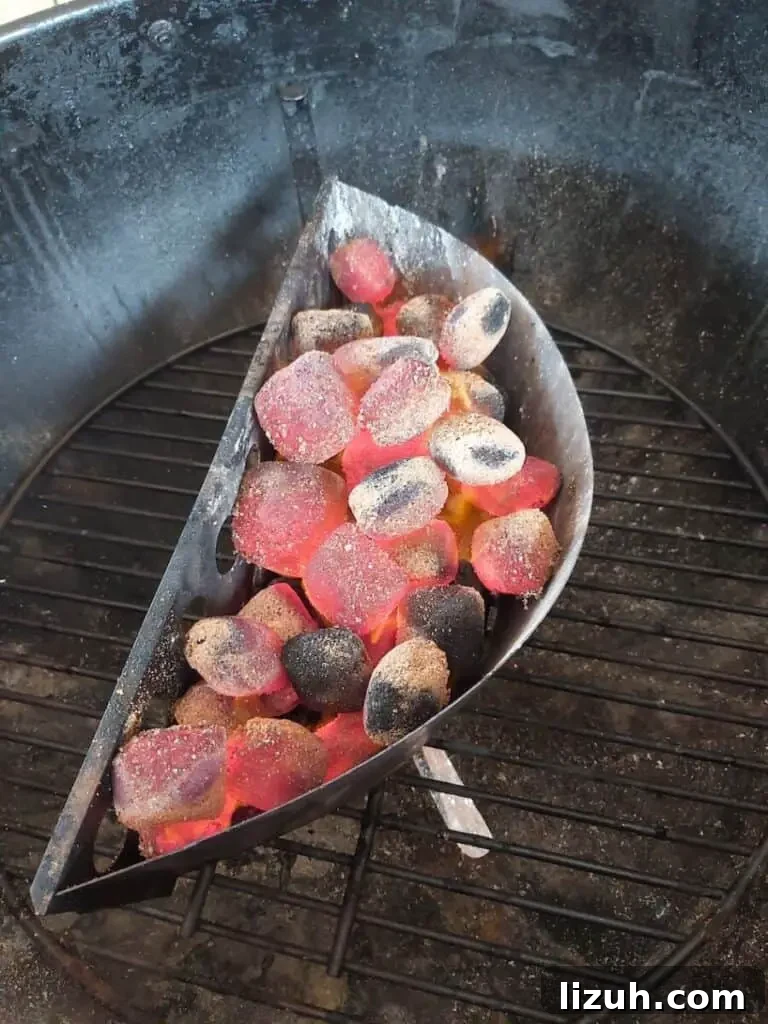
Slow ‘N Sear Accessory
The Slow ‘N Sear is a stainless-steel charcoal basket with a water reservoir that provides steam and helps regulate heat for several hours. It creates two cooking zones—a hot zone for searing and a cool zone for smoking, roasting and baking—making the kettle more flexible for multi-style cooking.
How to Use a Slow ‘N Sear
- Place the Slow ‘N Sear to one side beneath the cooking grate.
- Light 10–15 briquettes and place them to one side of the basket.
- Add unlit charcoal on the other side of the Slow ‘N Sear.
- Put a couple of wood chunks on the coals for smoke.
- Fill the water reservoir, then close the lid.
- Open the top vent fully and set the bottom vent about half open to start.
- Allow 20 minutes for the kettle to stabilise, then adjust vents as needed to reach 220–230°F.
- When clean smoke appears and temperature is steady, add the meat.
The Vortex Accessory
The Vortex is a stainless-steel cone that creates direct and indirect zones by holding charcoal in different ways. It can be used in multiple orientations and sizes to experiment with heat patterns. It’s a flexible accessory for those who like to tinker with charcoal setups.
Get a Charcoal Chimney
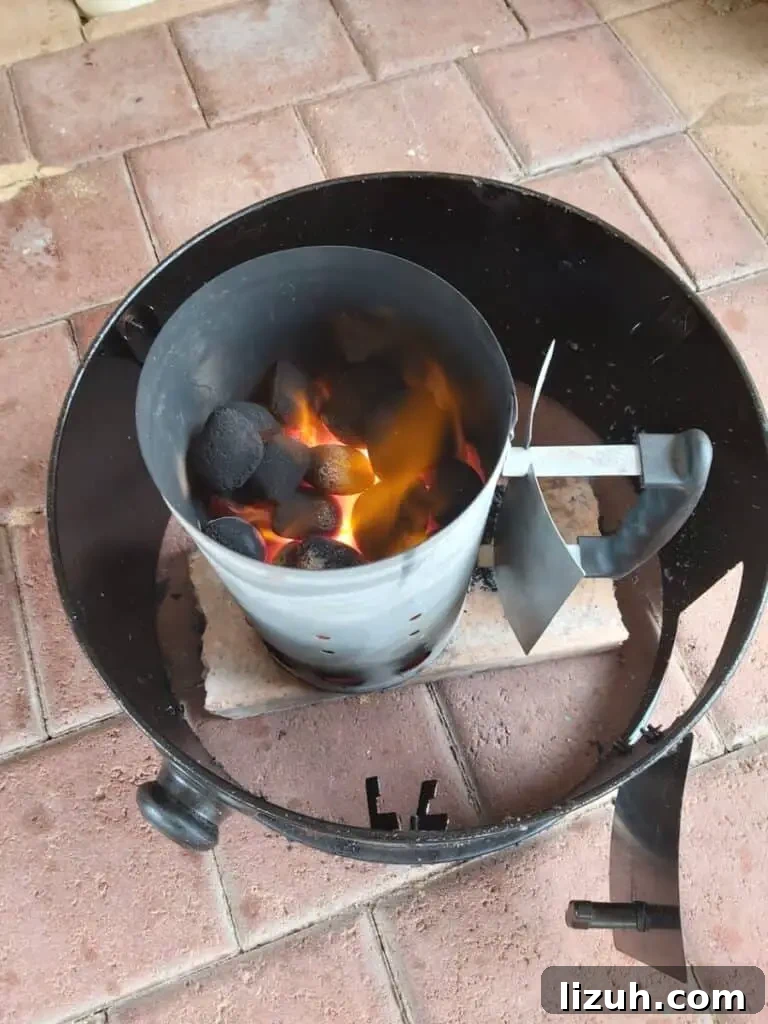
A chimney starter is essential for efficient, chemical-free lighting. It’s a metal tube that lets air flow through and brings a load of briquettes up to cooking temperature in 20–30 minutes. Use newspaper or a firelighter beneath the chimney, and avoid lighter fluid to prevent off-flavors. Chimneys also serve as a convenient measuring tool to gauge how much fuel you’re using for a cook.
What are the Best Charcoal Briquettes?
Independent tests of common briquette brands often measure smoke clarity, flame activity, burn speed and longevity. Results vary by test, but one brand in those comparisons tended to burn cleaner, faster and longer than the others. Choose a briquette that performs consistently for long cooks and produces a clean smoke. Hardwood lump charcoal is another good option if you prefer minimal additives and faster heat response.
How to Smoke a Brisket on a Weber Kettle
| Steps | Description |
|---|---|
| 1 | Trim fat cap to about 1/4 inch to protect and baste the meat during the cook. |
| 2 | Apply a binder such as mustard, oil or Worcestershire to help the rub adhere. |
| 3 | Apply a rub of salt, pepper and spices to develop flavor and bark. |
| 4 | Set the kettle to 225–250°F using the snake method and add 2–3 wood chunks. |
| 5 | Cook 4–5 hours before spritzing or mopping to add moisture and flavor as needed. |
| 6 | Cook until a crispy bark forms and internal temp approaches ~160°F. |
| 7 | Wrap in foil or butcher paper to retain moisture for the stall period. |
| 8 | Continue cooking until internal temp reaches 195–205°F or the meat is tender. |
| 9 | Rest the brisket for at least 30 minutes to let juices redistribute. |
| 10 | Slice against the grain and serve. |
Barbecue Rubs
A good rub elevates smoked meat. Here’s a versatile rub you can use on many cuts:
Standard Barbecue Rub
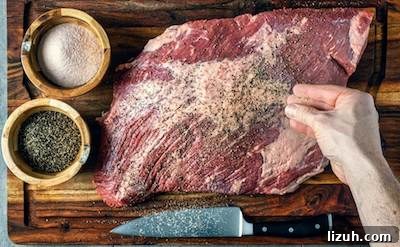
This is a flexible rub adapted from common barbecue recipes—adjust quantities to taste for different meats.
10 minutes
10 minutes
Ingredients
- – ½ Cup Paprika
- – ½ Cup Salt
- – ½ Cup Sugar
- – ½ Cup Granulated Garlic
- – ¼ Cup Granulated Onion
- – ¼ Cup Chili Powder
- – ¼ Cup Cumin
- – 2 Tablespoons Black Pepper
- – 2 Tablespoons Dry Mustard
- – 1 Tablespoon Cayenne Pepper
Instructions
- Combine all spices in a large bowl.
- Store the rub in airtight shakers or jars.
Favorite Tools
Key tools that make smoking easier include a reliable dual-probe thermometer, an instant-read thermometer for spot checks, a chimney starter for consistent coal lighting, butcher paper for wrapping brisket, and optional advanced controllers for automated temperature management. Choose tools that match your budget and cooking goals; simple, robust gear often serves home smokers best.
Investing in a good thermometer and a chimney starter offers the biggest improvements in control and consistency for kettle-smoke sessions.
Related Articles:
How to Smoke Ribs on a Kettle Grill (Pro Tips Using The 3-2-1 Method)
How to Smoke Bacon on a Weber Kettle
Pork Butt on a Weber Kettle
Hot And Fast Brisket on a Weber Kettle
How To Smoke Brisket on a Weber Kettle – 15 Steps