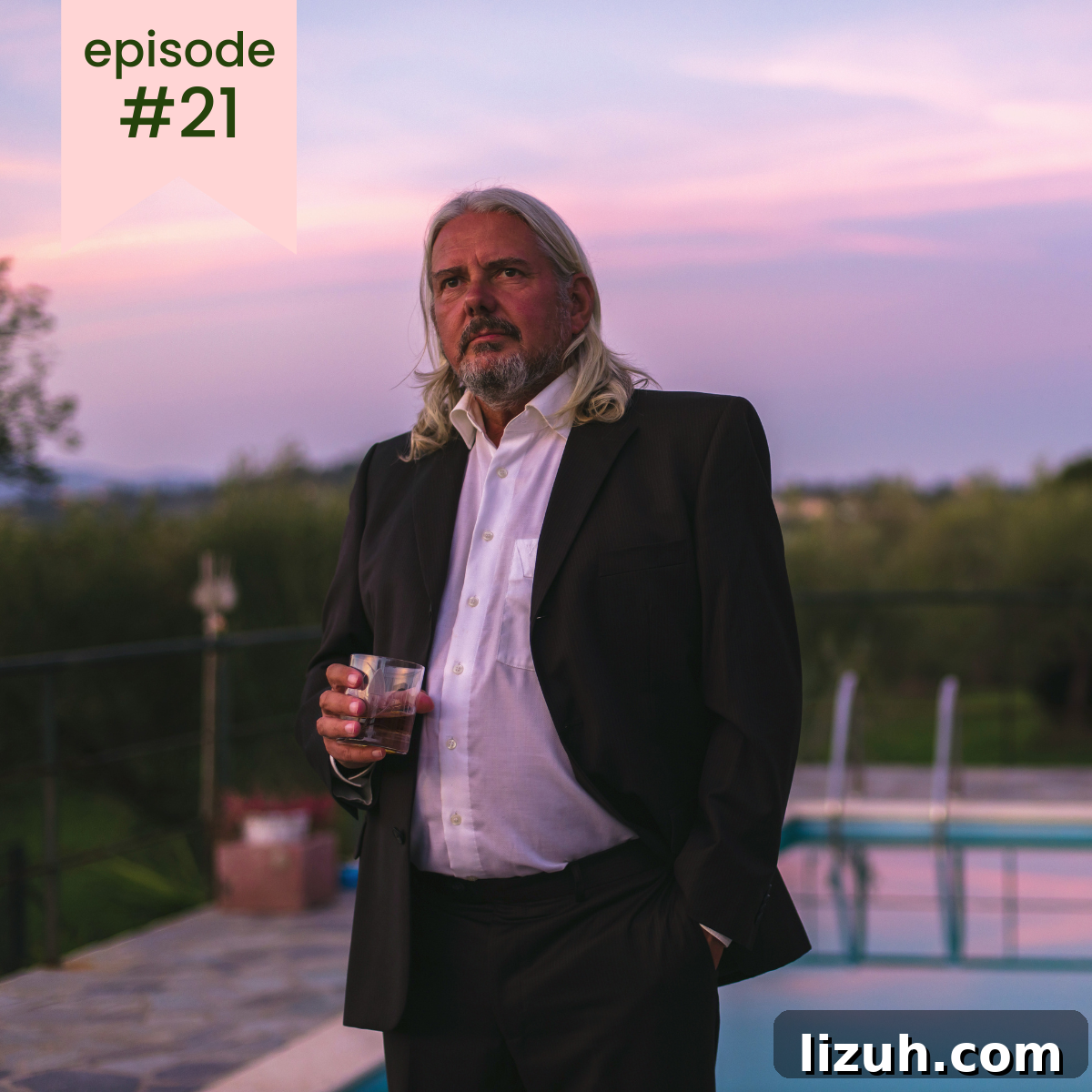
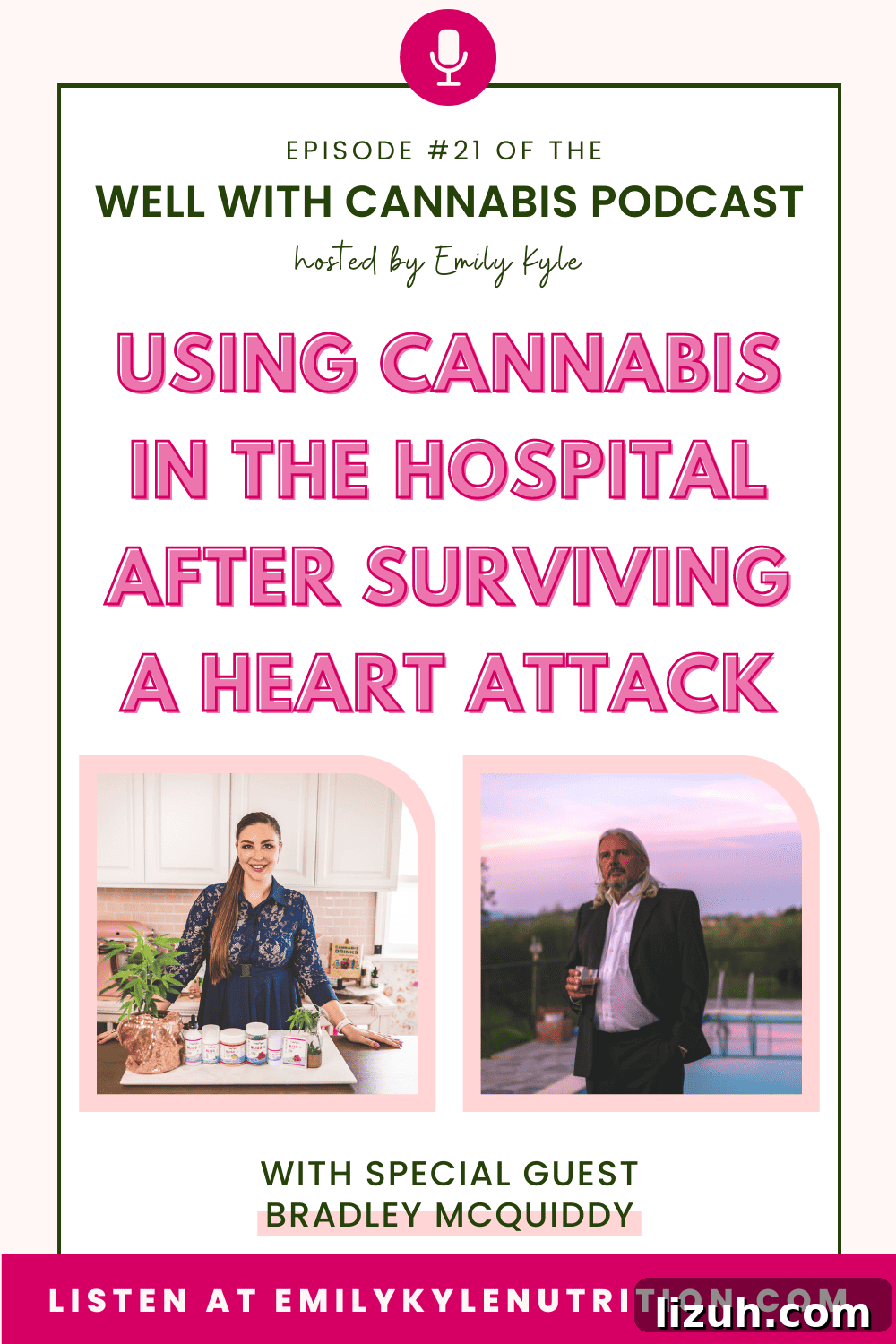
In this episode, Bradley McQuiddy shares his personal experience using medical cannabis to manage pain, nausea, and discomfort after a heart attack and a quintuple bypass. His story highlights how medical cannabis, when used responsibly and under medical supervision, can be a meaningful option for recovery and symptom relief, and underscores the importance of access and education for patients and caregivers.
Features
- Release Date: Wednesday, June 7th, 2023
- Episode Number: Season 1, Episode 21
- Special Guest: Bradley McQuiddy
Listen To The Episode
Click the play button above to listen to the episode.
Listen to all podcast episodes →
Why You Will Love This Episode
Bradley describes how medical cannabis — including topical creams, sublingual tinctures, and edibles — helped control nausea and post-surgical pain during his recovery. As an Oklahoma medical card holder, he was able to use legal, non-smoking forms of cannabis in the hospital with his surgeon’s approval, which made a notable difference in his comfort and healing.
The episode explores practical approaches to integrating cannabis with conventional medical care, the variety of products available today, and the importance of sensible dosing and education, especially for older adults and caregivers.
Full Transcript
Bradley: Use it, share it. Be careful. Don’t give people an edible just to start with. Find something that makes sense.
Announcer: Welcome to the Well With Cannabis Podcast, a show sharing life-changing stories of people who live well with cannabis and teaching listeners how to do the same. Meet your host, Emily Kyle, a registered dietitian nutritionist turned certified holistic cannabis practitioner who now helps others explore the therapeutic potential of cannabis.
Tune in each week for real-life stories that inspire and inform, whether you’re new to cannabis or have used it for years. These conversations offer practical ideas and encouragement to support your own cannabis journey.
Disclaimer: The Well With Cannabis Podcast is intended for adult audiences. Episodes may include sensitive topics and occasional explicit language. The content is educational and informational only and does not constitute medical advice. If any subject matter affects you, please reach out to a trusted professional or support person.
Emily: Hello and welcome to the podcast. Today I’m speaking with Bradley McQuiddy, who experienced a heart attack and quintuple bypass and used medical cannabis during his hospital recovery. Bradley, thanks for joining us. How are you?
Bradley: Good morning, Emily. I’m glad to be here.
Emily: Tell us a little about yourself and how you ended up here.
Bradley: I’m 63, originally from the Texas panhandle, and I’ve used cannabis for most of my life. On December 21st I had a heart attack and underwent open-heart surgery. While recovering in the hospital I struggled with nausea and pain. A nurse asked if I used cannabis and, when she learned I held an Oklahoma medical card, she checked with my surgeon. Because the hospital had allowed medically carded patients to use non-smoking forms of cannabis since 2019, my care team approved certain products like creams, tinctures, and edibles.
My wife brought products from a local company, including a high-potency topical “Pain Stick,” a FECO tincture, and a restorative sublingual that helped me sleep. The staff supported the decision and provided a secure way to store and administer the medicine. Using these alternatives allowed me to reduce opioid-based pain medications and manage nausea more effectively.
Emily: That must have been a relief — to use cannabis openly in the hospital.
Bradley: Absolutely. The nurse and doctor recognized that for someone accustomed to cannabis, these options could be more effective and gentler than the available hospital medications. It was surprising and encouraging that the team suggested it and supported the approach.
Bradley and his wife moved to Oklahoma for easier legal access after living in Colorado. He praises Oklahoma’s broad selection and affordability compared with other states, and describes specific products that helped him in the hospital — topical pain sticks, nerve creams, FECO tincture, and small sublingual doses for sleep.
He also discusses how caregivers and clinicians can play a vital role in guiding older patients to safe, low-dose options and suggests educational programs for seniors and healthcare providers to bridge the information gap.
Bradley: For seniors, microdosing and topical applications are often best. Start small — a milligram or two for very frail individuals — and use sublingual or topical methods before trying larger edible doses. Avoid giving large edibles to someone who hasn’t used cannabis before.
Emily: Education and thoughtful dosing are key. When used carefully, cannabis can reduce reliance on stronger pharmaceuticals and improve quality of life, especially for pain, insomnia, and anxiety.
Bradley also reflects on his past: a traumatic brain injury and earlier experiences where growing medical cannabis led to legal consequences. He emphasizes how stigma and prohibition have harmed countless people and praises the therapeutic benefits he’s seen in himself and others — from pain relief and better sleep to easing menstrual discomfort and calming patients with cognitive decline.
Emily: What are you most proud of?
Bradley: Being able to integrate cannabis into my life responsibly and to use it as medicine while still functioning and enjoying life.
Emily: What would life look like without cannabis?
Bradley: Not fun — I’d be stuck inside with pain.
Emily: If you could give yourself advice from 10 or 20 years ago?
Bradley: Be careful about purchases and use discretion. And be patient and deliberate about dosing — especially when helping others start cannabis for the first time.
Emily: Any final wisdom for listeners?
Bradley: Use it and share it responsibly. Start low, go slow, and choose a method that makes sense for the person you’re helping.
Emily: Thank you, Bradley, for sharing your story and for the work you and your wife are doing to support seniors and caregivers. Your experience shows how compassionate, informed use of medical cannabis can improve recovery and daily life.
Announcer: Thanks for listening to the Well With Cannabis Podcast. We hope this episode offered useful insights and encouragement. For more show notes, recipes, and resources, visit the podcast homepage. If you’d like community support on your cannabis journey, consider joining the Well With Cannabis Community.
More Episodes
Growing Cannabis
The Kyle Family 2023 Cannabis Harvest
Podcast Episodes
From Law Books to Cannabis Plants: A Lawyer’s Journey to Becoming a Cannabis Coach
Podcast Episodes
Getting Insurance Reimbursement for Medical Cannabis in Germany
Podcast Episodes