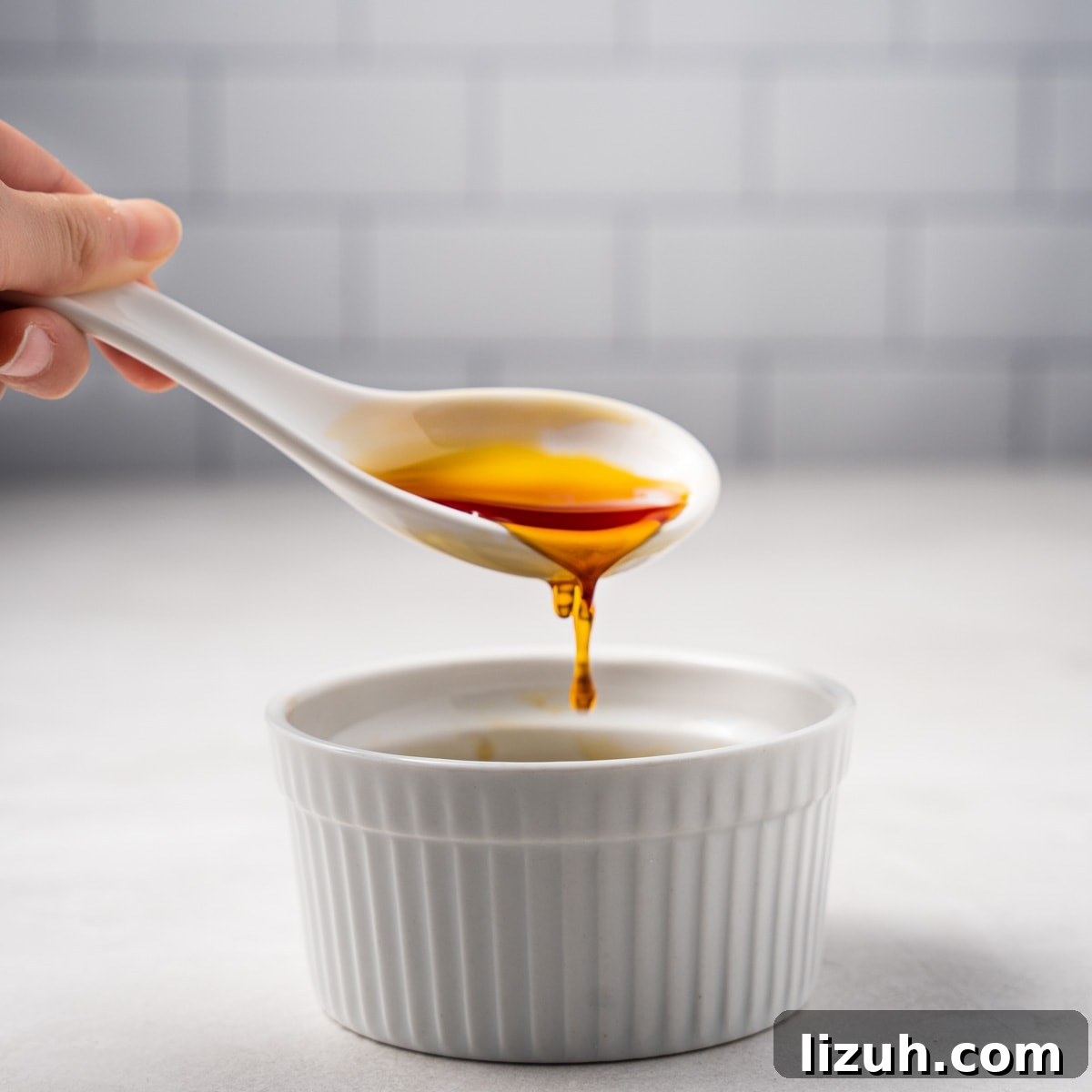
Let’s talk about one of Vietnamese cooking’s most underrated essentials: nước màu. This glossy, dark caramel syrup is the key to the deep mahogany color and savory-sweet depth in classic braises like thịt kho. It’s not a dessert caramel—rather, it’s a simple seasoning that builds rich, complex flavor quickly and reliably.
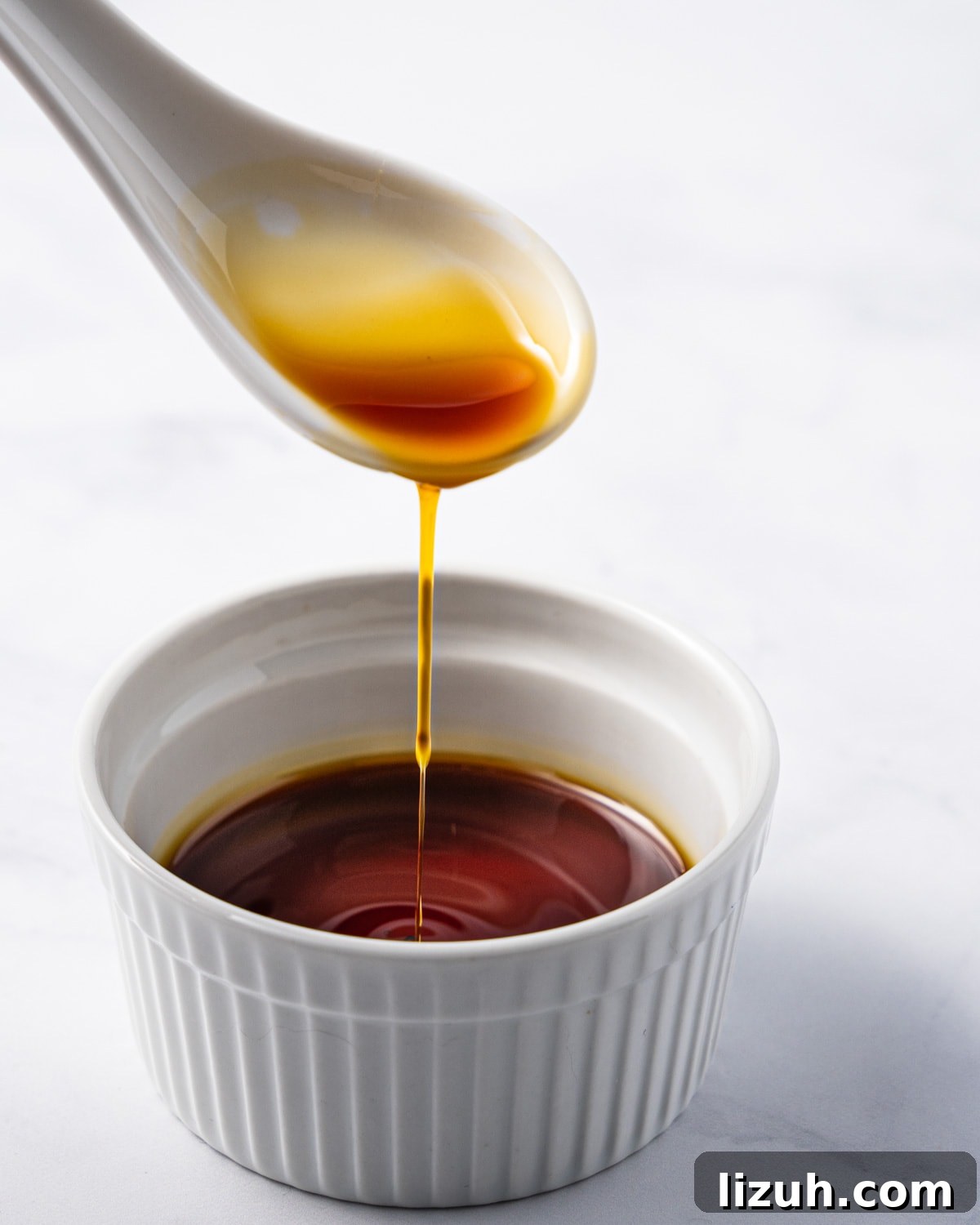
If you’ve never made it before, don’t worry: it’s easier than it looks. Once you know how to make nước màu at home, you’ll keep a small jar in the fridge to finish braises, fish, chicken, and even tofu with that signature glossy finish.
So… What Is Nước Màu?
Nước màu, sometimes called nước hàng, is made by slowly caramelizing sugar until it reaches a deep amber color, then diluting it with water. The result is a syrup that lends color, balanced sweetness, and a faint bitter note that enhances savory dishes. It’s commonly used in braised pork (thịt kho), caramelized fish (cá kho), and many other Vietnamese comfort foods.
Just a tablespoon or two added to a pot of braising liquid transforms the color and deepens the overall flavor without overpowering the dish.
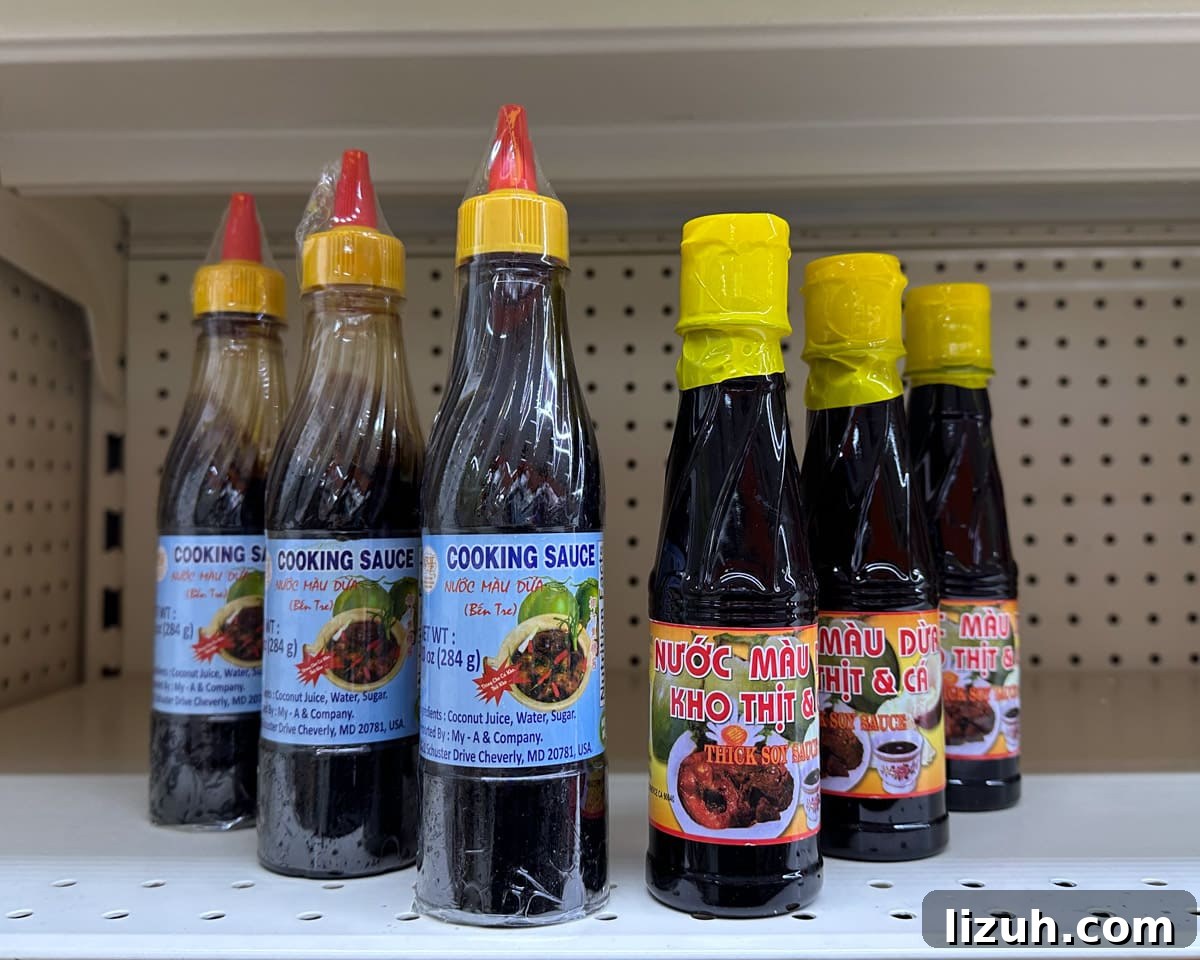
Can I Buy It?
Yes. Most Asian grocery stores sell bottled nước màu; labels may read “Nước Màu Dừa” (caramel with coconut juice) or “Nước Hàng.” Commercial versions are convenient, but homemade nước màu is fresher, cleaner in taste, and takes only minutes to make.
What You’ll Need (and a Few Tips)
Please scroll ⬇️ to the recipe card for exact ingredient amounts and the concise instructions.
Only two ingredients are required, but technique matters:
- Sugar – Use plain white granulated sugar for a clean, predictable caramel. Brown sugar can burn and change the color unpredictably.
- Water – Cold or room temperature water works, though warm water reduces violent bubbling when added.
Helpful tools:
- A light-colored pan to judge color more easily
- A silicone spatula or wooden spoon
- A lid or splatter screen in case the caramel bubbles up
How to Make Vietnamese Caramel Sauce (Step-by-Step)
Note: Caramelization happens quickly. Read the steps completely before starting. Do not leave the stove unattended and have the water measured before you begin.
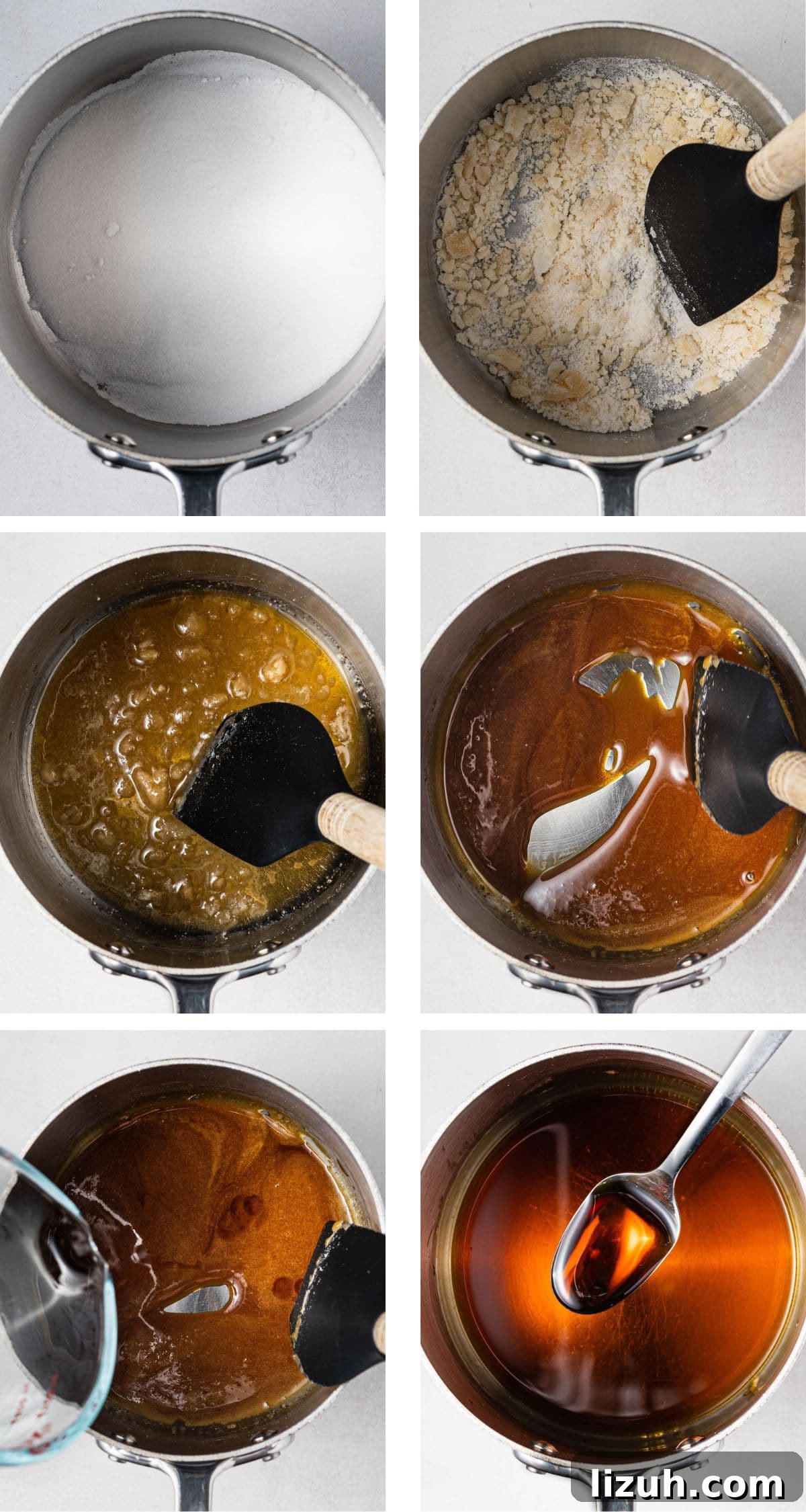
- Add sugar to a dry pan: Put the measured sugar in a small, light-colored saucepan over medium heat. Let it melt without stirring at first.
- Watch it change: The sugar will go from clear to pale gold to deep amber. Swirl the pan gently as needed. Stir only when most of the sugar has melted to promote even cooking.
- Stop the cooking: When the sugar reaches a deep amber—just before it smells burnt—remove the pan from heat and carefully add the measured water. It will bubble vigorously, so pour slowly and stand back.
- Stir until smooth: Once bubbling subsides, stir until the liquid is glossy and fully combined.
- Cool and store: Let the sauce cool completely, then transfer to a clean jar and refrigerate.
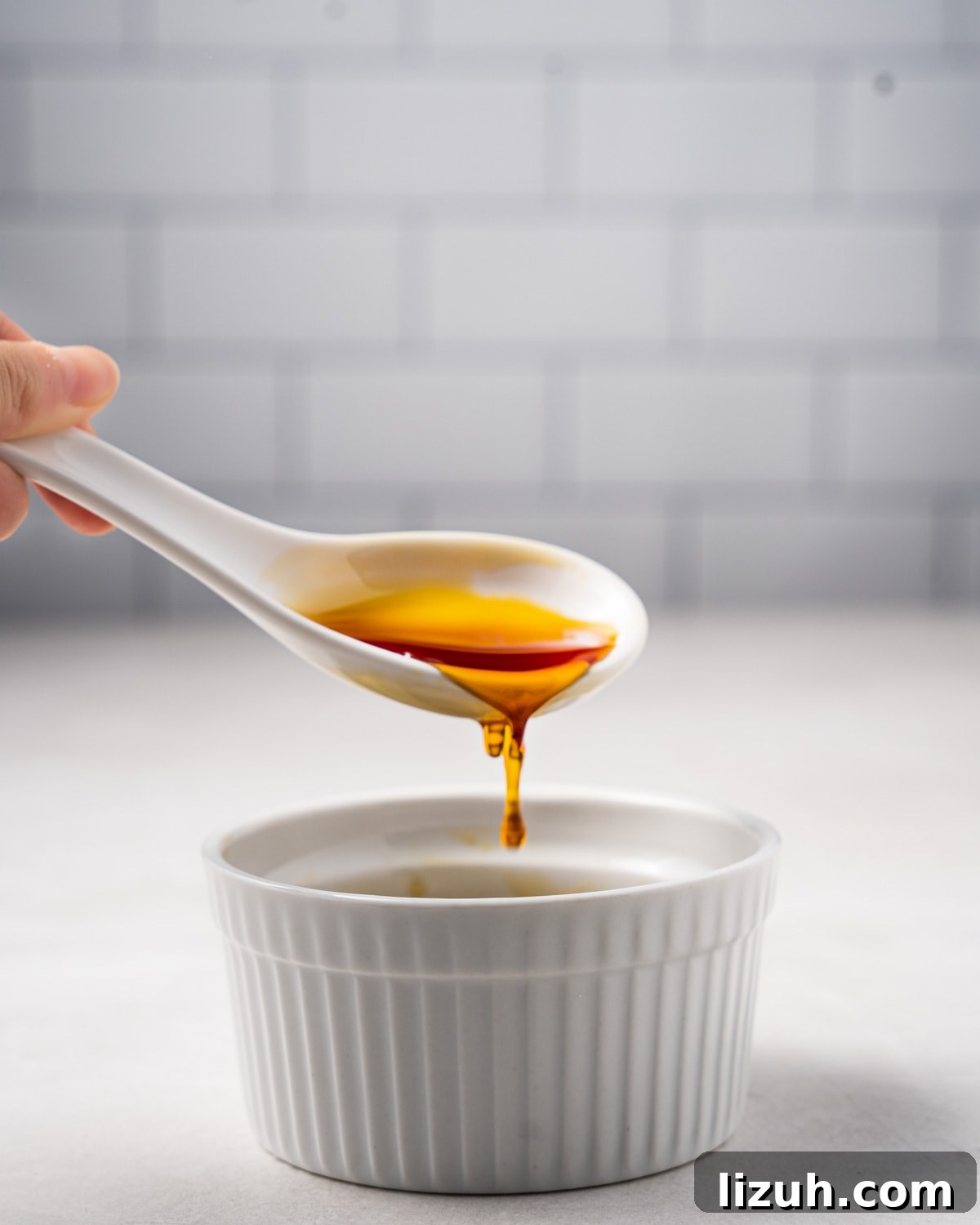
How to Use It
Nước màu is a staple for braised Vietnamese dishes. Common uses include:
- Thịt Kho (Braised Pork with Eggs) – A classic application that benefits from the sauce’s color and depth.
- Cá Kho (Caramelized Fish) – Adds a warm, savory finish to fish braises.
- Braised Chicken or Tofu – Useful for meal prep and budget-friendly dinners.
Use roughly 1–2 tablespoons per dish depending on the quantity of braising liquid and how intense you want the color and flavor to be.
Storage Tips
Keep cooled sauce in a clean glass jar with a tight lid in the refrigerator. It will keep for up to 3 months. If it thickens or separates, stir it or warm briefly in the microwave (10–15 seconds) to loosen it.
Final Thoughts: Small Jar, Big Flavor
Homemade nước màu is one of the simplest, most effective ways to upgrade Vietnamese cooking. It’s fast, inexpensive, and transforms ordinary braises into dishes with deep color and rounded flavor. Once you make it a couple times, you’ll notice how often it elevates everyday meals.
Have you tried making nước màu? Share your experience in the comments—or save this page so you can make a jar whenever you need that glossy finish.
RECIPE
Vietnamese Caramel Sauce (Nuoc Mau)
Quynh Nguyen
Pin Recipe
Save Recipe
Ingredients
- 4 tablespoons white granulated sugar
- ⅓ cup water
Instructions
-
Add sugar to a dry pan: Start with ½ cup of sugar in a small, light-colored saucepan over medium heat. Let it melt—no stirring at first.
-
Watch it change: As it melts, it’ll go from clear to golden to amber. Swirl the pan gently if needed. Stir only once the sugar is mostly liquid to help it cook evenly.
-
Stop the cooking: Once it reaches a deep amber (right before it starts to smell burnt), remove it from the heat and slowly add ⅓ cup water. It’ll bubble like crazy, so be careful!
-
Stir until smooth: Once the bubbling calms down, stir the sauce until it’s fully dissolved and glossy.
-
Cool and store: Let it cool completely, then pour into a jar and store in the fridge.
Notes
- Use warm water when adding to hot caramel to reduce bubbling and splattering.
- Don’t walk away! The color changes quickly—once it turns amber, it can burn in seconds.
- Need a thinner sauce? Add a little more warm water to thin it to your liking.
- Store in the fridge in an airtight jar—it will keep for weeks.