Today’s Blog Post
Hello everyone — welcome back to the blog. Today I’m answering a selection of the most common questions readers ask us. We always try to reply to comments directly and give clear, practical advice, and your feedback has helped us improve how we write and explain recipes. Baking has many variables — humidity, altitude, temperature and equipment all affect results — so sometimes outcomes differ even when following a recipe closely. Below are concise, tested answers to frequent baking questions to help you get more consistent results.
Can I proof my dough in the fridge overnight?
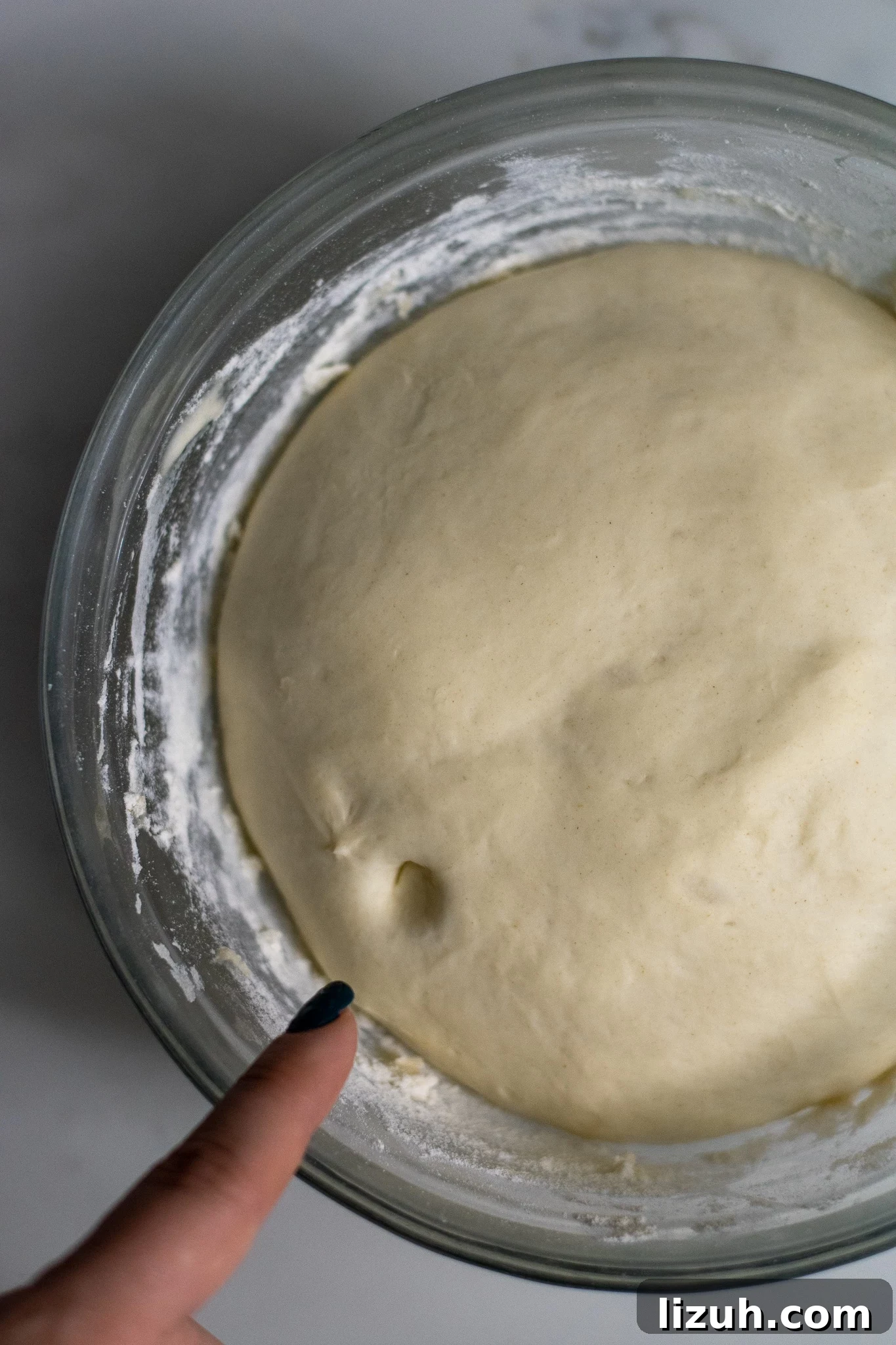
Yes — cold-proofing dough overnight in the refrigerator is a reliable and convenient method. For yeasted breads, rolls and enriched pastries, we recommend doing the first bulk rise in the fridge. Cold fermentation slows yeast activity, develops better flavor and fits well with morning baking plans. In the morning you’ll still need a short second proof at room temperature for shaping and final rise.
We prefer refrigerating the first rise because the dough occupies less space and is less likely to overproof. You can cold-proof during the second rise, but be cautious: leaving shaped dough in the fridge for more than about 8–9 hours can risk overproofing. Adjust timing based on your recipe and fridge temperature.
What size cake tin do you use?
Common sizes we use are a 9-inch round tin for layer cakes, a 13×9-inch pan for sheet or rectangular cakes, and a standard loaf tin for loaves and some quick breads. We work with both metal and glass pans depending on what’s available. If using glass, reduce oven temperature by roughly 25°F (about 13°C) because glass retains heat and can cause quicker browning.
Metal pans typically provide more even baking. Remember that pan size affects baking time: deeper or larger pans need longer, while shallower or smaller pans require less time. Keep a close eye on doneness and use visual cues and toothpick testing rather than relying solely on the clock.
How soft should my butter be when I add it to my dough?
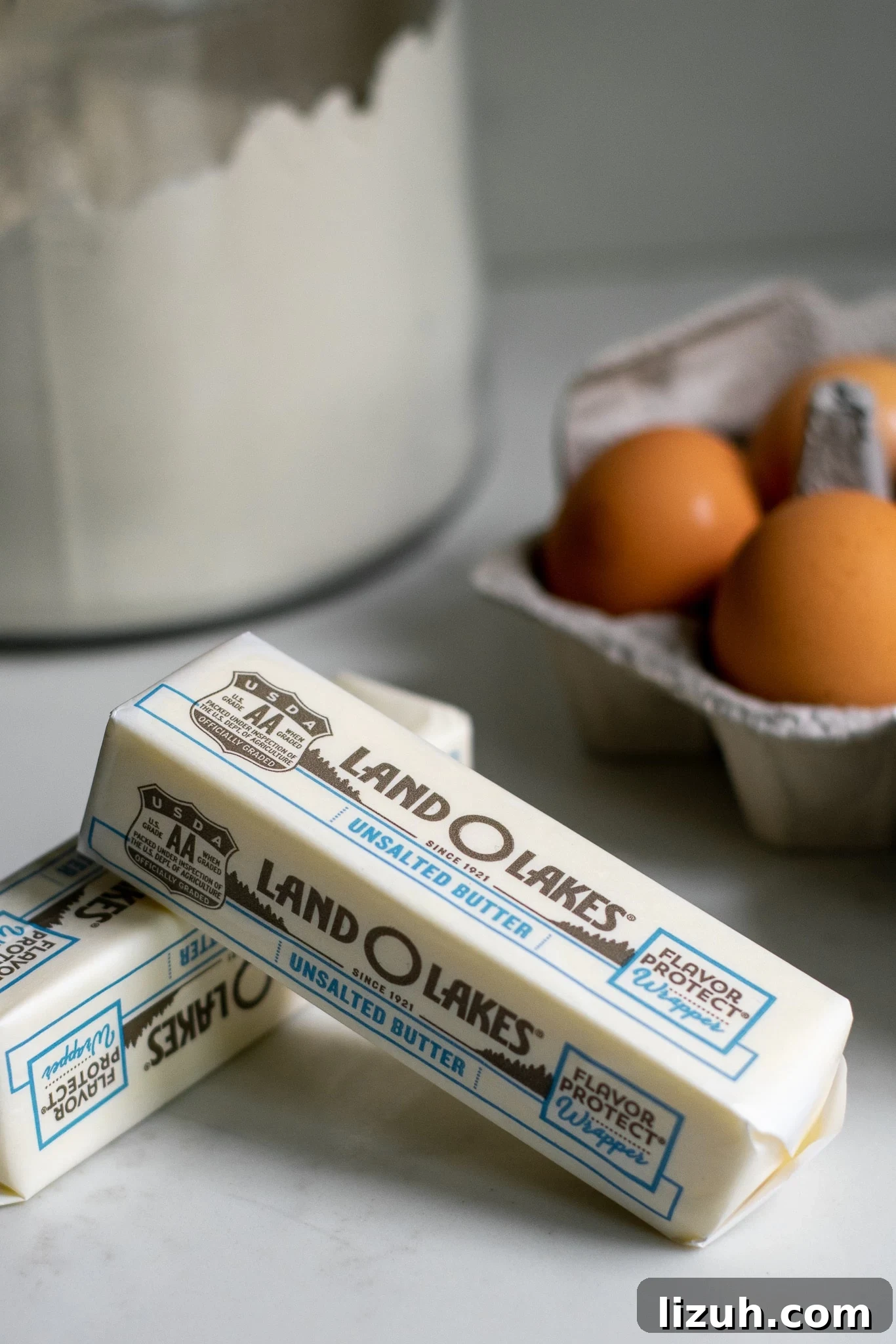
For enriched doughs with butter and eggs, aim for butter that is soft but not warm. Pressing it should leave an easy indent, but it should not appear shiny or greasy. That sheen indicates the butter is too soft or melting.
Add the butter when the dough is still a bit shaggy and hasn’t fully come together. This helps the fat incorporate evenly. If you add butter too late, it may leave streaks or lumps; if the dough looks greasy or you can see chunks of butter, the incorporation wasn’t right. The finished dough should be smooth and very soft.
How do I store my baked goods?
Storage depends on the item. Anything with dairy-based fillings or frostings — whipped cream, pastry cream, cream cheese frosting or similar — should be refrigerated after cooling and stored in a container. Cakes and pastries without dairy fillings can sit at room temperature for around three days; refrigeration will extend shelf life but can change texture. We usually cover cakes with plastic wrap or use a cake stand with a domed cover.
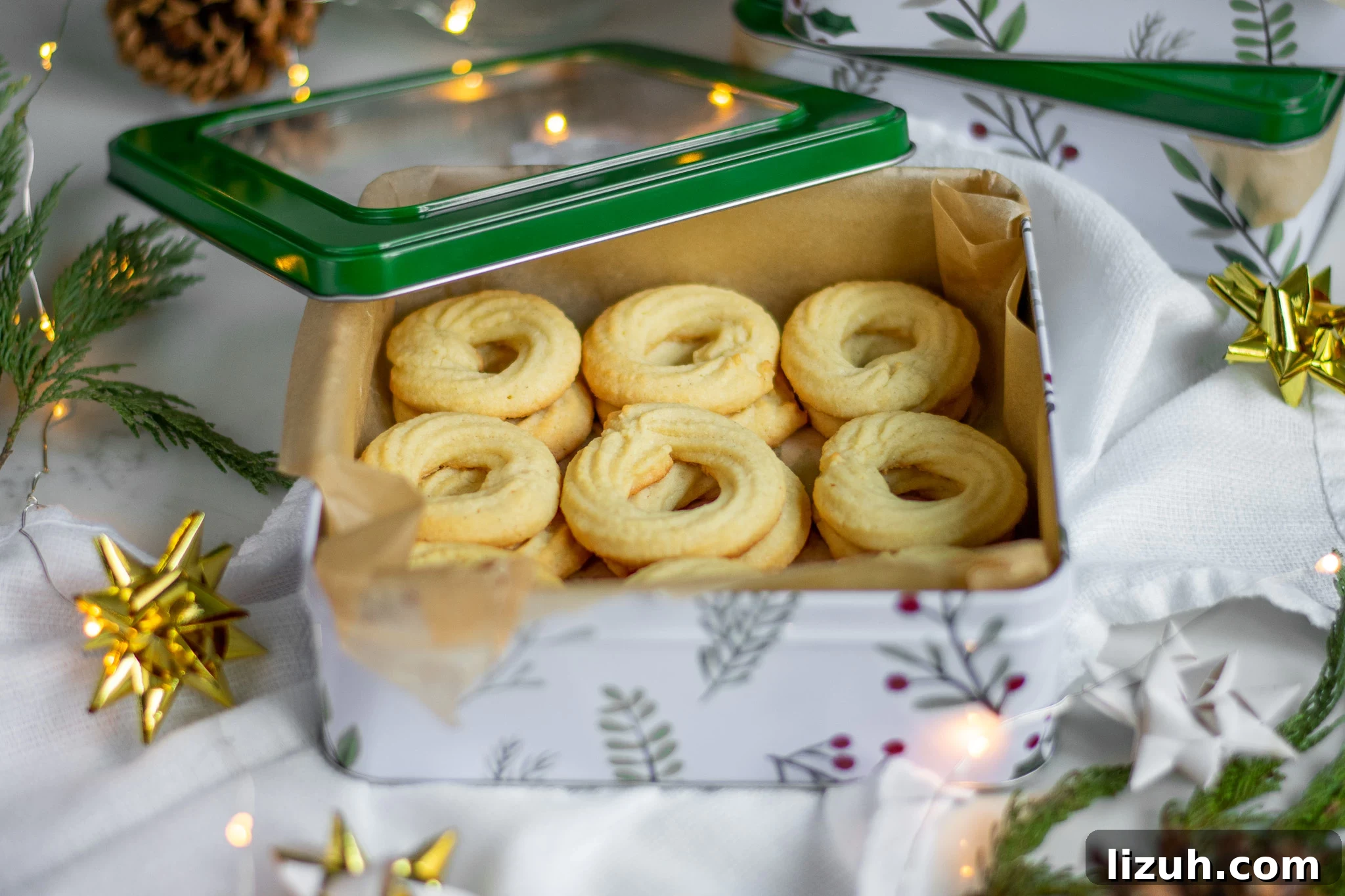
Cookies keep well in an airtight tin; many crisp cookies last weeks and some can be stored up to a month. Softer cookies, especially jam-filled varieties, are best eaten within five days as moisture accelerates staling. Cookies with untempered chocolate toppings are often refrigerated to keep the chocolate firm. Bread and rolls kept in an airtight bag stay fresh for about four days, though they’re often eaten sooner.
Freezing is a great option for long-term storage: freeze cake slices, cookies in zip-top bags, bread slices or individual pastries. Thaw at room temperature or briefly reheat for best texture. Consume frozen baked goods within three to four months for optimal quality.
My bread/rolls turned out a bit flat — what happened?
Flat or dense rolls most often mean the dough needed more time to rise. Yeast is a living organism that needs the right temperature and time to produce gas and structure. Recipe rise times are estimates; your environment (temperature, humidity, flour type) will change how quickly dough proofs. Cold conditions slow fermentation and require longer rises; warm conditions speed it up.
When in doubt, use the poke test: gently press the dough with a finger — if the indentation springs back slowly and not completely, the dough is ready. If it springs back immediately, it needs more time; if it collapses, it may be overproofed. Adjust proofing times rather than relying strictly on minutes in the recipe.
Can I make this without eggs or can it be made gluten free?
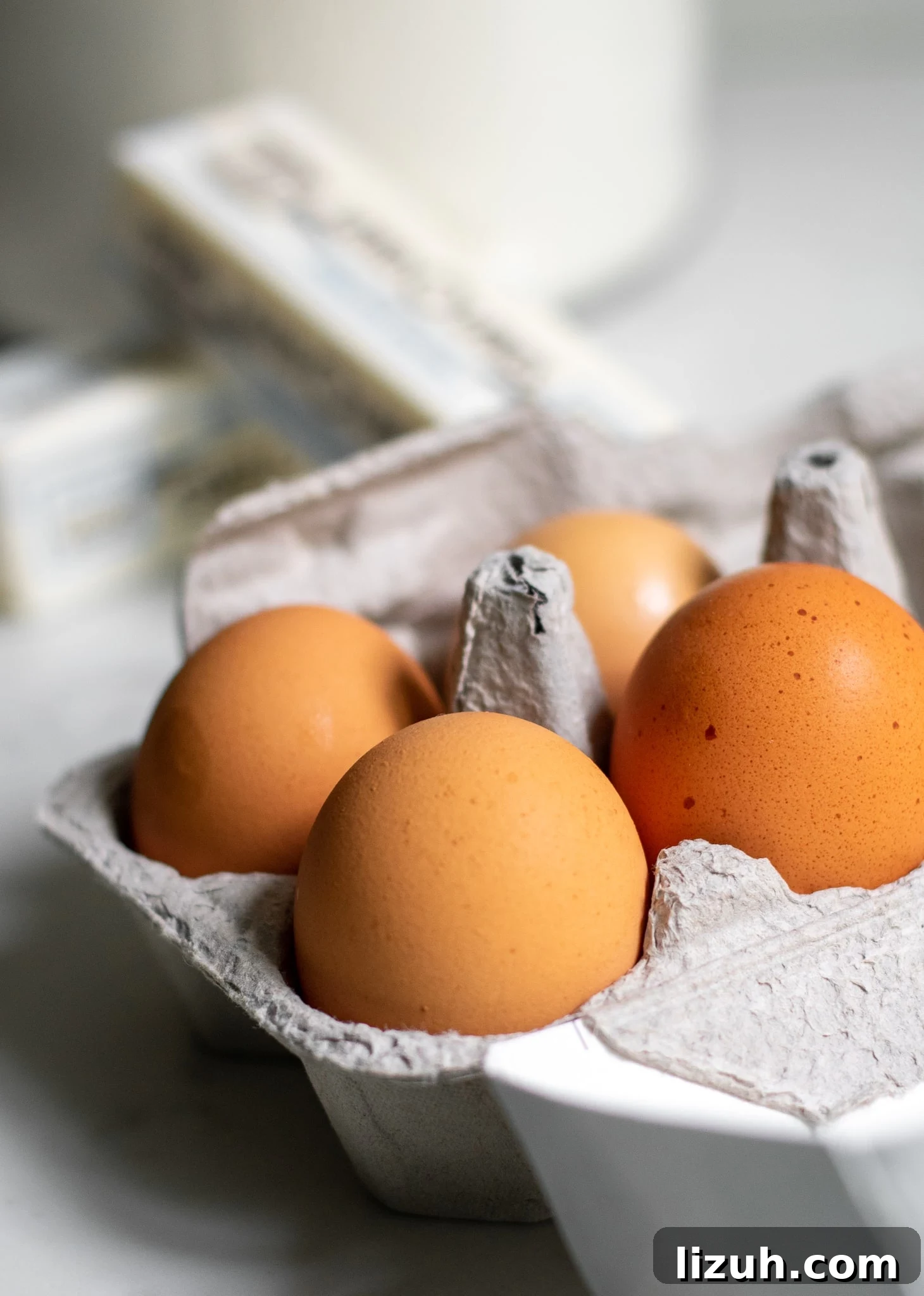
It depends on the recipe. We don’t routinely test egg-free or gluten-free variations, so we can’t guarantee identical results when ingredients are swapped. Savory recipes are often easier to adapt: eggs can sometimes be omitted or substituted without major texture changes.
Baking is more sensitive. Omitted eggs in breads may yield a denser crumb but still work; cakes and delicate pastries rely on eggs for structure, lift and moisture, so replacements require careful reformulation. Gluten-free baking needs adjusted flours and binders to mimic gluten’s properties, which affects texture and hydration. We hope to explore more adaptations in the future, but for now, any substitutions should be tested and adjusted per the specific recipe.