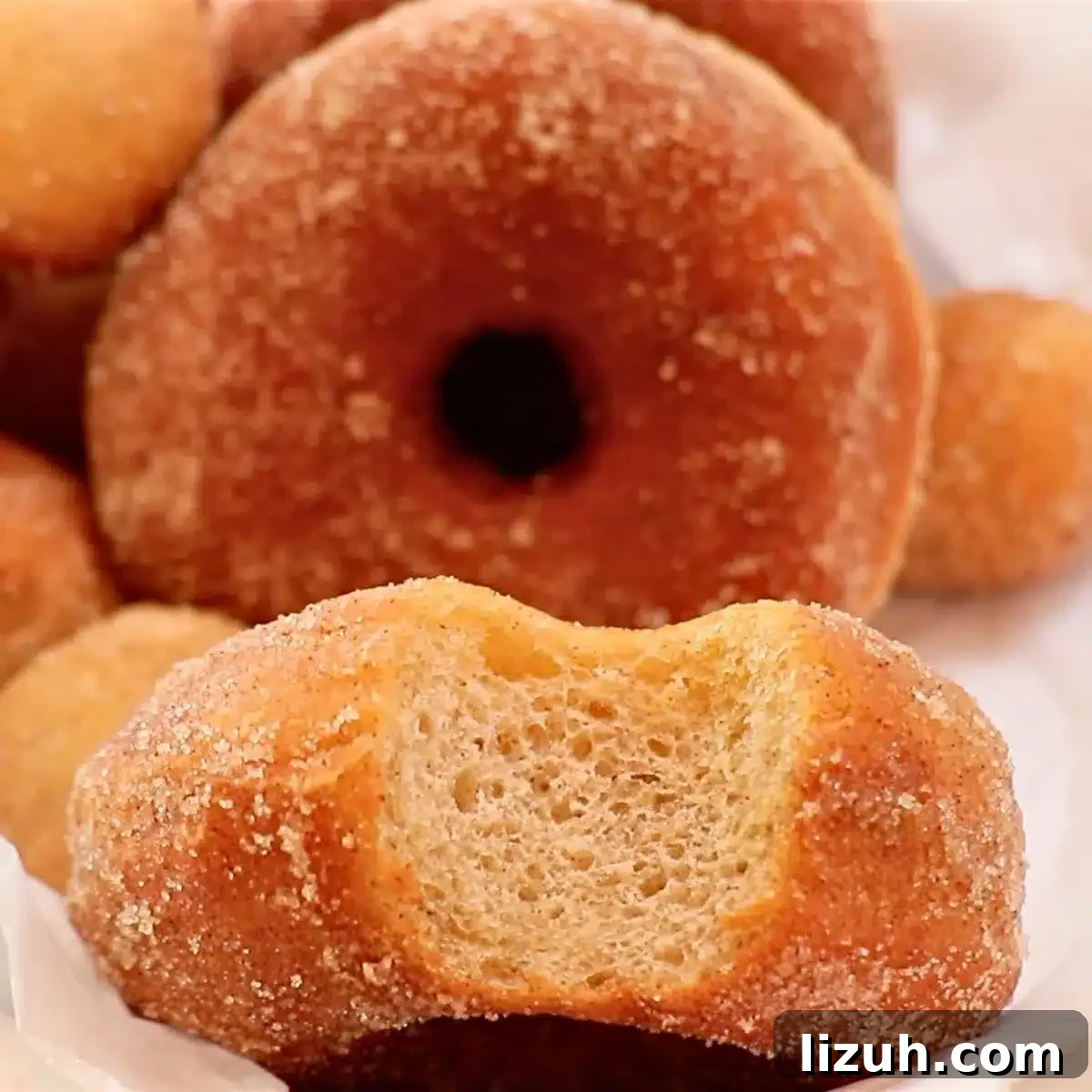
Are you craving fluffy, homemade cinnamon donuts? This guide shows how to make them at home using simple ingredients and clear techniques so you can get soft, tender donuts every time.
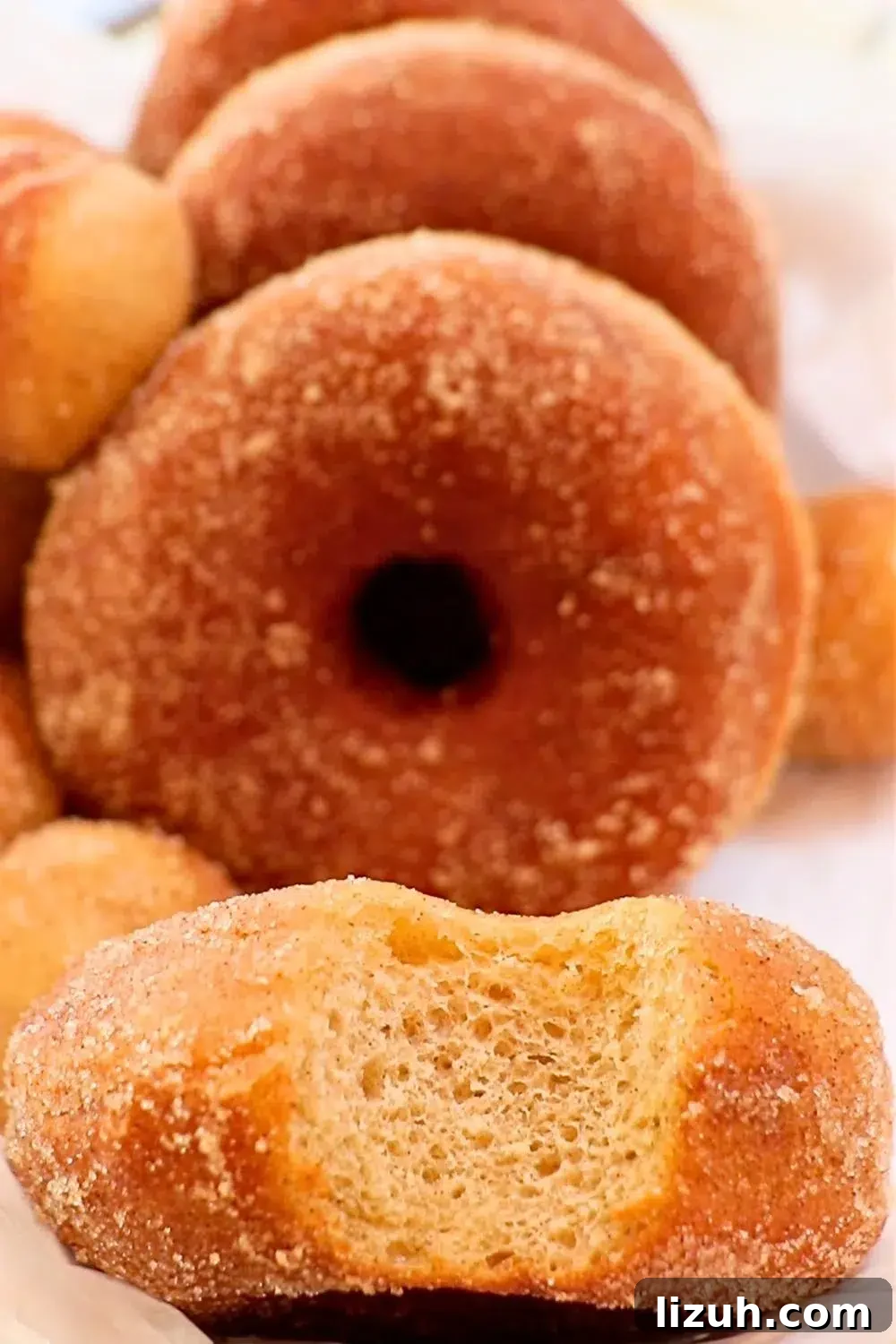
Cinnamon donuts have been a favorite of mine since childhood. The warm, spicy aroma and the tender, slightly crisp exterior always bring a moment of happiness. I reserve these for special treats, when I want something comforting and nostalgic.
What You’ll Learn In This Post:
In this post you’ll find essential tips to make successful cinnamon donuts, including:
- How to knead dough to achieve a soft, fluffy texture.
- What can go wrong if dough is under- or over-kneaded.
- How yeast activity relates to temperature and proofing.
- Pro tips for shaping and frying to produce attractive, evenly cooked donuts.
…and practical advice for every step.
Let’s get started.
What I Love About This Cinnamon Donut:
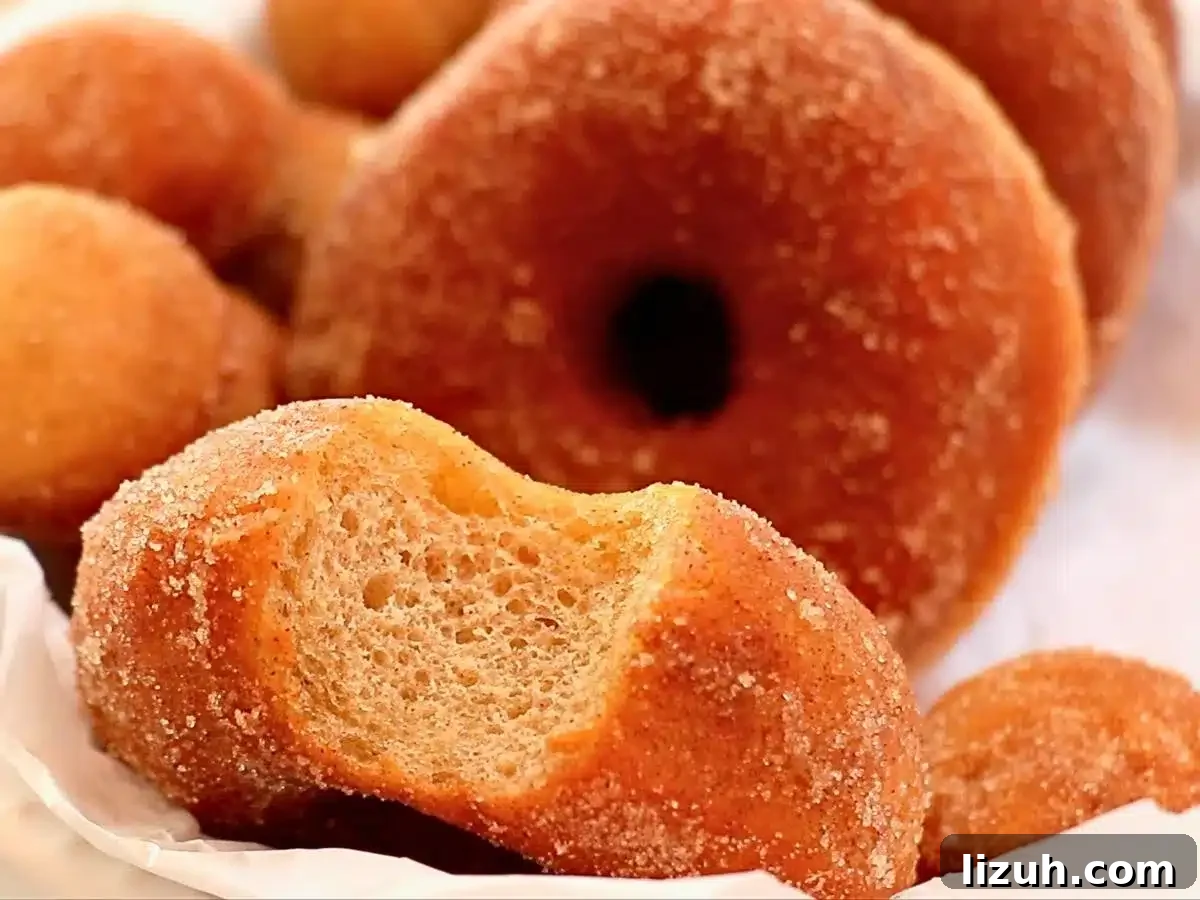
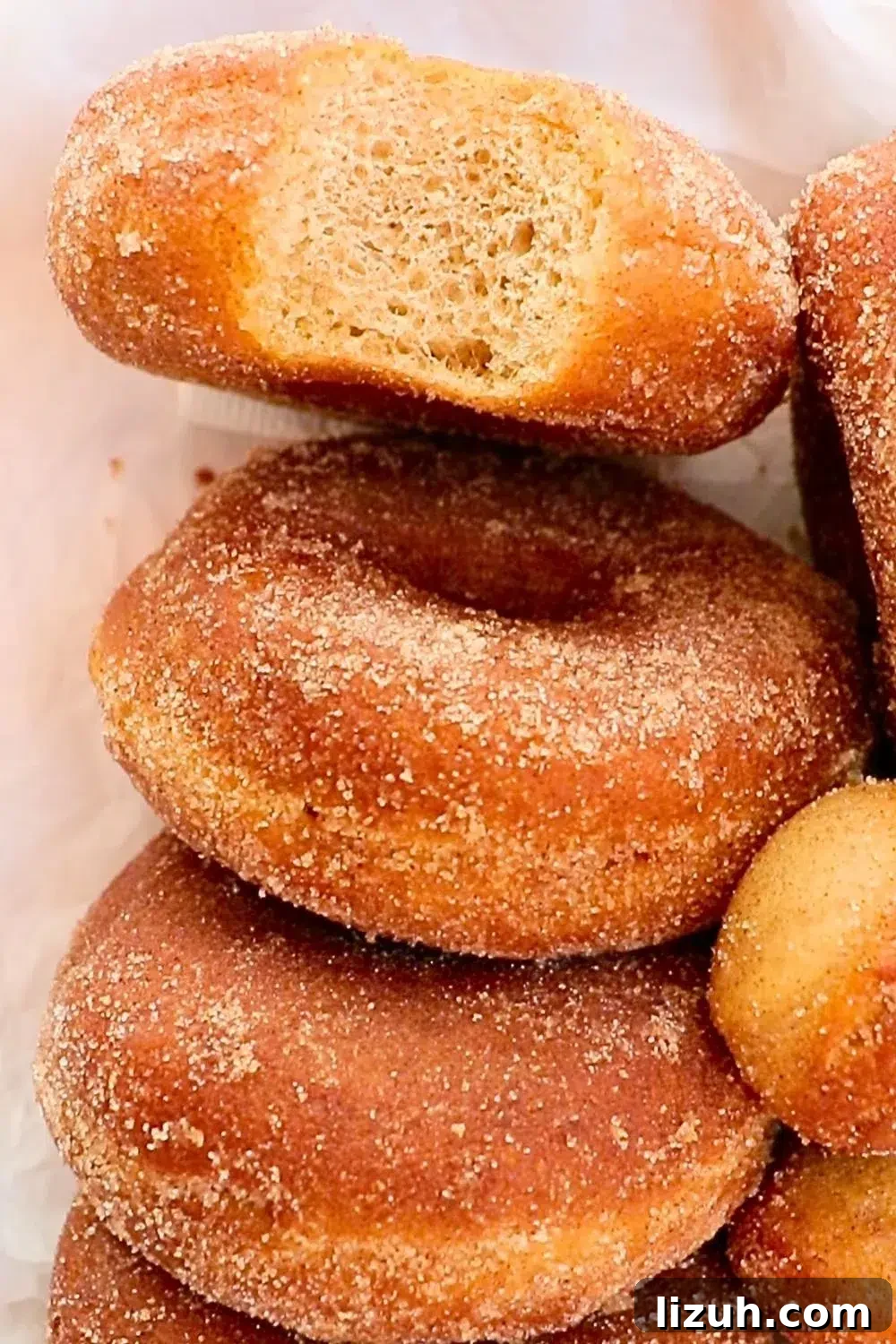
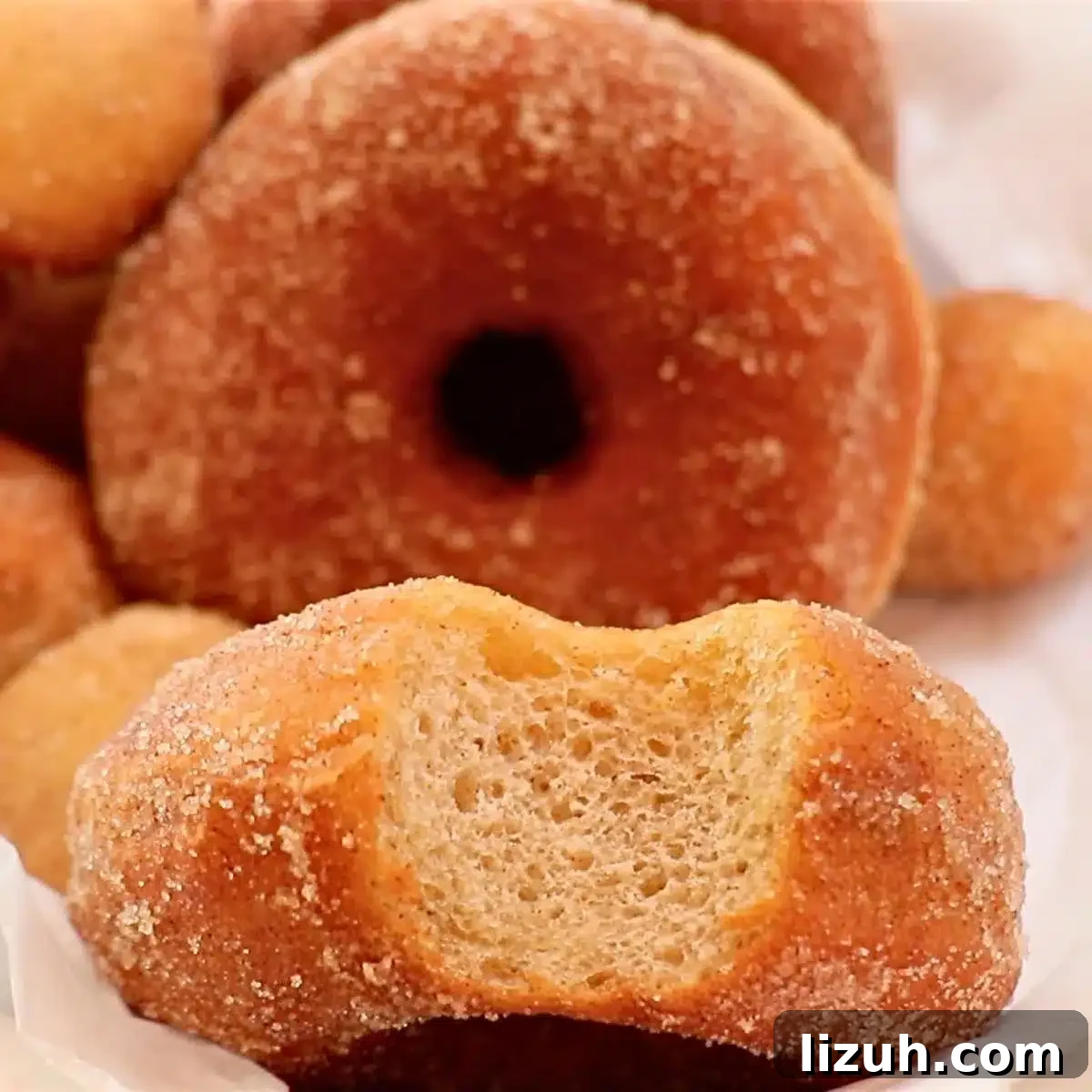
- So soft and fluffy with a light, crisp exterior — a heavenly bite.
- Easy to make: simple, beginner-friendly steps.
- Uses common pantry ingredients you likely already have.
- Lightly springy texture that’s tender rather than overly bouncy.
Video: Watch How To Make the Cinnamon Donuts
Follow the step-by-step video tutorial to see each technique in action and get a clear sense of timing and texture.
What’s In Cinnamon Donuts?
Donuts
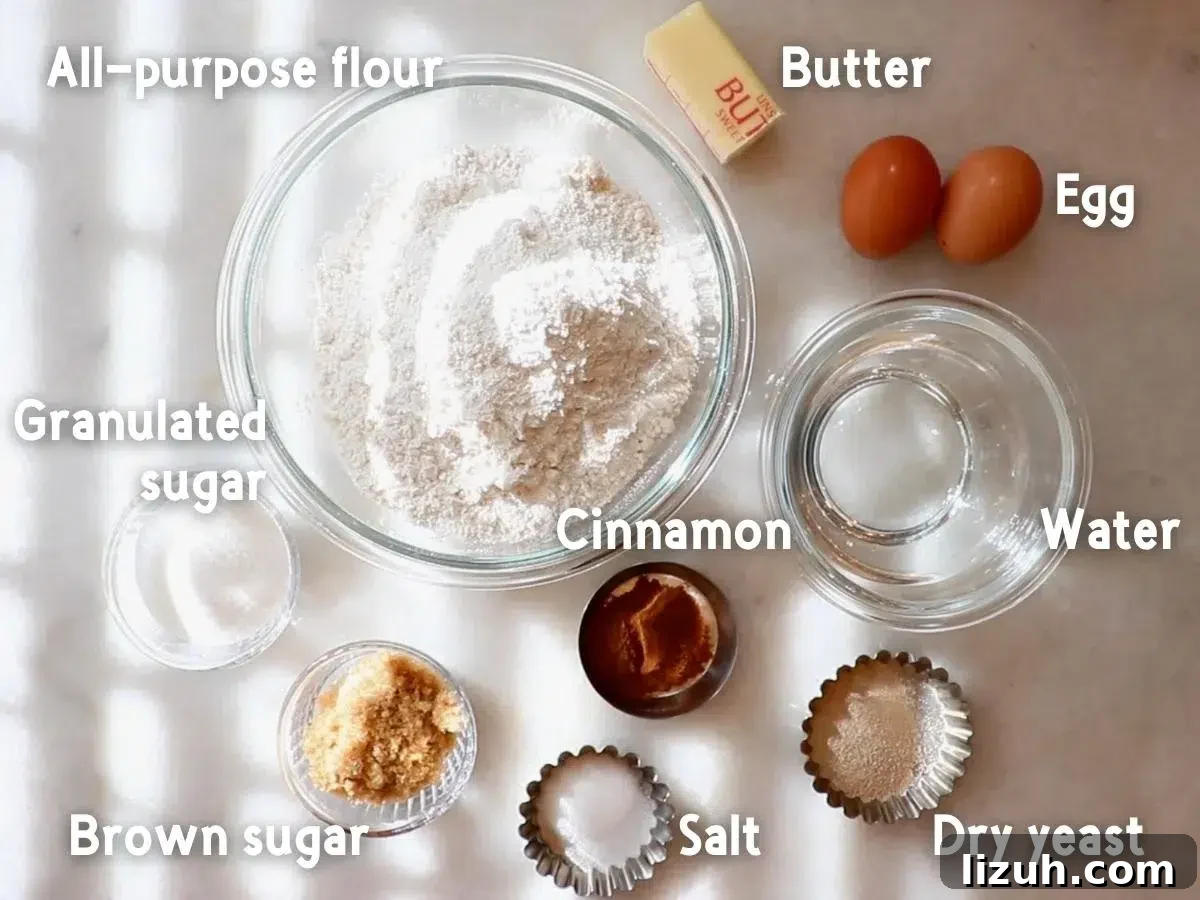
- Dry yeast (active dry yeast).
- Water — lukewarm, about 98°F / 35°C to activate the yeast without damaging it.
- All-purpose flour for a slightly tender, cakier crumb.
- Granulated sugar for sweetness.
- Brown sugar to complement the cinnamon and add moisture.
- Salt to enhance flavor and strengthen gluten.
- Cinnamon — adjust amount to taste.
- Egg to enrich and soften the dough.
- Unsalted butter at room temperature for richness.
- Oil for deep-frying (canola, vegetable, or olive oil).
Cinnamon Sugar
- Granulated sugar
- Cinnamon
How To Make Cinnamon Donuts
Key tips and step-by-step notes:
Step 1: Mix yeast in lukewarm water
Combine the dry yeast with lukewarm water to activate it and set aside for about 10 minutes until bubbly.
Tip
Yeast is temperature-sensitive: too cold delays proofing, too hot can kill it. Aim for lukewarm water so proofing proceeds reliably.
Step 2: Mix the dry ingredients
Whisk together flour, granulated sugar, brown sugar, salt, and cinnamon to distribute ingredients evenly before adding liquids.
Step 3: Add yeast water and egg, then knead
Add the yeast mixture and eggs to the dry ingredients. If using a stand mixer, knead at low speed for about 4 minutes to develop gluten. Proper kneading helps the dough rise and produces a soft crumb.
Tip
Warming the eggs slightly can speed the first proof a little, but it’s optional.
Step 4: Add butter and continue kneading
Add softened butter and knead on low until fully incorporated. The dough will feel sticky; that’s normal. Knead until a smooth gluten network forms.
How do I know if it’s kneaded enough?
Stretch a small piece of dough to check for a thin, translucent “windowpane” — that indicates a good gluten structure. The dough may be sticky; resist adding more flour, which would make the final donuts firmer.
Tips
- Use soft butter so it blends easily.
- Don’t add extra flour if the dough feels sticky; that texture is normal and important for softness.
- Lightly oil the mixing bowl, your hands, and tools to prevent sticking and make shaping easier.
Step 5: First proof — let the dough double
Cover the dough with a wet towel or plastic wrap and let it rest until doubled in size. Proofing time depends on room temperature.
Tips
- Seal the cover well to prevent drying.
- At about 76°F (24°C) this may take roughly 1.5 hours; warmer conditions shorten the time.
Step 6: Degas the dough gently
Press the dough gently to release gas, then gather the edges and shape it back into a ball. Treat it gently to avoid overworking the gluten.
Tips
- Avoid punching the dough hard; gentle pressing refines the gluten and keeps the crumb tender.
- Work slowly to press out large bubbles so the dough is even and easier to shape.
Step 7: Roll and cut
Roll the dough to slightly more than 1/2 inch thick and cut with a 3.25-inch (8 cm) cutter. Dust both sides lightly with flour to prevent sticking and place cut donuts on parchment for easy transfer.
Tips
- Use bread flour or all-purpose flour to dust the work surface.
- Dust the cutter if the dough is sticky to get clean shapes.
- Change sizes or shapes if desired, and adjust frying time accordingly.
- Place cut pieces on parchment to make frying easier.
Step 8: Second proof
Cover the cut donuts with plastic wrap and let them rise again until nearly doubled. This second proof makes them light and airy.
Tips
- Keep the donuts covered so they don’t dry out.
- Use this time to mix cinnamon sugar and heat the oil.
Step 9: Deep-fry
Fry at about 340°F (170°C) for roughly 2.5–3 minutes, flipping halfway. Remove when golden brown. Smaller donut holes take about 1.5–2 minutes.
Tips
- Handle donuts gently; avoid pressing them directly while frying. Lower them using parchment to prevent deformation.
- Monitor oil temperature to avoid under- or over-cooking.
- Adjust frying time for different shapes and sizes.
Step 10: Coat with cinnamon sugar
While still warm, toss the donuts in cinnamon sugar so it adheres nicely. For the best texture and flavor, enjoy them warm. If they cool, reheat briefly in the microwave.
Enjoy them while warm! The contrast of a fluffy interior and a lightly crisp exterior is best right after frying.
Ways to Enjoy Cinnamon Donuts
Great ideas:
- Weekend snack: Serve warm to family and friends for a cozy treat.
- Fun activity with kids: A hands-on recipe to teach shaping, proofing, and watching dough rise.
- Customize shapes and sizes: Make mini donuts, twists, or rings to suit your preferences.
Frequently Asked Questions
You can refrigerate them, but they are best eaten warm the same day. If storing, wrap tightly and consume within a day; deep-fried pastries lose freshness faster.
Temperature is the usual culprit. Ideal proofing temperature is around 80–90°F (27–32°C). Too cold (below ~40°F / 4°C) slows yeast dramatically. Also ensure the water used to activate yeast was lukewarm, not hot.
If oil is too hot, the exterior browns before the center cooks; if too cool, the donut soaks up oil and cooks slowly. Keep oil near 340°F (170°C) and monitor with a thermometer.
Common causes are handling them roughly or over-proofing. Be gentle when moving and fry after the dough has risen but before it deflates from over-proofing.
More Fluffy Dessert Recipes
If you enjoy these donuts, try other light and airy desserts such as vanilla sponge cake, chocolate sponge cake, or chiffon-style cakes for similar textures and comfort flavors.
Did you try the recipe?
Share your feedback in the comment section — I’d love to hear how your donuts turned out and what variations you tried with friends and family.
Thank you! – Aya
Fluffy Cinnamon Donuts
Video
Ingredients
- 7.5 g (2½ tsp) Dried yeast
- 180 g (¾ cup) Water
- 440 g (3½ cups) All-purpose flour
- 50 g (¼ cup) Granulated sugar
- 35 g Brown sugar
- 1 tsp Salt
- 2 tsp Cinnamon
- 100 g (2 eggs) Egg
- 56 g (¼ cup) Unsalted butter
- Some bread flour or all-purpose flour for dusting
- Some oil for deep-frying
- 100 g (½ cup) Granulated sugar
- 1 tsp Cinnamon
Note: For best results weigh ingredients. Cup measures are provided for convenience.
Equipment
- Stand mixer with a dough hook (or knead by hand)
- Dough scraper
- Plastic wrap
- Large pan for frying
- Cookie cutter 3.25-inch (8 cm) circle (inner cutter ~1.25-inch / 3.2 cm)
Method
- Mix yeast in lukewarm water: Let sit ~10 minutes until bubbly.
- Mix dry ingredients: Combine flour, sugars, salt, and cinnamon.
- Add yeast water & egg and knead: Knead at low speed about 4 minutes to develop gluten. Warming the eggs slightly can help proofing.
- Add butter and knead: Incorporate softened butter and continue until smooth. Check for a windowpane to confirm gluten development. Avoid adding extra flour if the dough is sticky.
- First proof: Cover and let the dough double in size (about 1–2 hours depending on temperature).
- Degas: Gently press the dough to release gas and form into a ball.
- Roll and cut: Roll slightly thicker than 1/2 inch and cut with a 3.25-inch cutter. Dust as needed to prevent sticking and place on parchment.
- Second proof: Cover and let cut donuts rise again until nearly doubled.
- Deep-fry: Fry at 340°F (170°C) for about 2.5–3 minutes, flipping halfway, until golden. Use parchment to lower them in gently.
- Coat in cinnamon sugar: While warm, toss in cinnamon sugar. Serve warm for the best texture and flavor.
Nutrition
Tried this recipe?
Let us know how it went!