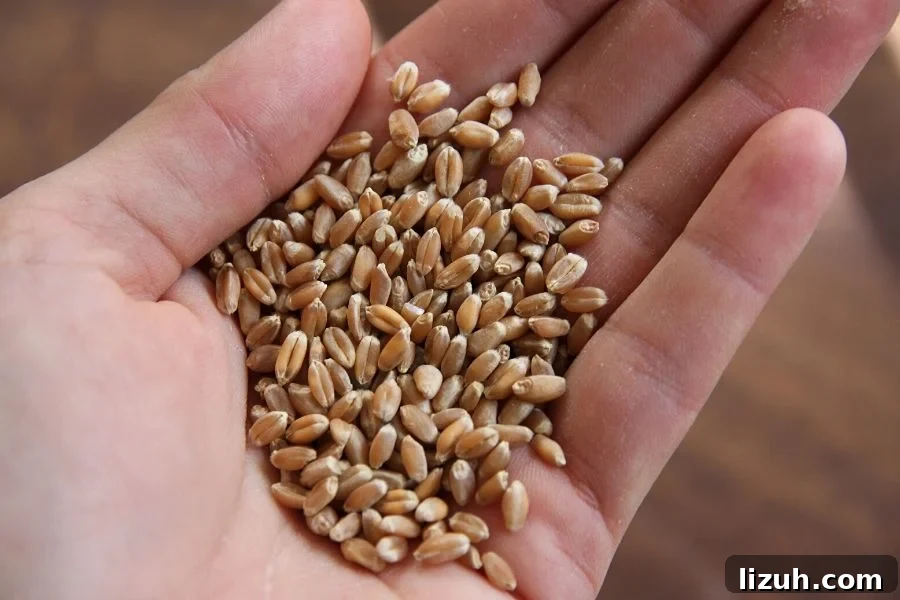
Learn how to mill your own flour at home with practical tips and clear guidance to get you started with whole grain baking in your kitchen.
What is Home Milled Flour?
Home milled flour is simply wheat berries (whole wheat kernels) ground in a kitchen mill, either electric or manual, into a fine flour. This preserves the whole grain — bran, germ and endosperm — producing a more nutrient-dense flour than most commercial products.
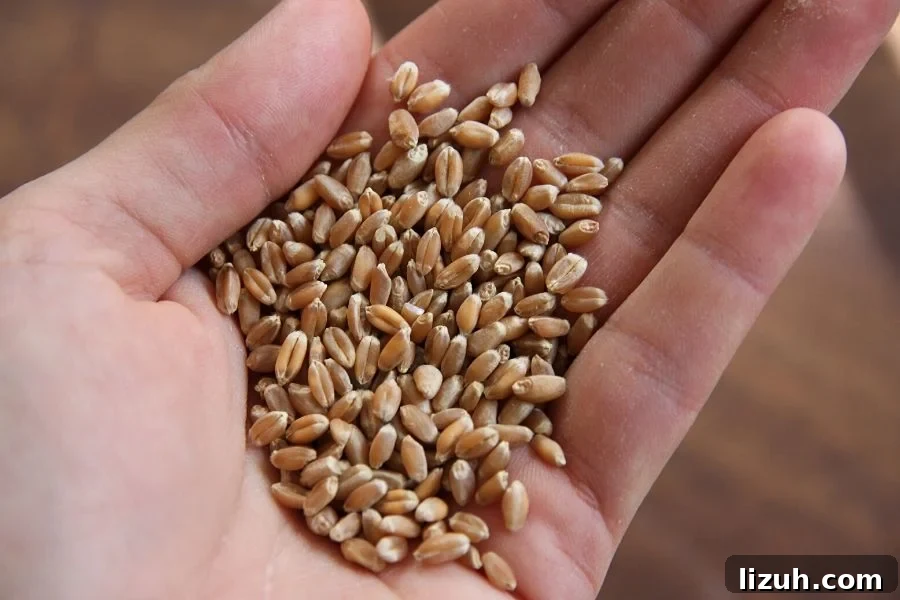
The Difference Between Home Milled and Grocery Store Flour
Because home milled flour comes from whole, unrefined kernels, it retains fatty acids, antioxidants, vitamins, minerals and proteins that are often lost during commercial milling. Many store-bought flours are refined, bleached or stripped of parts of the grain and then “enriched” with some vitamins to replace what was removed.
One practical reason commercial mills refine flour is shelf stability: freshly milled whole grain flour will oxidize and can go rancid within 7–10 days when exposed to air. Refining extends shelf life, but at the cost of nutritional value.
If you value flavor and nutrition, home milling is a straightforward way to bring whole grain baking into your home. Below are helpful tips to make the transition easier.

Where to Find Wheat Berries
Wheat berries are widely available. Many co-ops and bulk food stores carry them in 25–50 lb (11–23 kg) bags. If you live near grain-growing regions, local buy-and-sell groups can be a good resource for finding suppliers or pooling purchases with neighbors.
Some larger suppliers will ship to local pick-up points or offer delivery options, which can reduce cost per pound when ordering in volume.
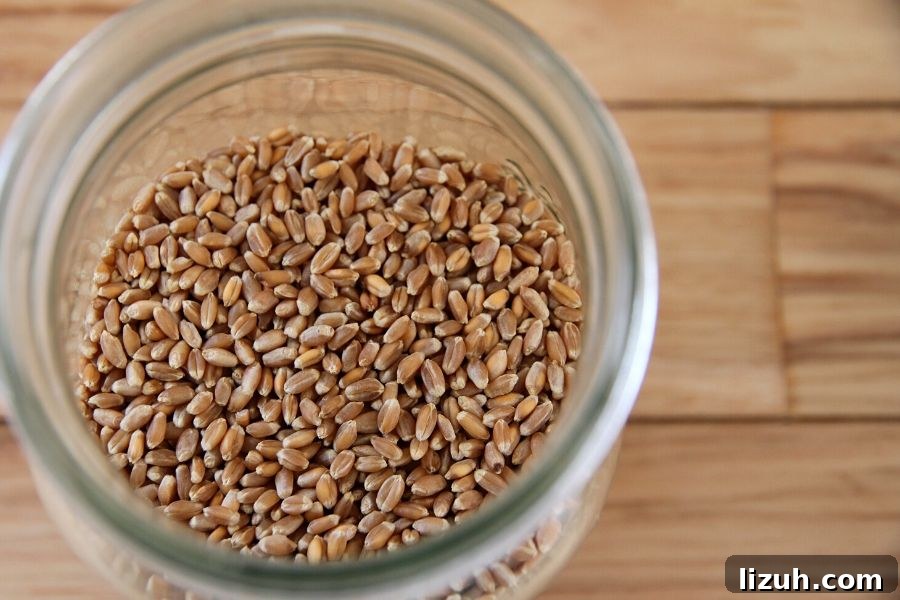
How Much Should I Buy?
Before committing to a large purchase, experiment in your kitchen so you know your family likes the flavor and texture of home milled flour. Once you’re comfortable, buy in bulk if it suits your household’s usage and storage capacity.
As a rough guideline, an average North American adult consumes about 135 lb of flour per year. For a household of two adults and one or two young children, roughly 300 lb for a year is a reasonable starting point. Adjust up or down based on your actual consumption.
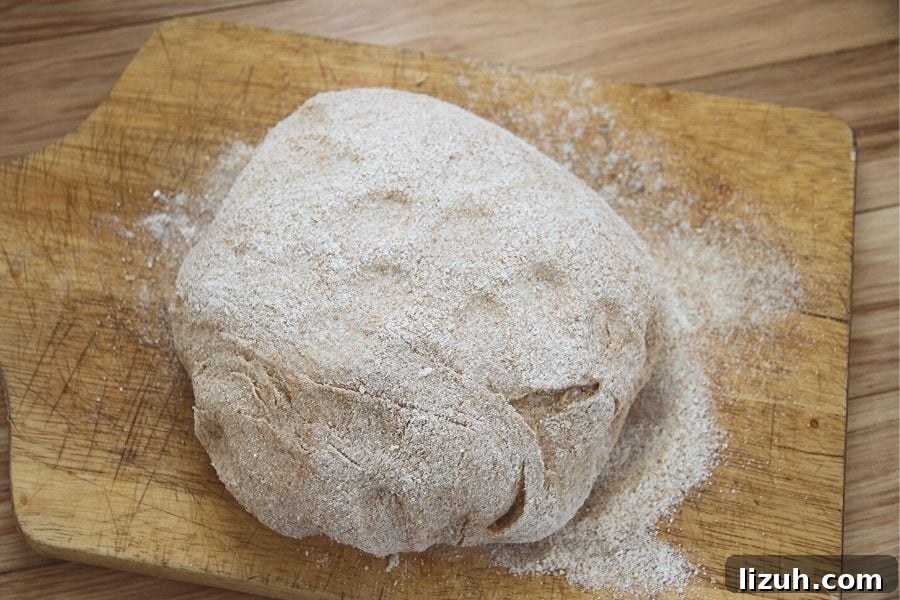
How to Store Wheat Berries
Stored correctly, wheat berries will keep for 1–2 years. Keep them in a cool, dry place and protect them from pests and moisture. Food-grade, lidded 5-gallon buckets or airtight plastic totes work well for bulk storage.
Flour Mill Machines for Your Home
If you’re curious but uncertain, start with a simple mill. There are manual and small electric models that let you try home milling without a major investment. Some people use heavy-duty grain grinder attachments for stand mixers; others prefer countertop mills that offer variable grind settings and finer results. Consider your budget, how much you’ll mill, and how fine you want the flour.
You can also use mills to process other grains and oats at home, preserving nutrients and flavor.

How to Store Fresh Flour
Freshly milled flour is best used quickly, but if you prefer to mill in batches, portion the flour into bags and freeze what you won’t use within a week. Freezing prevents oxidation and rancidity and preserves flavor and nutrients.
Substituting Home Milled Flour in Your Recipes
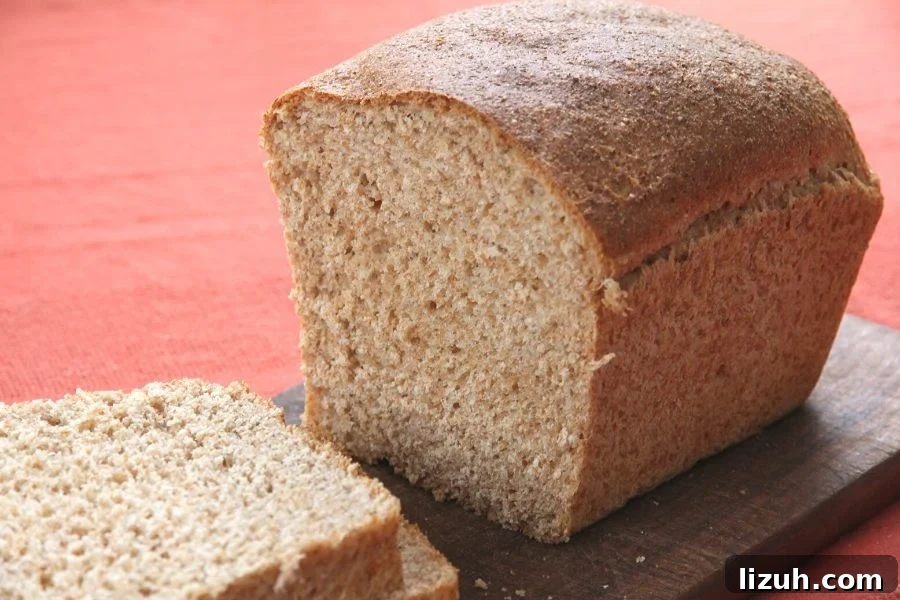
When introducing home milled flour into recipes, start gradually. Blend home milled and white flour (for example, 50/50) while you become accustomed to the taste and dough behavior. Over time you can increase the proportion of whole grain flour as your recipes and palate adapt.
In Conclusion
Switching to home milled flour can require an adjustment, especially if your family isn’t used to more whole-grain texture and fiber. Digestive changes are common for a few weeks as your body adapts. With a gradual transition and proper storage, home milled flour offers fresh flavor and improved nutrition for everyday baking.