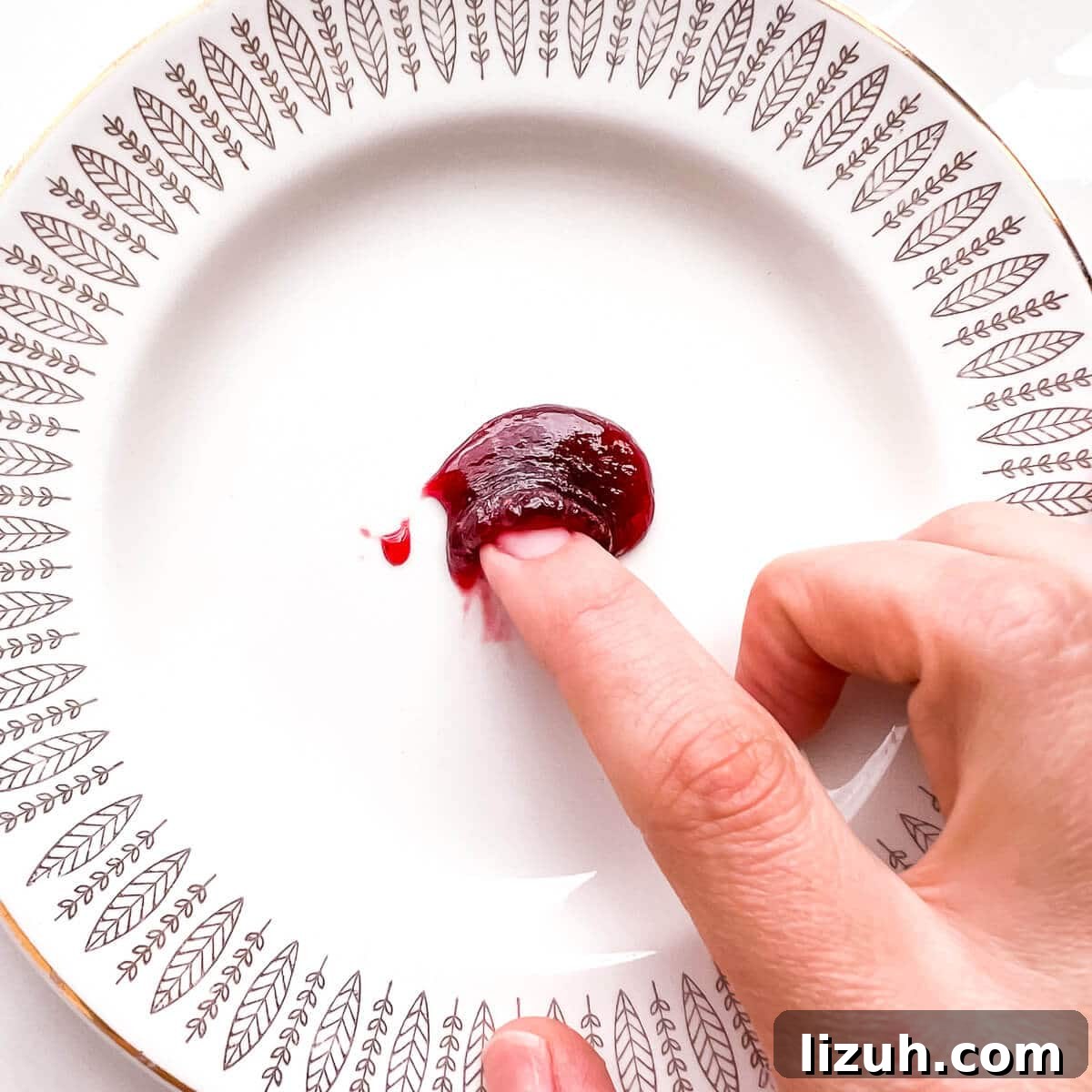
One of the most important steps in making homemade jams and marmalades is boiling the fruit and sugar long enough that the mixture will set once cooled. A properly set jam is thick, spreadable and full of flavour; undercooked jam will be watery, runny and bland. Below are reliable methods and practical tips to tell whether your jam has reached the right set so your next batch turns out perfect.
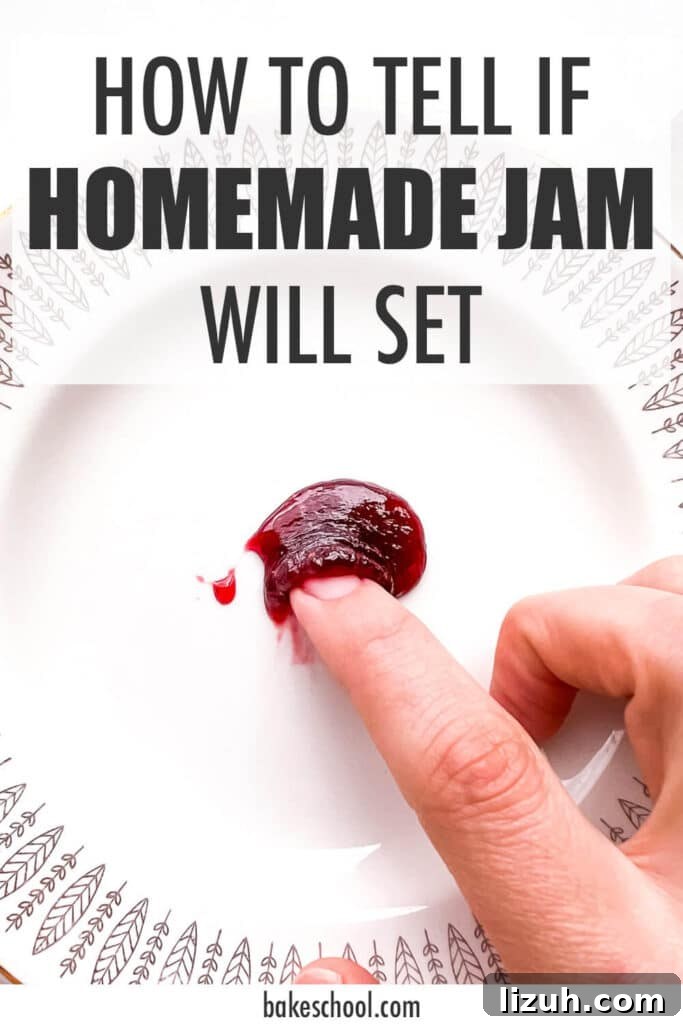
It’s frustrating to invest time in homemade jam only to find a jar of thin, runny preserves. Understanding what causes a jam to be loose, how to achieve a proper set, and how to test for it before bottling will help you avoid that problem.
What makes jam set
Jam is essentially fruit and sugar transformed into a gel. Three key factors control whether it will set:
- Sugar – sugar is hygroscopic and helps draw and hold water.
- Pectin – a natural polysaccharide in many fruits that forms a network with water and creates the gel structure.
- Evaporation – boiling reduces the free water in the mixture so pectin and sugar can trap the remaining liquid.
Learn more
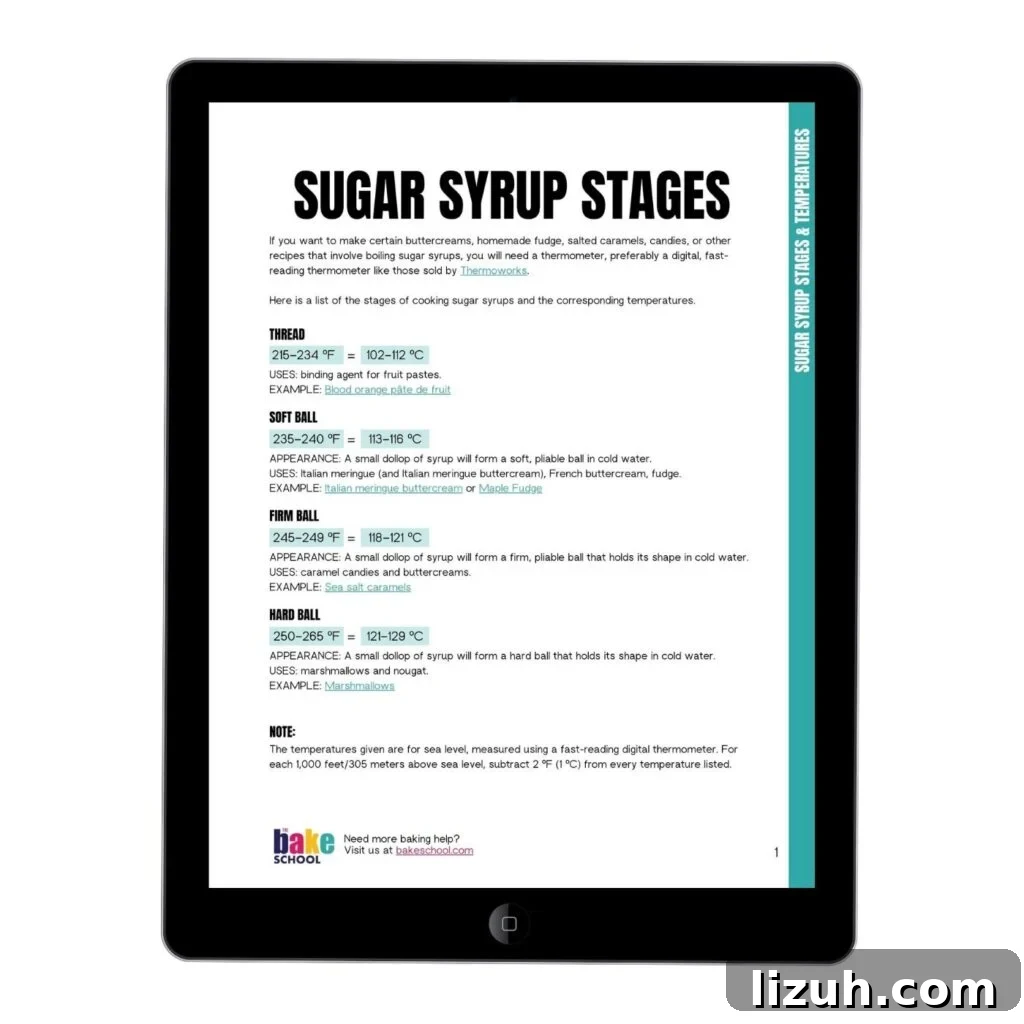
Jam is basically a sugar syrup with fruit. Temperature affects texture — concentrating the syrup by evaporation is what produces a firm set.
The goal is to concentrate the fruit and sugar by evaporation and then trap the remaining water so the jam holds its shape and texture.
Pectin content in fruit
Fruit vary widely in natural pectin. Ripeness also matters: slightly under-ripe fruit typically contain more pectin than fully ripe fruit because pectin breaks down as the fruit ages. If you buy overripe fruit, consider mixing it with firmer fruit or adding a high-pectin ingredient to improve the set. Otherwise you may need to add commercial pectin or combine fruits to reach the desired texture.
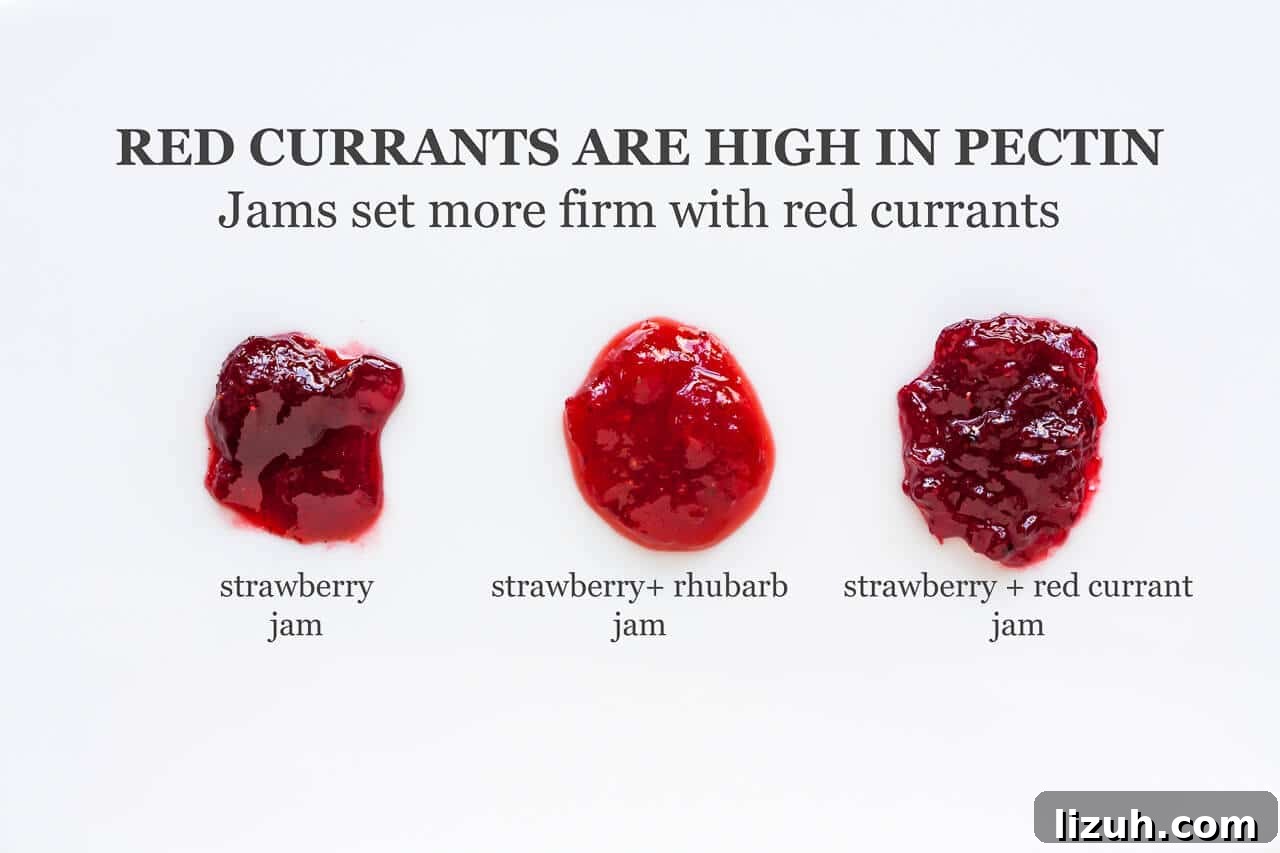
Common high-pectin fruits:
- Apples
- Citrus (peel and pith)
- Currants
- Cranberries
- Plums
- Quince
Common low-pectin fruits:
- Apricots
- Blueberries
- Cherries
- Peaches and nectarines
- Strawberries
- Rhubarb
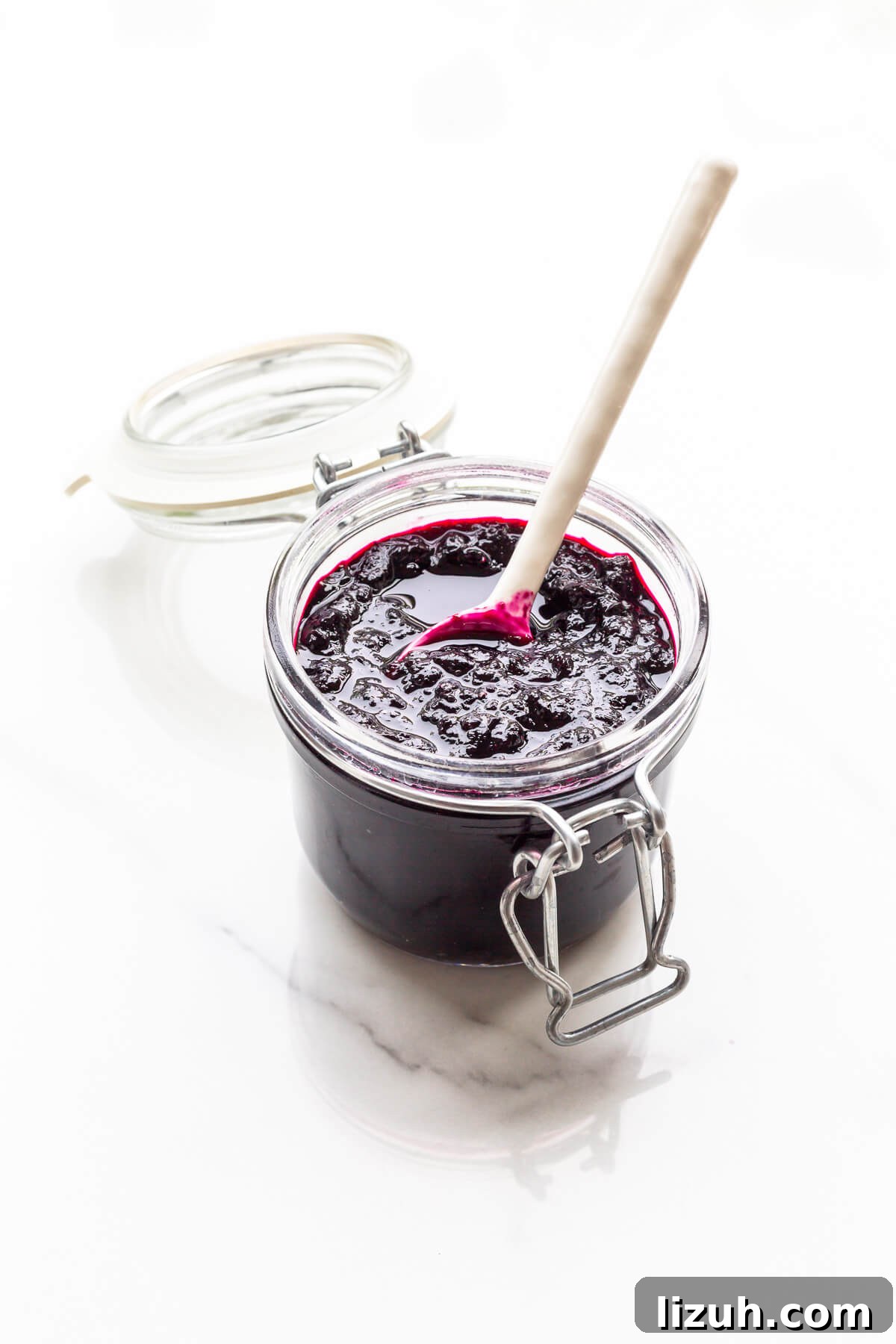
Why jam doesn’t set
A loose jam can be disappointing and impractical. Typical causes of a jam failing to set are:
- Not enough sugar – use one part sugar to two parts fruit by weight (for example, 500 g sugar for 1 kg fruit).
- Not enough pectin – use a mix of ripe and slightly underripe fruit or add high-pectin fruit.
- Insufficient boiling – too much water remains in the mixture.
- Temperature not high enough to reach the jam setting point (around 104 °C / 220 °F).
In short: you must evaporate enough water and trap the rest with pectin and sugar. If you don’t, the jam will remain watery.
Ways to determine set
Experienced cooks use several tests to judge whether jam is done. Below are the most reliable and easy-to-use methods.
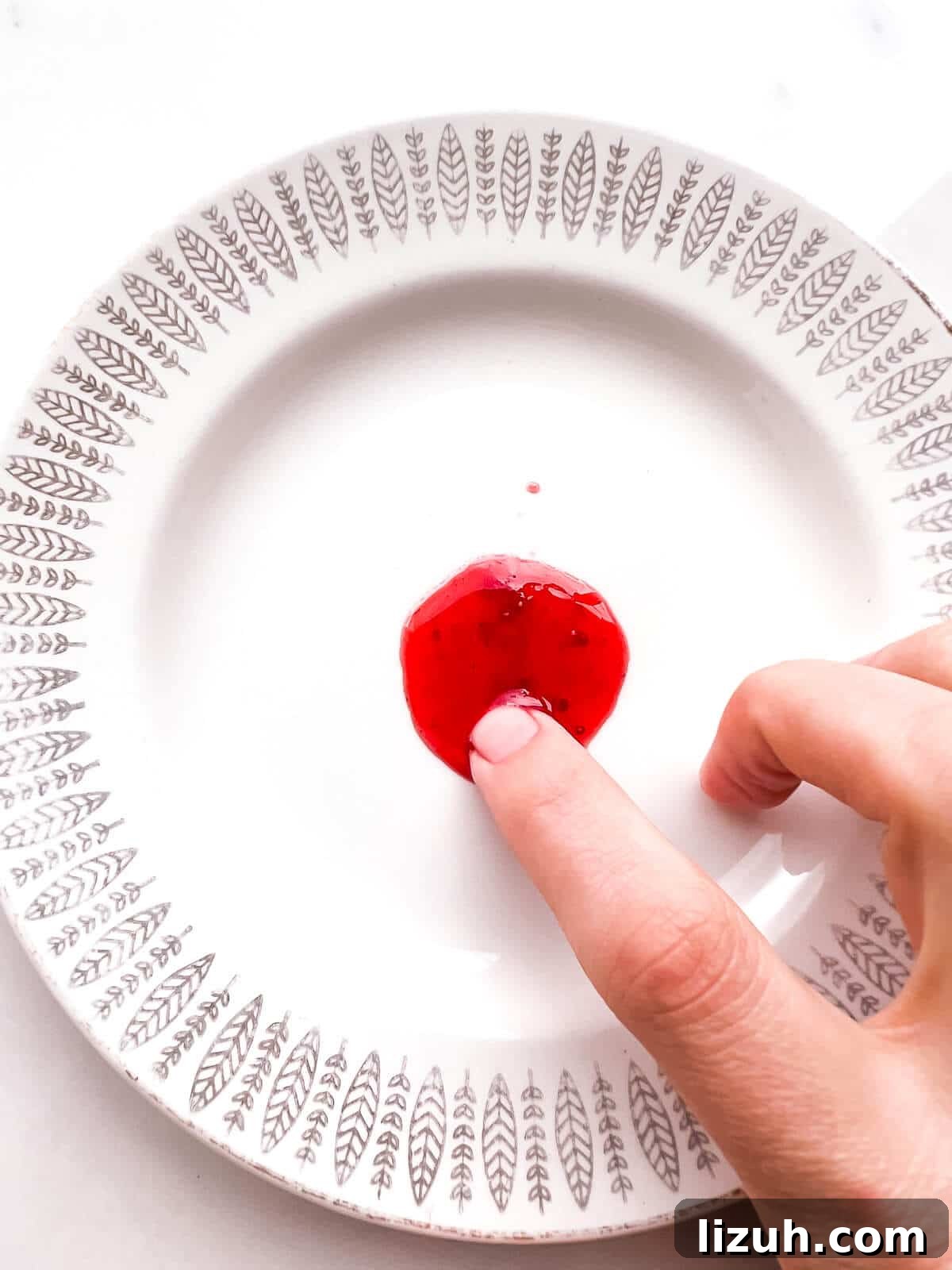
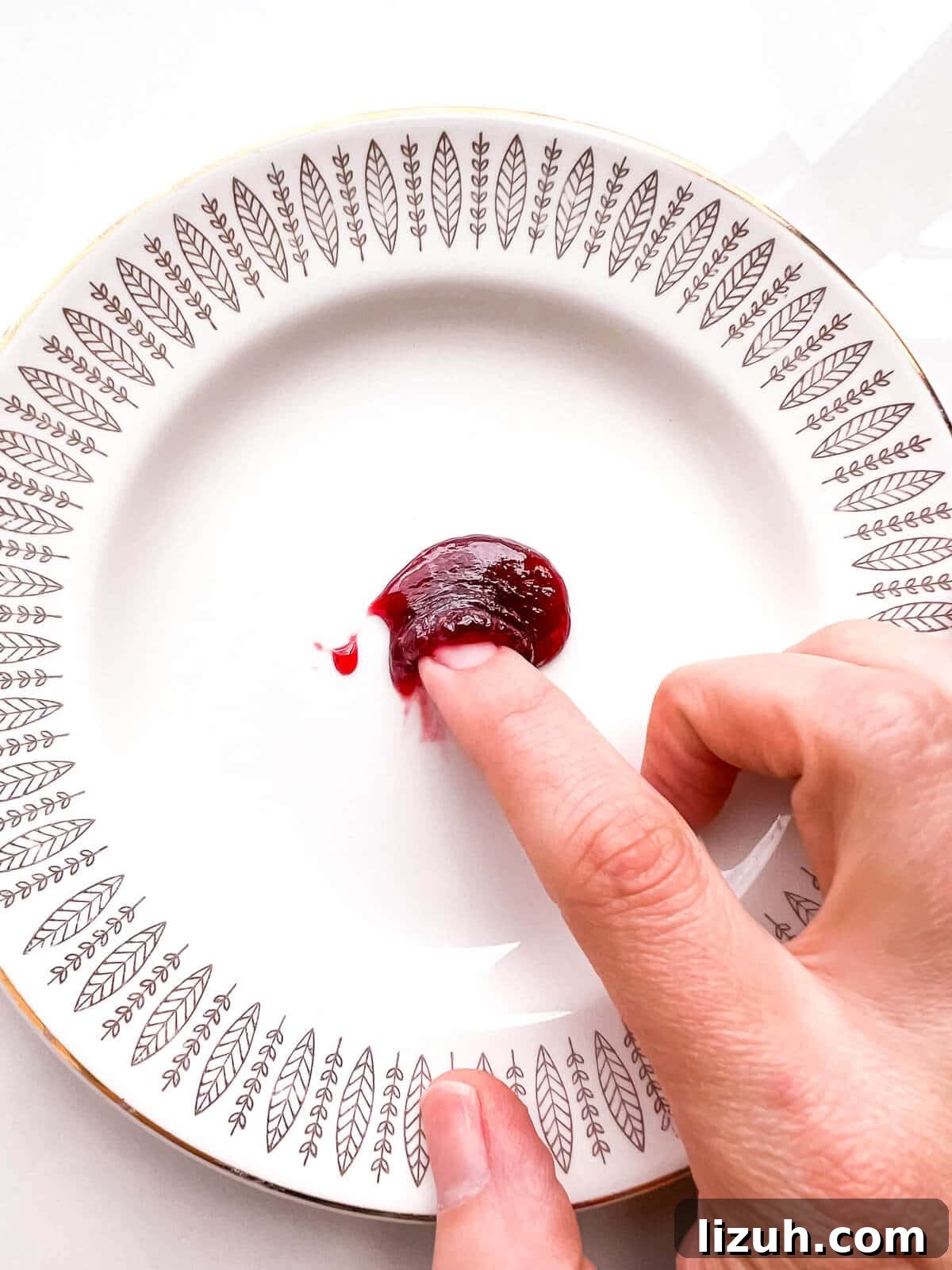
The freezer plate test
This classic method is simple and dependable:
- Freeze a few side plates overnight.
- When you want to test the jam, remove a frozen plate from the freezer.
- Spoon a small dollop of the hot jam onto the plate and return the plate to the freezer for 1–2 minutes to cool the sample.
- Remove the plate and gently nudge the edge of the jelly with your fingertip.
- If the surface wrinkles and the sample holds its shape, the jam has likely reached the set. If it remains shiny and fluid and doesn’t wrinkle, it needs more boiling.
- If it fails, continue boiling and test again at intervals until it passes.
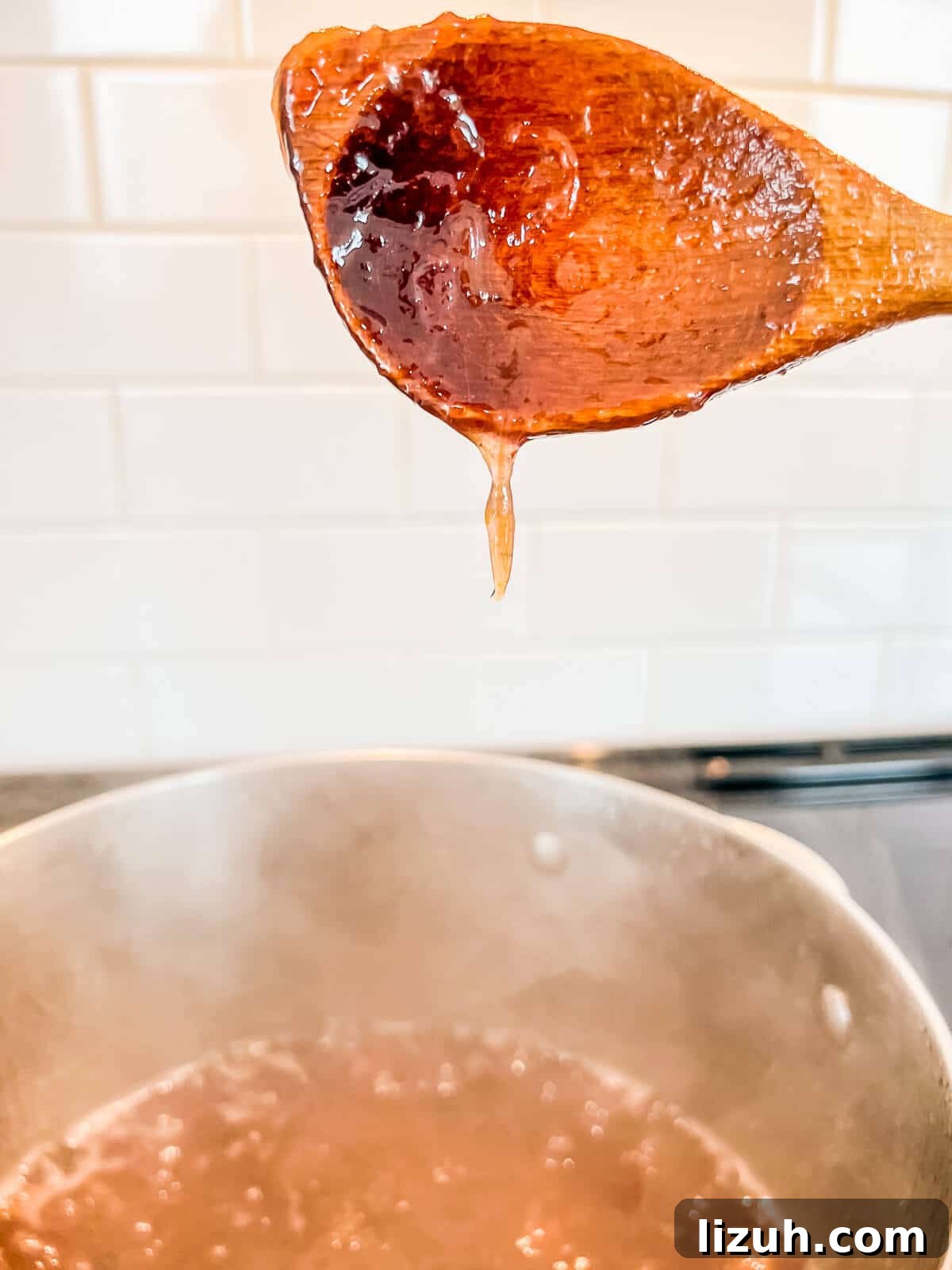
The sheet test
Lift a wooden spoon or spatula high above the pot so the jam cools slightly as it falls. Watch how it drips: a well-reduced jam will cling and fall in thick ribbons or sheets, while a loose jam will stream off like syrup. This visual and tactile cue is quick and effective.
Watching the bubbles
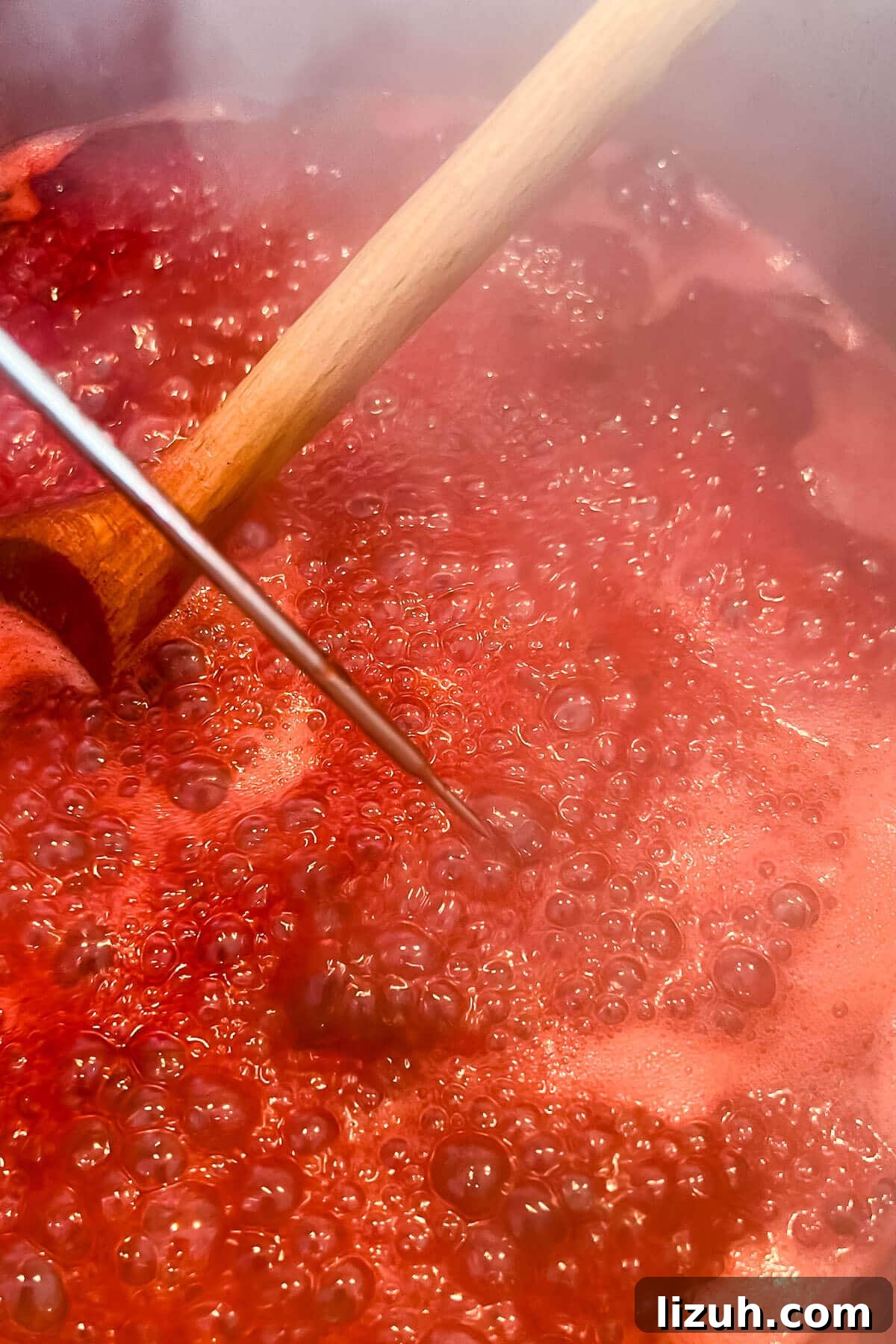
Observing the bubble behavior as the jam boils is a valuable indicator. At first the mixture yields quick, volatile bubbles. As water evaporates and the syrup concentrates, bubbles become larger and more stable, remaining on the surface rather than popping instantly. Over time you’ll learn to recognize the difference between a watery boil and a jam that’s nearly ready.
Monitoring temperature — the jam setting point
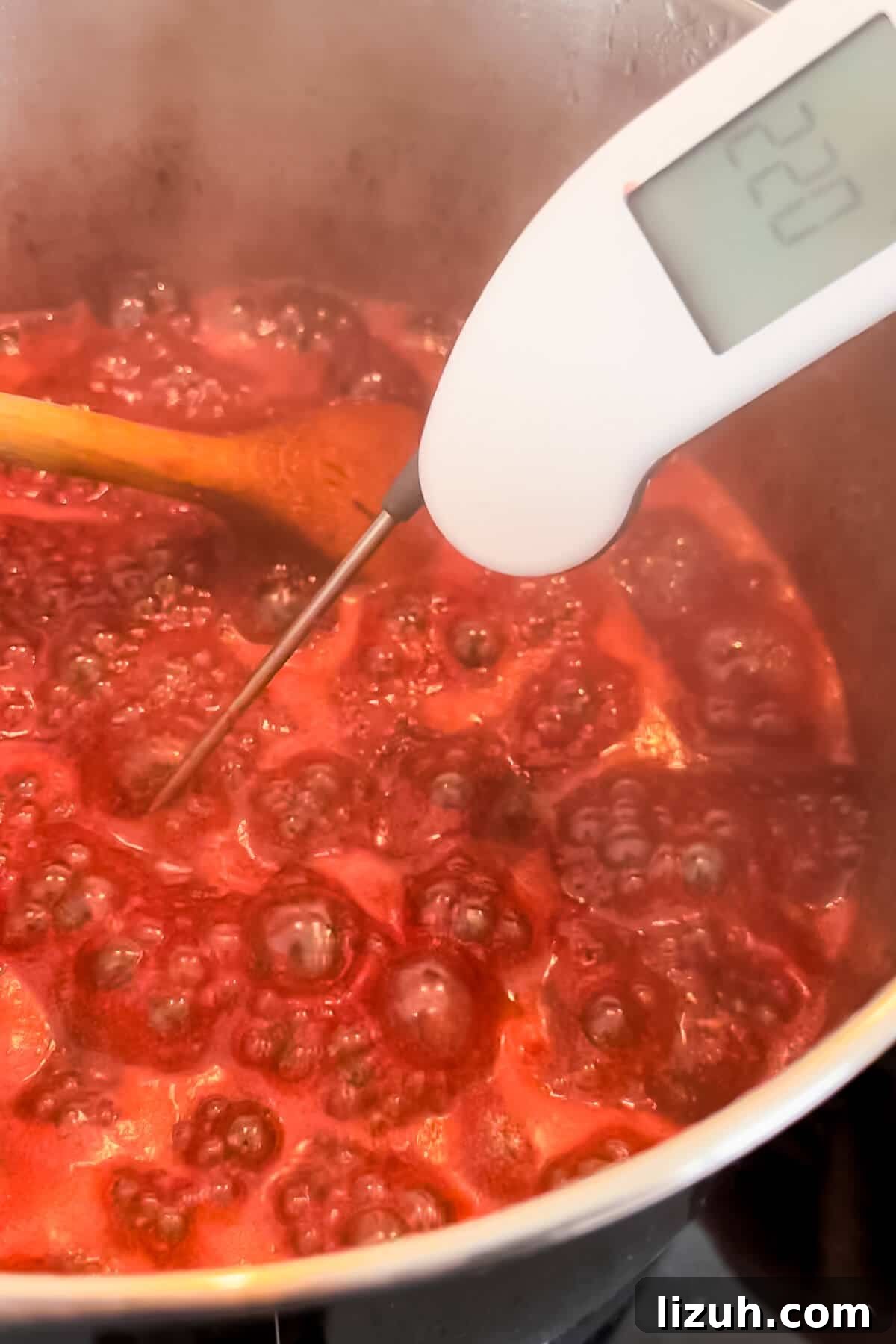
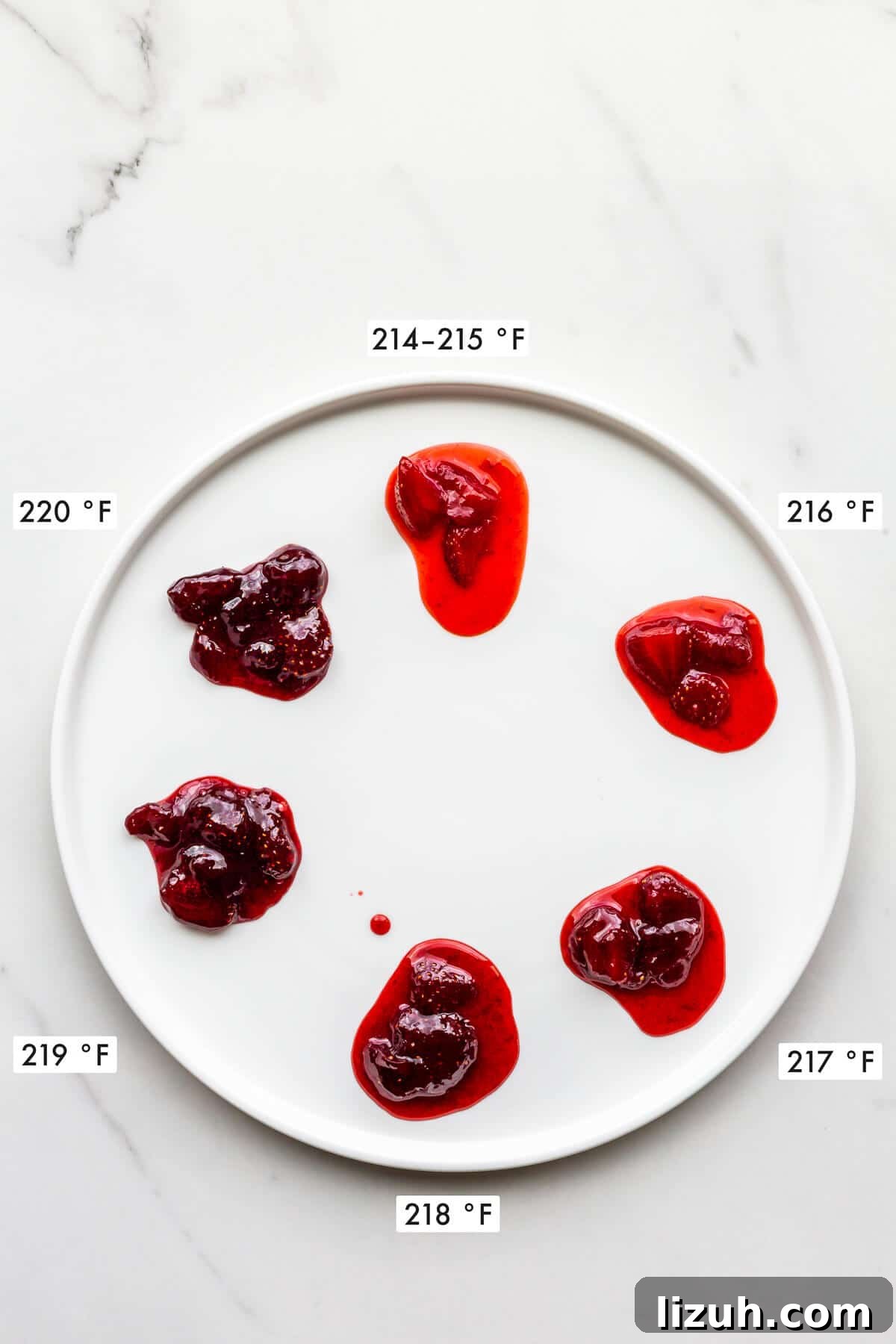
Temperature can be a helpful guide for beginners. The jam setting point is usually cited around 104 °C (220 °F). Relying solely on a thermometer has pitfalls: slow or uncalibrated thermometers can mislead and cause overcooking, while failing to hold the temperature long enough can result in undercooked jam.
Use temperature as one tool among others. If your thermometer reads about 213 °F, the mixture is still too fluid. Around 218 °F you’re approaching the setting point and should watch carefully. Combine temperature checks with the plate, sheet and bubble observations to make the best judgment.
When to ignore the jam setting temperature
Sometimes visual cues and tests indicate a jam is done before or slightly after the nominal temperature. If the sheet test, bubbles and plate test show a good set, you can stop even if the thermometer is a bit below the target. As a rule, aiming for 218–220 °F yields a reliably firm gel, but slight adjustments are acceptable when other indicators confirm readiness.
A trick for improving jam set
Add a high-pectin fruit
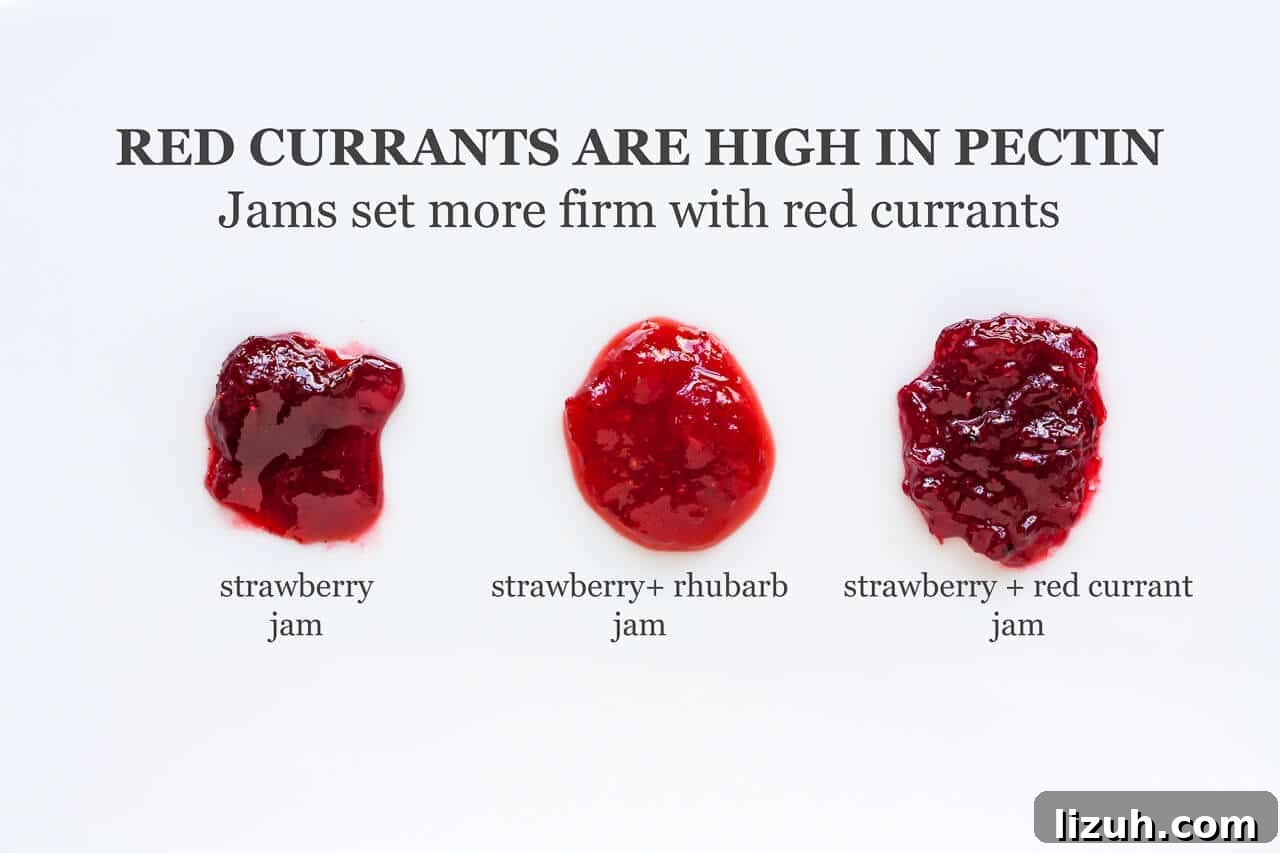
If you’re working with overripe or low-pectin fruit, add a high-pectin ingredient. Apples and citrus are excellent choices: a chopped apple cooked with the jam can dramatically improve set because apples are rich in pectin. Citrus peel and pith also contribute pectin but should be softened by pre-cooking if using larger pieces. Combining low-pectin fruits like strawberries or rhubarb with red currants or apples helps the mixture gel more readily.
Also be mindful of sugar — reducing sugar from a recipe usually produces a looser jam. For reliable results, weigh your prepared fruit and use half that weight in sugar (two parts fruit to one part sugar by weight).
Tip: Weigh washed, trimmed fruit. Use half that weight in sugar. Marmalades typically use closer to equal weights of fruit and sugar, but jam generally uses two parts fruit to one part sugar.
Adding water to make jam
You generally do not need to add water when making jam. Most fruits contain over 90% water, and sugar will draw out that moisture to form the syrup. Adding water is unnecessary and can prolong boiling and risk an under-set jam; rely on the fruit’s natural juices instead.
Frequently asked questions
Most jam recipes do not require added pectin if you use the correct sugar ratio, combine fruits with sufficient natural pectin, and boil long enough. Add pectin or a high-pectin fruit if you are working with very low-pectin produce or overripe fruit.
Jam sugar contains added pectin and can simplify setting, but it is not necessary. Regular granulated sugar works fine when you follow proper ratios and cooking methods.
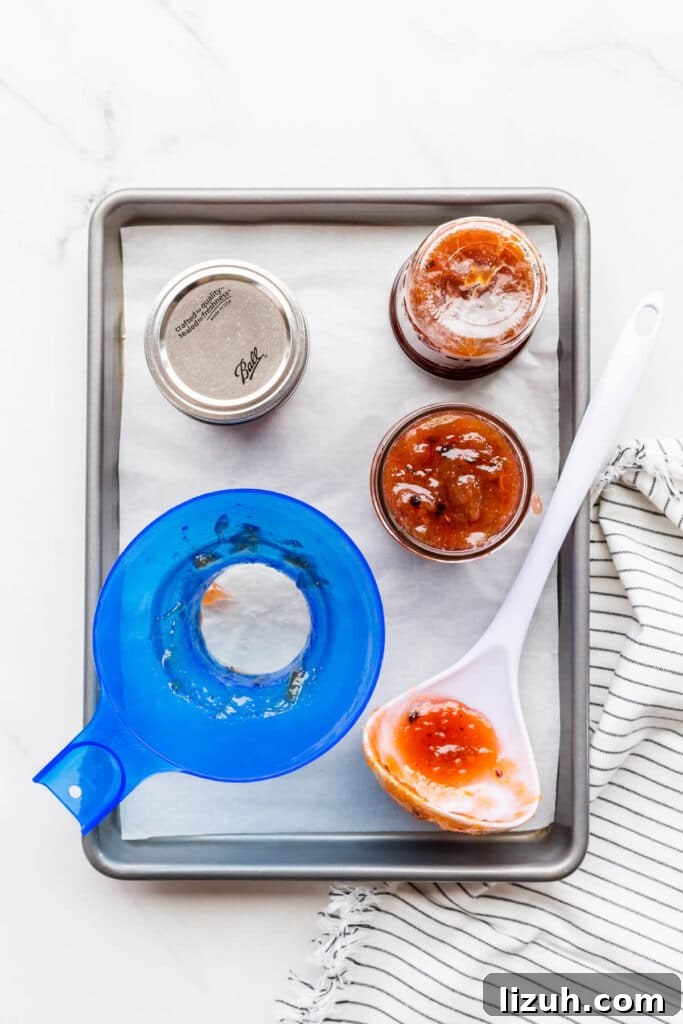
Small batch jam recipes to try
Once you understand how to judge set, practice with small batches. Try recipes that use a variety of fruits and techniques so you learn to recognize textures and temperatures. Working with different fruits will improve your confidence and help you master the tests above.
- Apricot jam (no added pectin)
- Peach jam
- Small-batch rhubarb jam (no pectin)
- Blueberry jam (no added pectin)
- Jalapeño jam (with apple to boost pectin)
- Strawberry and red currant jam
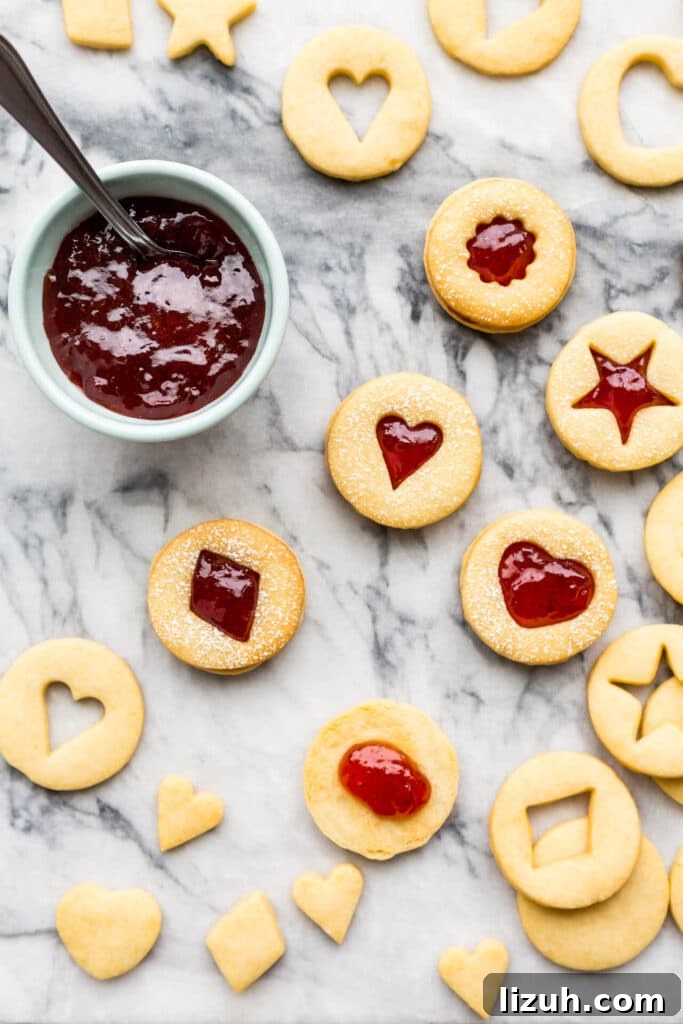
Baked goods made with jam and serving ideas
Homemade jam is versatile—keep jars for yourself and to give as gifts. Use jam as a filling or accompaniment in many baked goods and breakfasts, for example:
- Jam-filled shortbread cookies
- Thumbprint cookies
- Bostock or frangipane-topped pastries
- Scones
- Butter biscuits
- Brioche for sandwiches or toast
With these tests and tips—plate, sheet, bubble observation and temperature—you’ll be better equipped to make jam that sets reliably and tastes delicious every time.