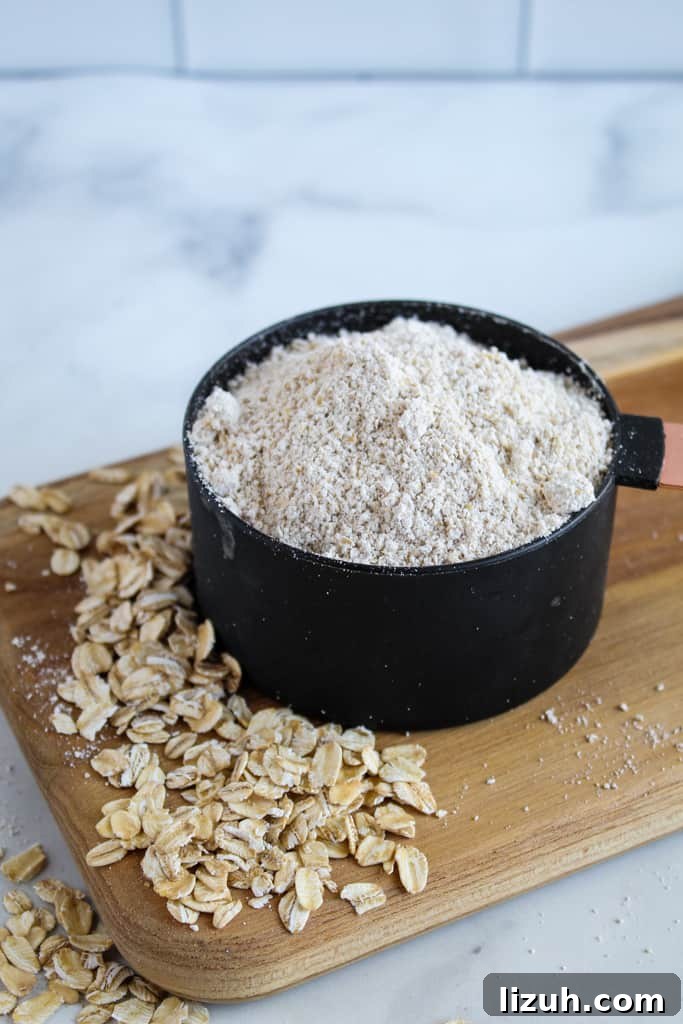
If you’ve explored gluten-free baking, you’ve likely seen oat flour everywhere. It’s a popular gluten-free choice valued for its mild flavor, tender texture, and solid nutritional profile.
Unlike many refined gluten-free flours, oat flour is made from whole oats, so it keeps fiber, protein, and important nutrients that make baked goods more satisfying and wholesome. Oats are linked with heart health, more stable blood sugar, and better digestion. In short, oat flour isn’t just a stand-in—it’s often a superior option.
Table of Contents
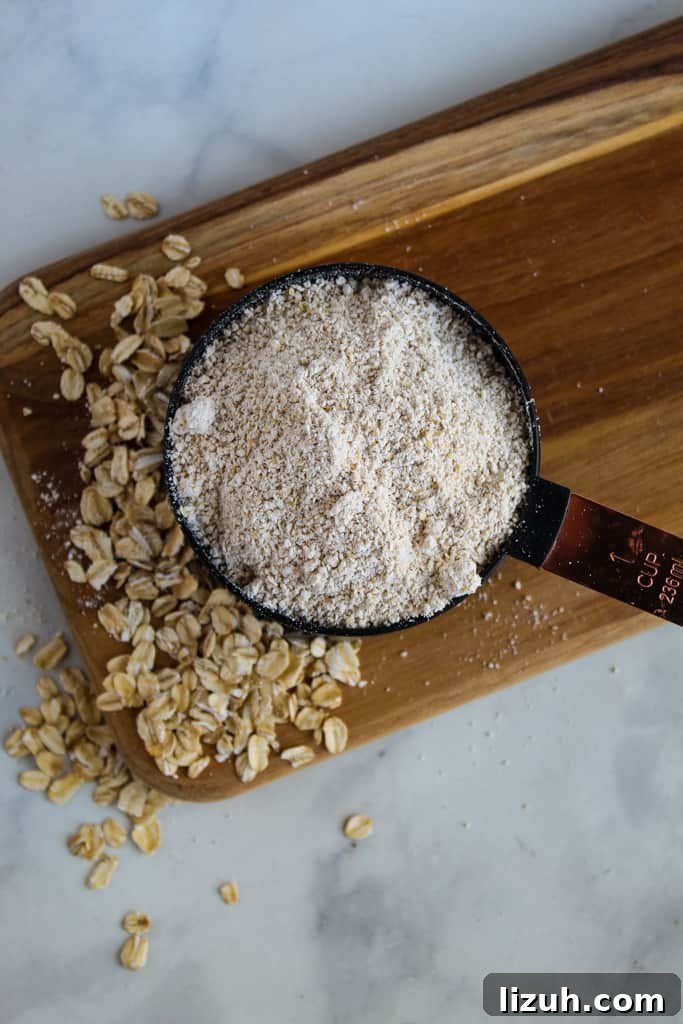
Using oat flour in baking requires some attention. It doesn’t behave like wheat flour: it absorbs liquids differently, contains no gluten, and can produce dense or crumbly results if used alone. Whether you ran out mid-recipe or didn’t get the texture you wanted, knowing good substitutes and how oat flour performs will save you time and frustration.
This guide explains what makes oat flour special and outlines the best gluten-free substitutes so you can choose a suitable replacement with confidence.
What Makes Oat Flour Unique in Baking?
Oat flour contains no gluten, the protein that gives wheat-based doughs elasticity and structure. That means oat flour alone won’t trap air and create a chewy crumb. Instead, it contributes softness and moisture, producing tender, slightly dense results.
A key trait of oat flour is its water retention. It yields moist, tender baked goods—ideal for muffins, pancakes, and quick breads where dryness is a common gluten-free problem. Oat flour also has a mild, slightly sweet flavor that enhances recipes without dominating them.
Because it lacks gluten’s structure, oat flour is often combined with eggs, starches, or binding agents like xanthan gum or psyllium husk in recipes that need lift and stability.
Different Types of Oats + Their Uses
Oats come in several forms that affect texture and processing. All start as whole oats, but processing creates the varieties you buy. For homemade oat flour, rolled (old-fashioned) oats are generally the best choice.
Steel-Cut Oats
Steel-cut oats are minimally processed and chopped into coarse pieces. They’re excellent for hearty porridge but too coarse to make a smooth oat flour without extensive grinding.
Rolled Oats (Old Fashioned Oats)
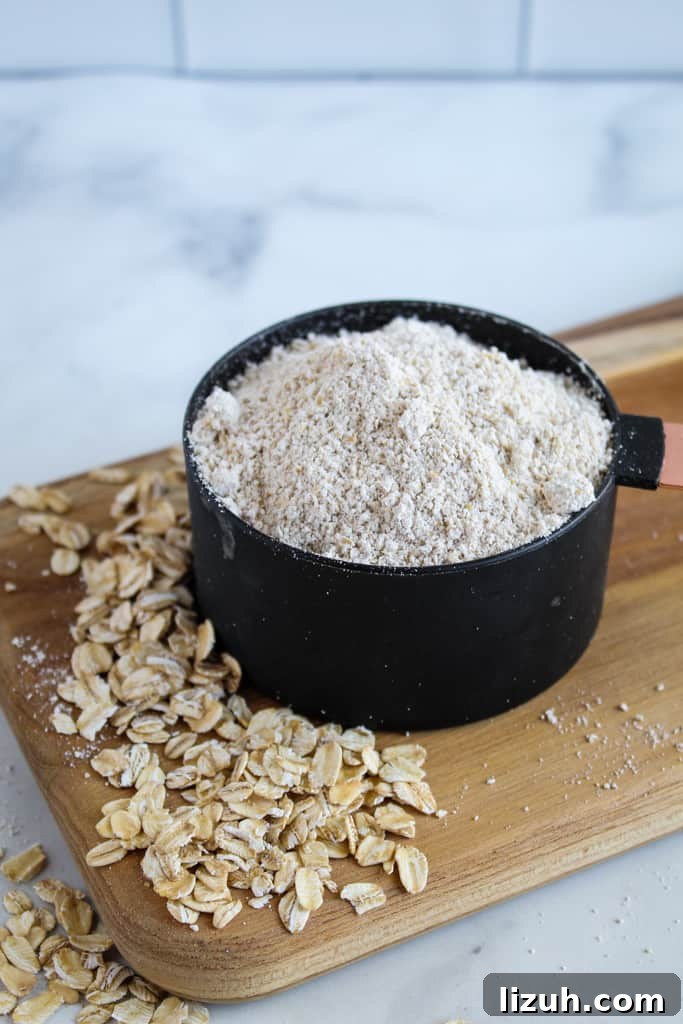
Rolled oats are steamed and flattened, which makes them easier to process into a fine flour. They’re my top pick for homemade oat flour and a versatile pantry staple for baking and breakfast.
Quick Oats
Quick oats are thinner and more processed than rolled oats so they cook faster. They can work for softer baked items with short bake times.
Instant Oats
Instant oats are highly processed and often pre-cooked; they’re convenient for instant oatmeal but can contain additives that make them less ideal for oat flour.
Whole Oat Groats
Whole oat groats are the least processed form and are best used when you want whole-grain texture rather than a finely ground flour.
Making Homemade Oat Flour
Making oat flour at home is quick: use a food processor or high-speed blender to grind rolled oats until they form a fine powder. For the smoothest result, pulse up to several minutes and sift through a fine mesh to remove larger pieces.
Store homemade oat flour in an airtight container in a cool, dry place for short-term use, or refrigerate to extend freshness.
Tip: Sifting produces a powdery oat flour better suited for delicate cakes and pastries.
Why You Might Need an Oat Flour Substitute
Oat flour is useful but not always appropriate. Common reasons to seek substitutes include gluten contamination concerns, allergies or intolerances, desire for a different texture, or simply running out mid-recipe. Depending on dietary goals—grain-free, low-carb, or other needs—you may prefer a different flour.
Choosing the right substitute means matching the role oat flour plays in a recipe—moisture, structure, or flavor—rather than swapping flour blindly.
Best Gluten-Free Oat Flour Substitutes
No single substitute fits every situation. Below are reliable alternatives and where they work best.
Almond Flour
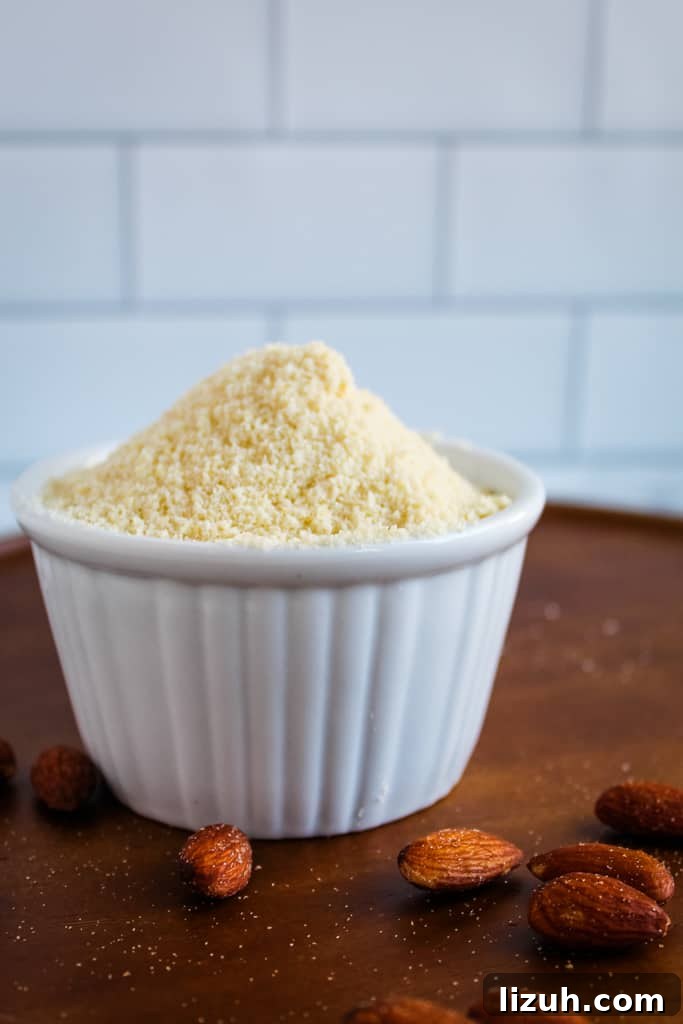
Almond flour is made from finely ground blanched almonds. It adds moisture and richness with a mild nutty flavor and works well in cookies, muffins, and cakes.
- Adds moisture and richness
- Slightly nutty flavor
- Great in cookies, muffins, and cakes
Buckwheat Flour
Buckwheat is naturally gluten-free and brings an earthy flavor and good structure, making it a strong choice for pancakes and rustic baked goods.
- Earthy flavor
- Offers better structure than oat flour
- Ideal for pancakes and hearty breads
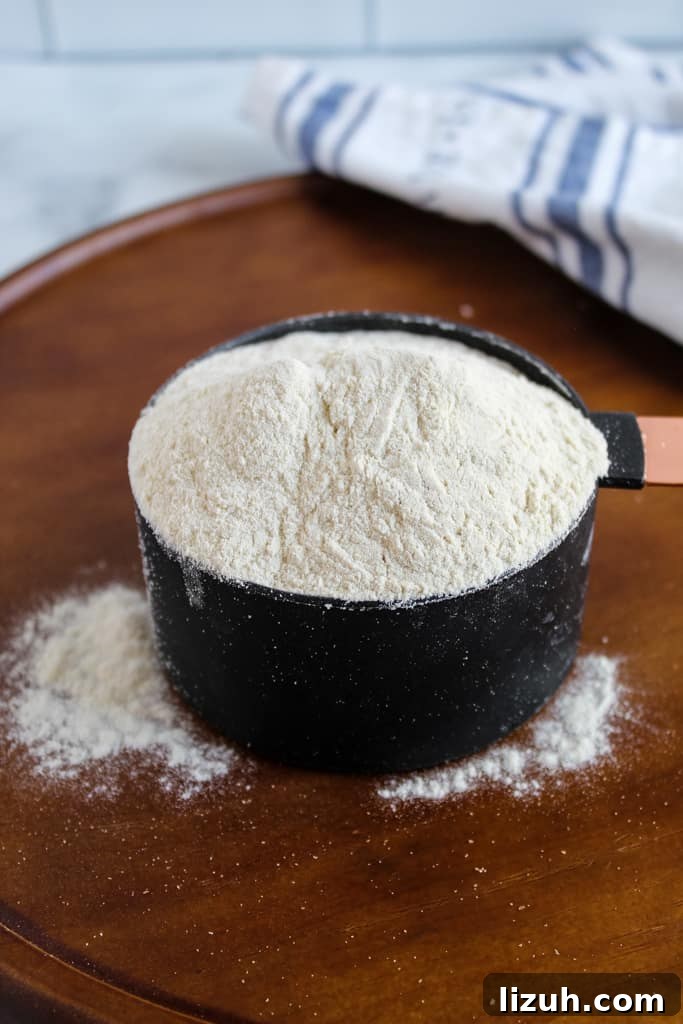
Rice Flour
Rice flour is neutral and widely available. It yields a light texture but can be slightly gritty alone, so it’s best used in blends.
- Light texture
- May feel slightly gritty by itself
- Works well combined with other flours
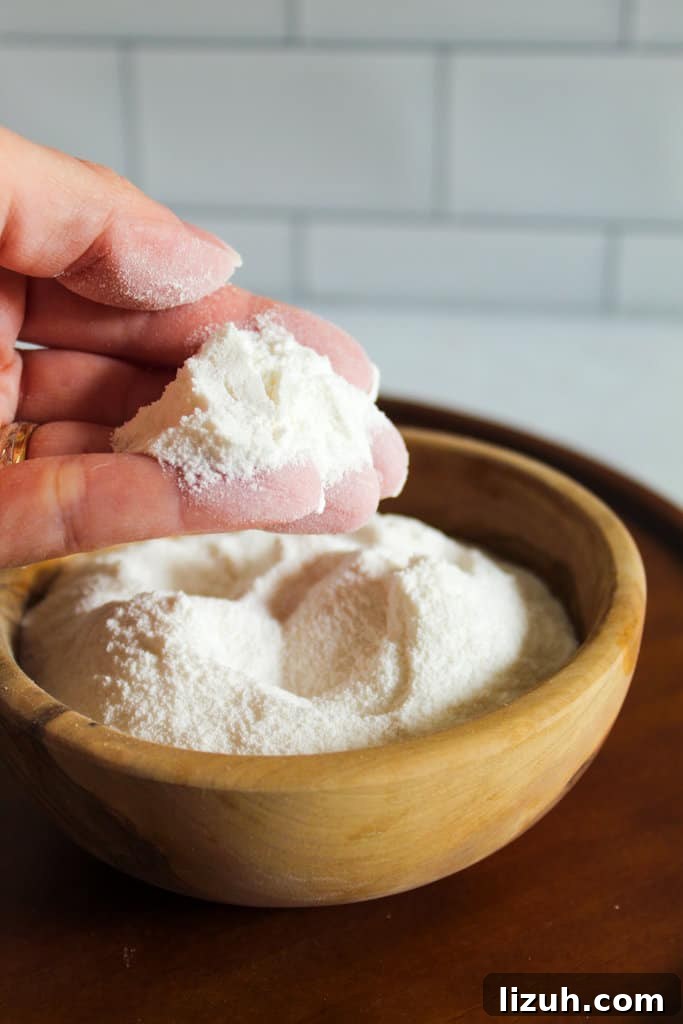
Coconut Flour
Coconut flour is highly absorbent and differs greatly from oat flour. It adds mild sweetness but requires much more liquid and is best used sparingly or in blends.
- Very absorbent—needs more liquid
- Mildly sweet
- Use in small quantities or blends
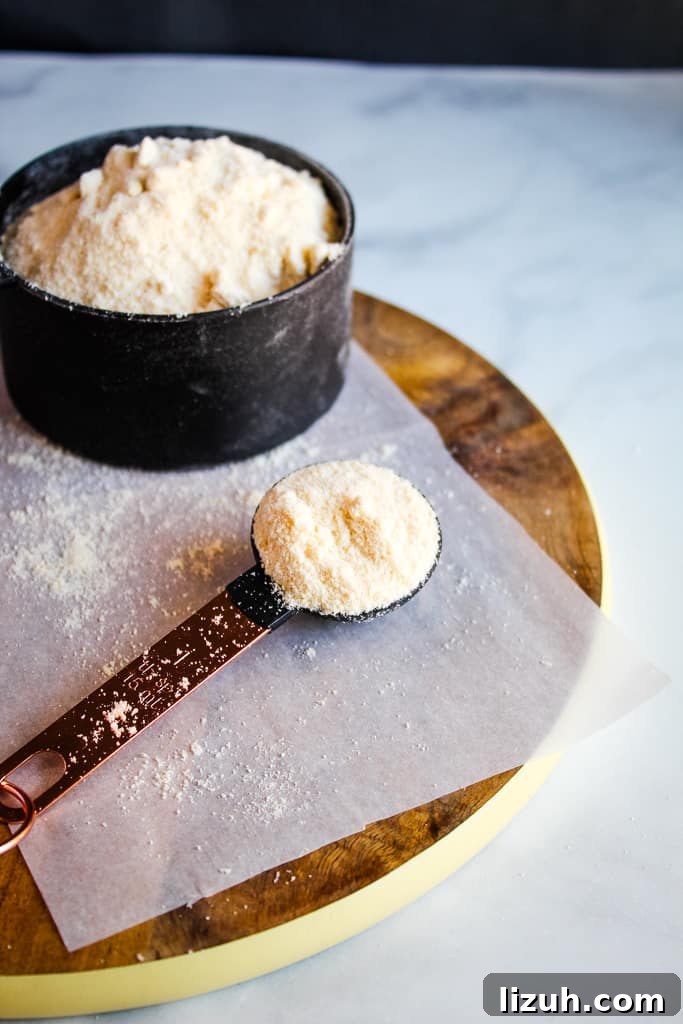
Cassava Flour
Cassava flour is grain-free with a smooth texture and neutral flavor. It binds well and works in many baking applications as a versatile substitute.
- Neutral flavor
- Good binding properties
- Versatile in baking
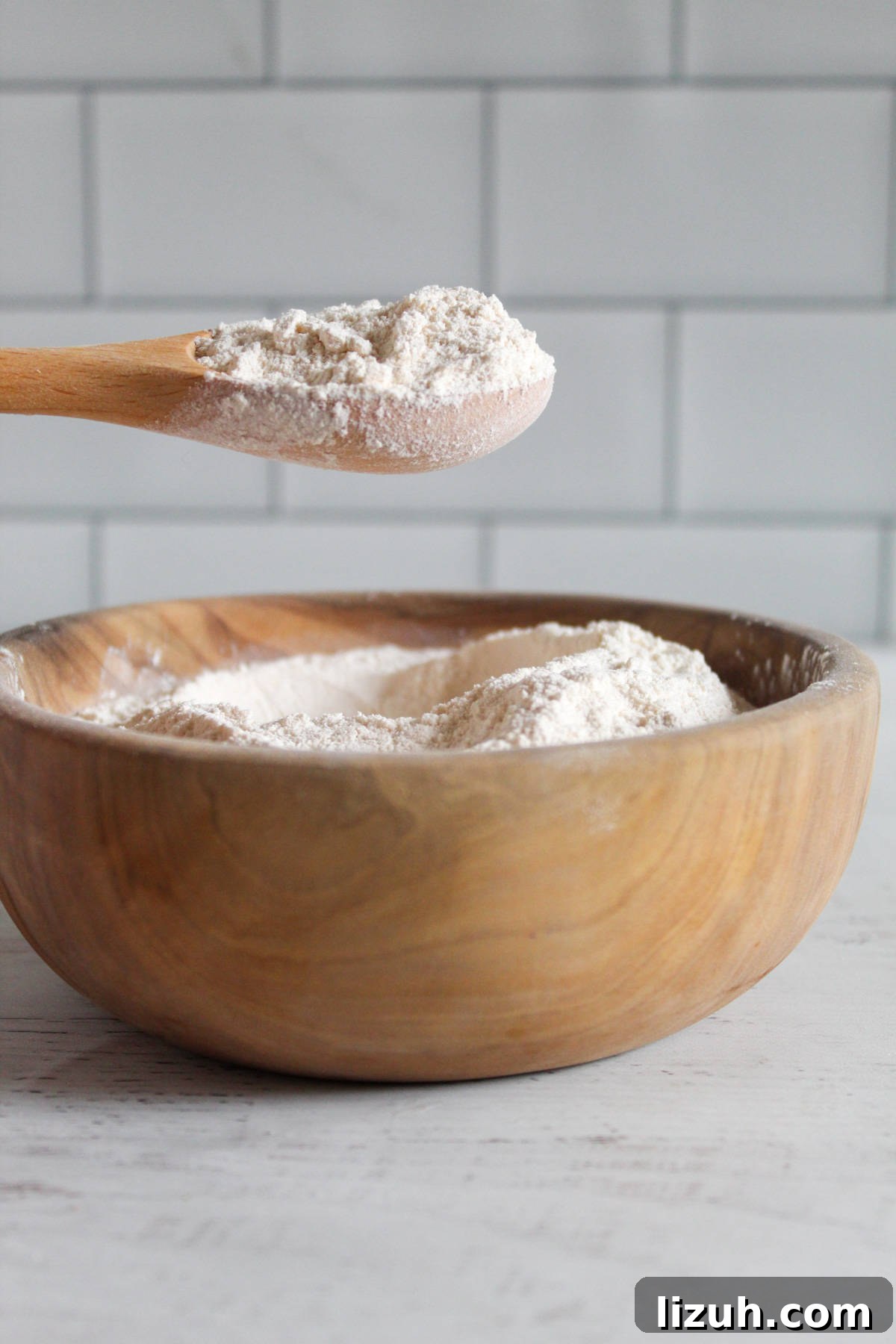
Choose a substitute based on whether you need moisture, structure, or a certain flavor profile from the flour.
Substitution Ratios
Match the substitute to the recipe and adjust liquid as needed. General guidelines:
- Almond Flour: 1:1 (may need a bit more liquid)
- Buckwheat Flour: 1:1
- Rice Flour: 1:1 (may need slightly less liquid)
- Coconut Flour: 1:4 (use 1/4 cup coconut flour for every 1 cup oat flour; increase liquids)
- Cassava Flour: 1:1 (may require more liquid)
Note: Oat flour absorbs a moderate amount of liquid. More absorbent flours like coconut require added liquid, while less absorbent flours may need a reduction. Even with 1:1 swaps, add the substitute gradually and adjust for desired batter texture.
Texture & Flavor Comparison
Different flours change texture and taste. Use this overview to pick the best substitute for your goal.
| Flour | Texture | Flavor | Best Use |
|---|---|---|---|
| Oat Flour | Soft, slightly dense | Mild, slightly sweet | Muffins, pancakes |
| Almond Flour | Moist, tender | Nutty | Cookies, cakes |
| Buckwheat | Dense, hearty | Earthy | Pancakes, bread |
| Rice Flour | Light, slightly dry | Neutral | Blends |
| Coconut Flour | Dry, absorbent | Slightly sweet | Specialty baking |
| Cassava | Smooth, elastic | Neutral | Versatile |
Common Mistakes When Replacing Oat Flour
Even experienced bakers make predictable errors when swapping flours. Being aware of them helps avoid disappointing results.
Assuming a 1:1 Swap Always Works
Flours behave differently. Coconut flour in particular can break a recipe if substituted 1:1. Use recommended ratios and follow recipe notes for substitutes that the author has tested.
Ignoring Moisture Levels
Watch batter consistency while mixing. Oat flour holds moisture well; swapping without adjusting liquids can lead to dry or gummy textures.
Tip: Let batters rest 5–10 minutes—some flours absorb liquid over time and the texture may change before baking.
Forgetting About Structure
Without gluten, structure must come from eggs, binders, or secondary flours. Follow the recipe’s guidance on binders and supporting ingredients for successful results.
Using a Single Flour Instead of a Blend
Many gluten-free recipes perform best with a mix of flours and starches. If you rely on a single flour, expect different texture and structure than a blend provides.
DIY Gluten-Free Flour Blend Recipe
Gluten-free blends combine flours and starches to mimic wheat flour’s protein and binding. No single gluten-free flour perfectly replaces wheat, but a mix comes close.
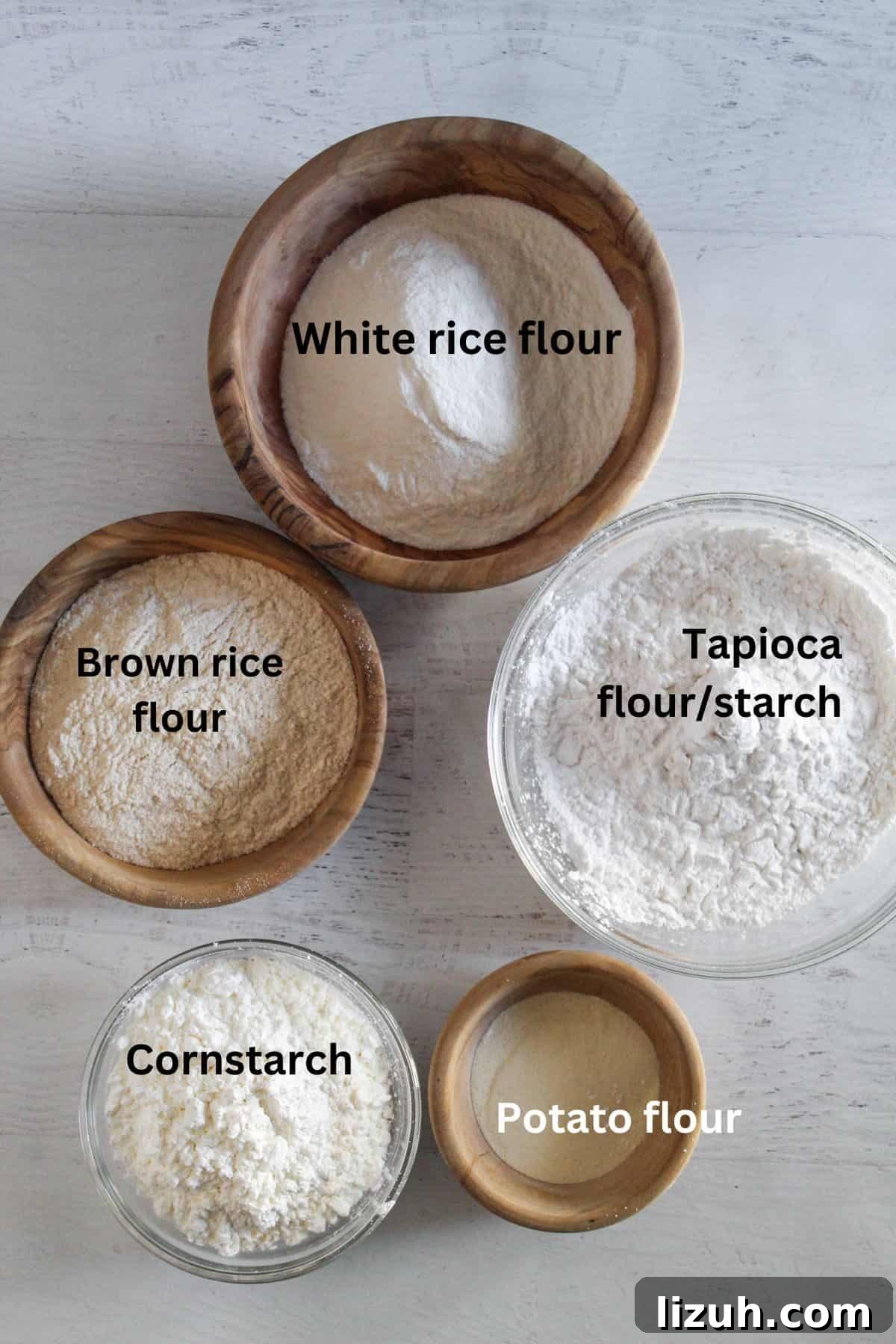
Here is a versatile homemade gluten-free flour blend that yields a large batch for regular baking.
Gluten-Free Flour Blend
- 350 grams white rice flour (about 2 cups)
- 310 grams brown rice flour (about 2 cups)
- 360 grams tapioca flour (about 3 cups)
- 270 grams cornstarch (about 2 cups)
- 45 grams potato flour (about 3 tbsp)
Mix thoroughly by hand or with a mixer and store in an airtight container or large bag.
Oat Flour FAQs
Quick answers to common questions about oat flour and substitutes.
What Kind of Oats Should You Use for Flour?
For homemade oat flour, rolled (old-fashioned) oats are the best choice: they grind smoothly into a consistent powder while keeping nutrients intact.
What’s The Best Way to Store Oat Flour?
Store oat flour in an airtight container in a cool, dry place for up to a month. For longer freshness, refrigerate for up to three months or make smaller batches and use them fresh.
What Does Oat Flour Taste Like?
Oat flour has a light, slightly sweet, and subtly nutty flavor that is mild enough to work in both sweet and savory recipes.
What’s the Best Substitute for Oat Flour?
There’s no single best substitute. The right choice depends on the recipe and what you need the flour to do. Almond and buckwheat flours are strong 1:1 alternatives for many applications; other flours work well in blends or with liquid adjustments.
All About Oat Flour
Oat flour is more than a gluten-free alternative: it’s a flexible ingredient that brings moisture and gentle flavor to baked goods. It won’t suit every recipe, but understanding its role helps you pick smart substitutes and make intentional baking choices.
Whether you swap almond flour into muffins, try cassava for a grain-free option, or build a custom blend, the goal is to match function—moisture, binding, or texture—rather than treating flours as interchangeable. With that mindset, you’ll get better, more consistent results.
Oat Flour Recipes
Oat flour yields light, soft, and satisfying baked goods with added nutrition.
- Oatmeal Raisin Cookies
- Peach Cobbler with Oat Topping
- Blueberry Oatmeal Muffins
- Oat Flour Banana Bread
Comment & Share
Are you experimenting with gluten-free baking? What’s your go-to flour and why? Share your experiences in the comments!