
Welcome to my Ultimate Tulum Guide. If parts of this feel familiar, it’s because I’ve written about Tulum before and I’ve returned—twice. This small coastal town in Quintana Roo captured my heart so fully that it became the first non-U.S. destination I went back to. We returned for our third wedding anniversary after first visiting on our anniversary two years earlier.
Tulum feels like a special corner of the world. If you’re considering it for a trip, do it. Below I’ve combined everything I learned across both visits: where to eat, where to stay, things to do, and the best day trips. Read on to plan a trip that captures the magic of Tulum.

About Tulum
Tulum is a town in Quintana Roo, Mexico, set between jungle and Caribbean coastline. The name Tulum means “wall,” referencing the ancient walled Mayan port that now forms a dramatic archaeological site overlooking the sea. The town blends jungle atmosphere, stunning beaches, and an emphasis on sustainable living. If you want a tropical getaway that still feels off the usual tourist grid—where excellent food meets simple, eco-conscious amenities—Tulum is an ideal choice.
Because it sits in a coastal rainforest, Tulum prioritizes protecting its flora and fauna. Simple rules reflect that: certain sunscreens and insect repellents aren’t allowed in cenotes to protect water quality, and supporting local vendors is a local priority. Don’t expect big chains or fast-food outlets; Tulum has a boutique, often bohemian vibe that many visitors love.
Tulum is divided into Tulum Town (Pueblo) and the beach strip (Playa). Both offer different experiences: Pueblo is budget-friendly with great Airbnbs and a lively local scene, while Playa places you directly on the sand and is perfect if you want to wake up to ocean views. I recommend staying on the beach if your budget allows, but Pueblo is a wonderful option for value and local flavor.
Practical Info: Getting There, Visas, Currency, Cards vs Cash
Visas and arrival: Most travelers don’t need a visa for short stays, but check your local Mexican consulate if you plan to stay longer than 180 days. Tulum has no airport; fly into Cancun and take a shuttle, bus, or rental car to Tulum. You’ll receive immigration paperwork at the airport—keep it safe as you’ll need it to depart.
Transfers: From Cancun airport you can use shared or private shuttles, ADO buses, or a rental car. We used a reputable shuttle company for peace of mind; if you rent a car at the airport it gives you more freedom for day trips.
When to visit and how long: Tulum is nice year-round. Shoulder and low seasons can offer better rates. I recommend at least five days to explore nearby cenotes, ruins, and beaches comfortably; a week or more is ideal if you want to relax and take several day trips.
Safety: Tulum is generally safe for tourists. Like any destination, use common sense, keep belongings secure, and avoid isolated areas late at night.
Currency: Mexican Pesos (MXN) are the local currency. Some businesses accept U.S. dollars, but exchange rates are usually better if you use pesos. Change money at banks or reputable exchange points.
Cards vs. cash: Tulum operates heavily on cash. Many small restaurants, cenote entrances, and markets prefer cash, and ATMs can be unreliable. Bring sufficient cash or exchange at a bank when you arrive.
Water and plumbing: Don’t drink tap water—use bottled water for drinking and brushing teeth. In many places you should not flush toilet paper; use the bins provided to avoid plumbing issues.
Wi‑Fi: Don’t expect strong Wi‑Fi in every room. Many spots have stronger signals in common areas or on the beach. Consider this a chance to unplug and enjoy your surroundings.
Getting around: Renting a car or biking are excellent options. Taxis are available and safe, but frequent taxi rides can add up. A rental vehicle makes it easier to reach cenotes, ruins, and nearby beaches on your own schedule.

Where to Stay: Pueblo vs Playa
Papaya Playa Project
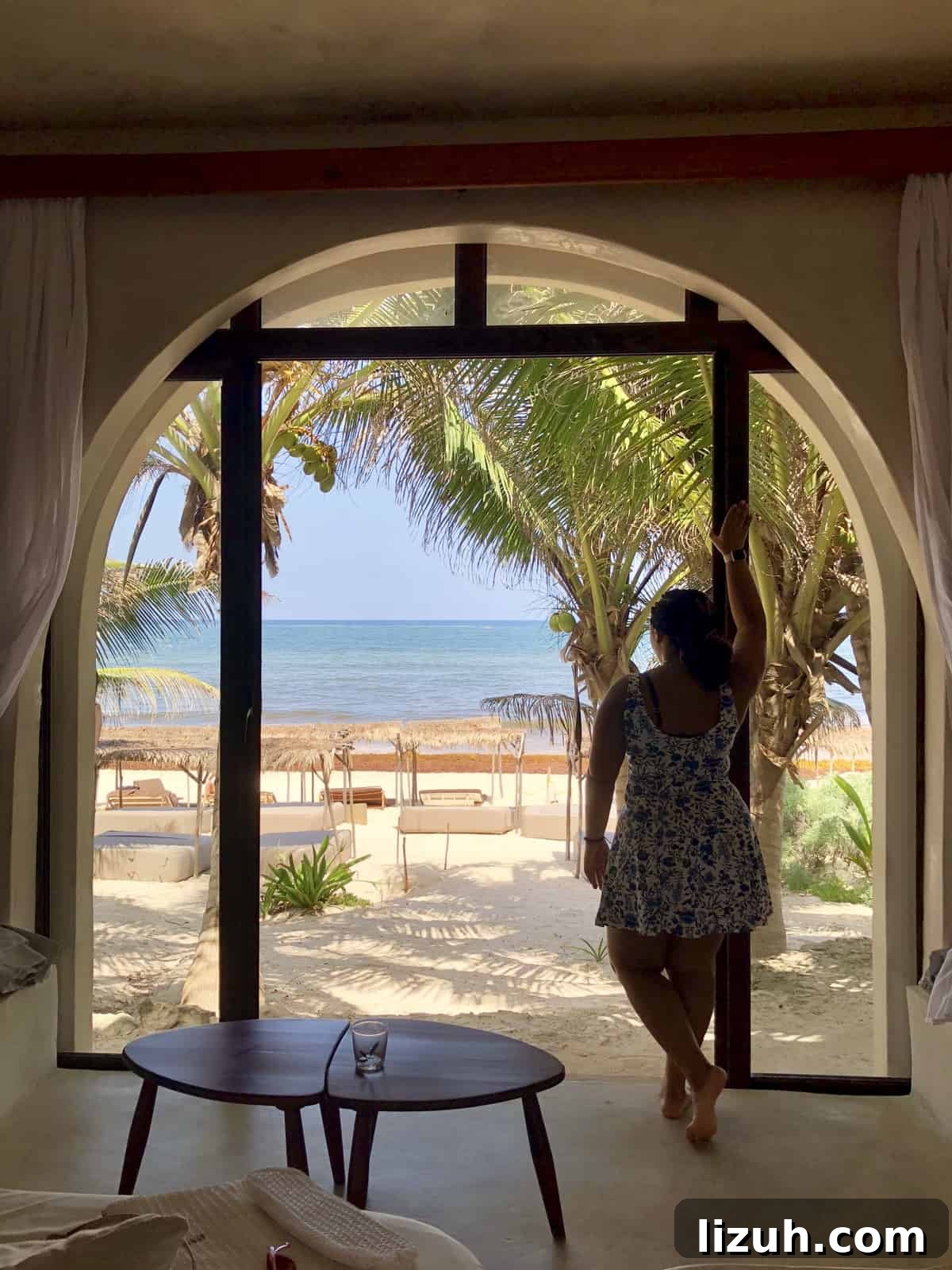
Papaya Playa Project is a standout hotel on the beach—beautiful design, attentive staff, and a strong focus on wellness and sustainability. We were upgraded during one stay and enjoyed a private casita with ocean views. Staff help with bookings, transfers, and local recommendations, and the on-site food options include many vegan choices. If you want a memorable beachfront stay, this is a top pick.
Los Amigos (Pueblo)
If you prefer staying in town, Los Amigos is a great boutique option. It feels like an intimate hotel with daily housekeeping, bike rentals, a rooftop pool, and helpful staff. Pueblo stays are often more budget-friendly and place you within walking distance of local markets and inexpensive restaurants.

What To Do in and Around Tulum
Cenotes
Visiting cenotes is a must. Gran Cenote, Dos Ojos, and Nicte-Ha are excellent choices. Cenotes are natural sinkholes with crystal-clear water—perfect for swimming, snorkeling, and diving. Some cenotes offer life jackets and guided dives. Each cenote has a unique atmosphere and beauty, so try a few if you can.
Mayan Ruins of Tulum
The clifftop ruins are iconic for a reason: the combination of ancient architecture and Caribbean backdrop is breathtaking. Bring sunscreen, a hat, and comfortable shoes. You can swim at the beach near some sections of the site. If you have extra time, consider the Coba ruins where climbing a pyramid is still allowed in designated areas.
Day Trips
Chichen Itza
A full-day trip to Chichen Itza is rewarding for history lovers. Guided tours offer cultural context and personal stories about Maya heritage. Bring cash for local vendors and be prepared for a busy tourist site.
Akumal Beach (swim with turtles)
Akumal is famous for sea turtles that feed and nest in the area. The site operates with conservation rules: no touching turtles, no fins that could stir up the seafloor, and respectful behavior to avoid disturbing wildlife. It’s a rare and beautiful experience if you follow the guidelines.
Akumal Monkey Sanctuary – Located near Akumal Beach, this sanctuary offers a chance to learn about rescued animals and support conservation work. It’s a great half-day stop alongside beach time.
Sian Ka’an Biosphere Reserve
Sian Ka’an is a UNESCO biosphere reserve worth a full-day excursion. Boat tours reveal mangroves, marine life, and pristine ecosystems; expect a 6–7 hour trip and limited connectivity during the tour.
Where to Eat & Drink
Papaya Playa Project
Papaya Playa has a substantial vegan-friendly menu and a pleasant beachfront atmosphere—great for welcome meals, breakfast, or a relaxed dinner.
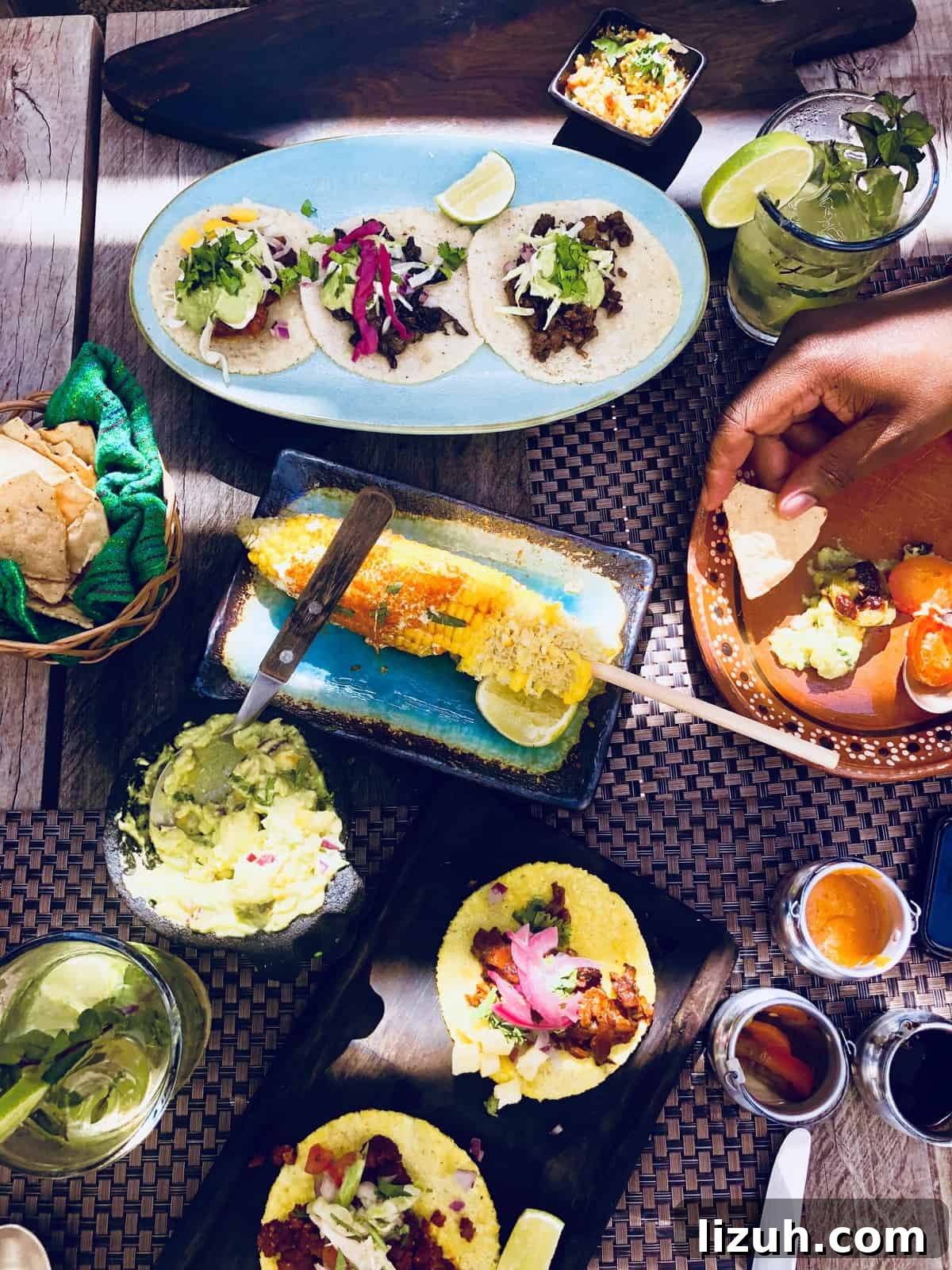
Charly’s Vegan Tacos
Charly’s is a must for vegan tacos with inventive fillings and bright flavors. The menu includes plated options, appetizers, and desserts. It’s popular with locals and visitors alike—bring cash, as some small spots don’t accept cards reliably.
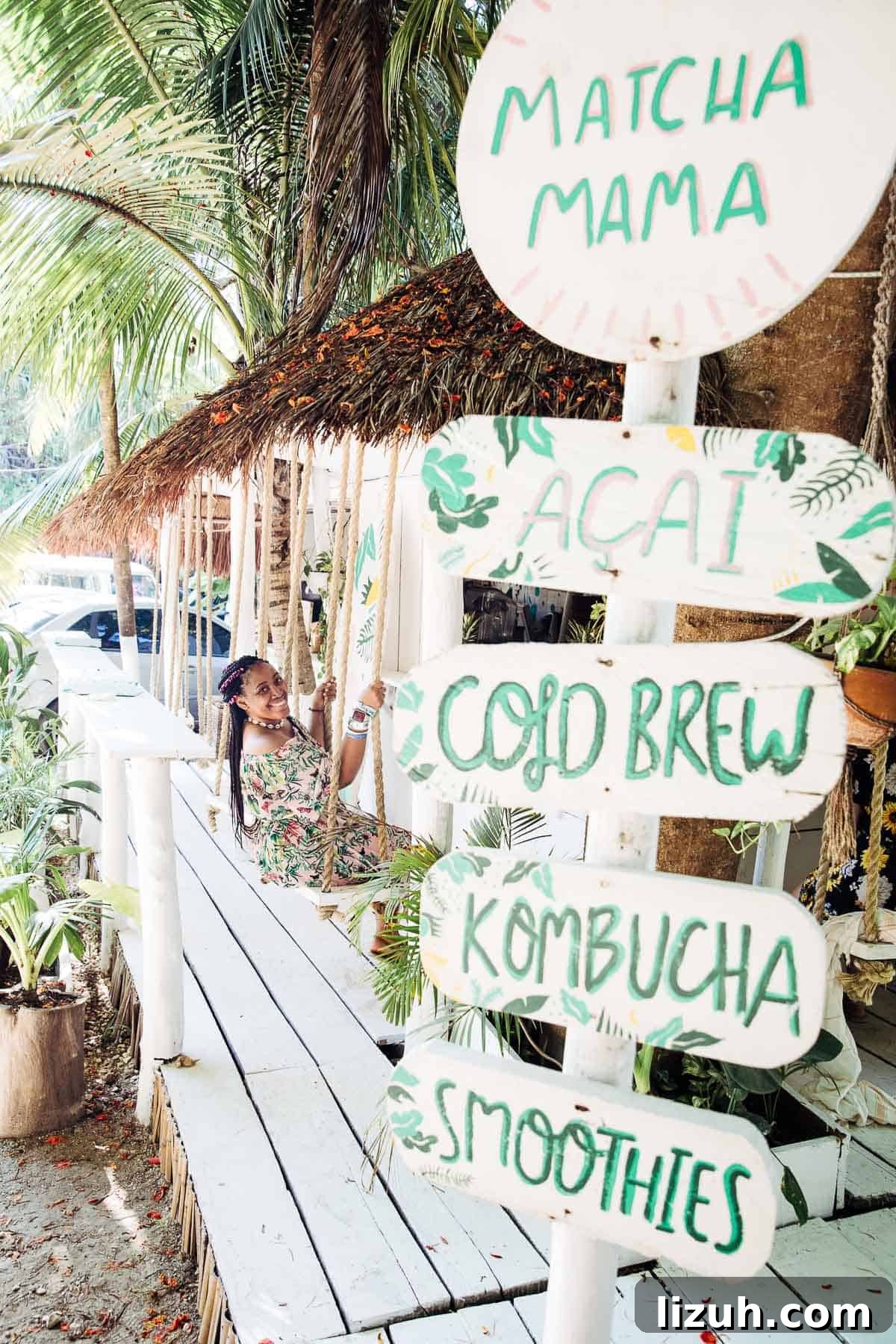
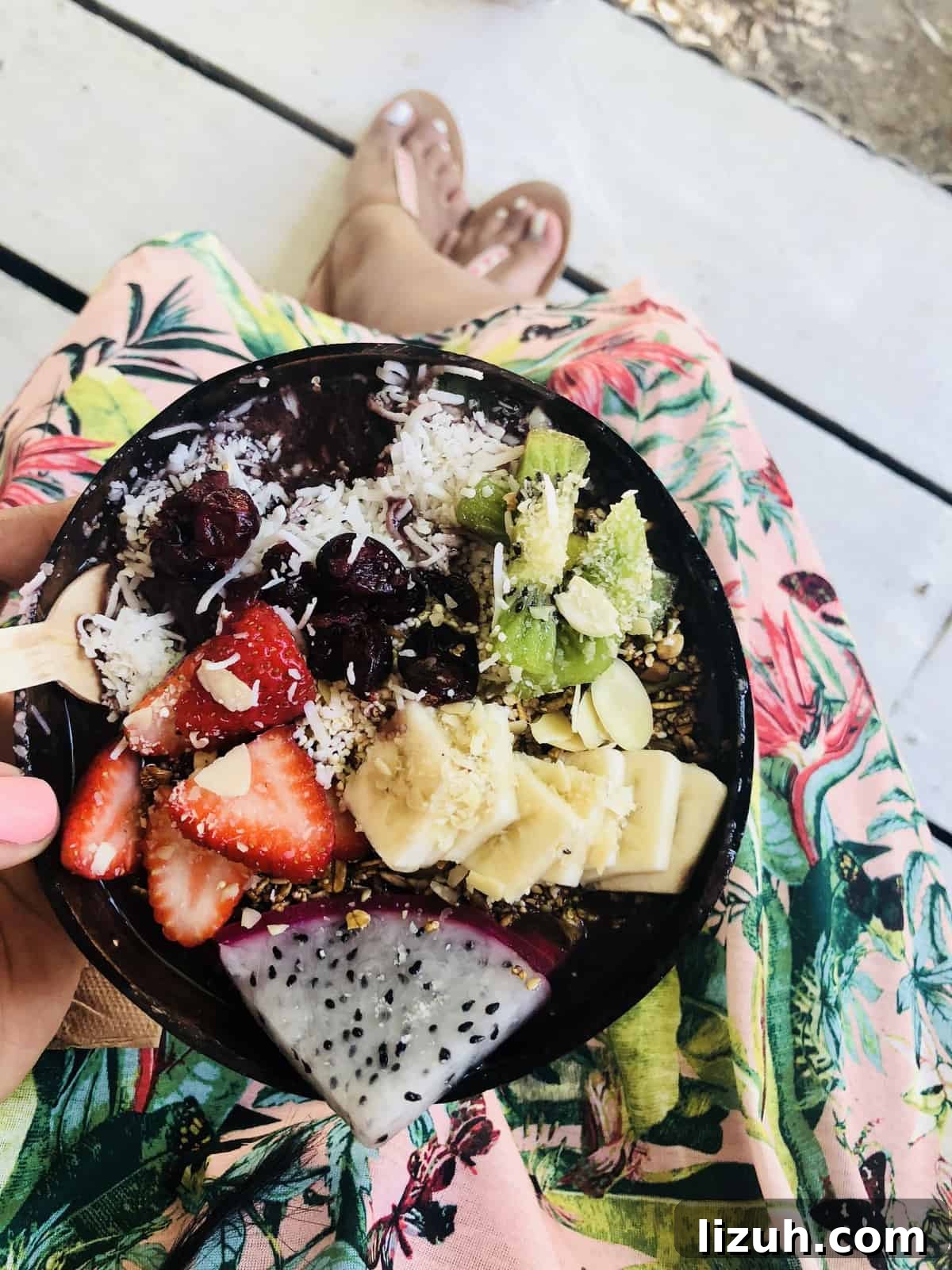
Matcha Mama
Matcha Mama is ideal for smoothie bowls, light bites, and a trendy spot for daytime photos and quick, healthy meals between activities.
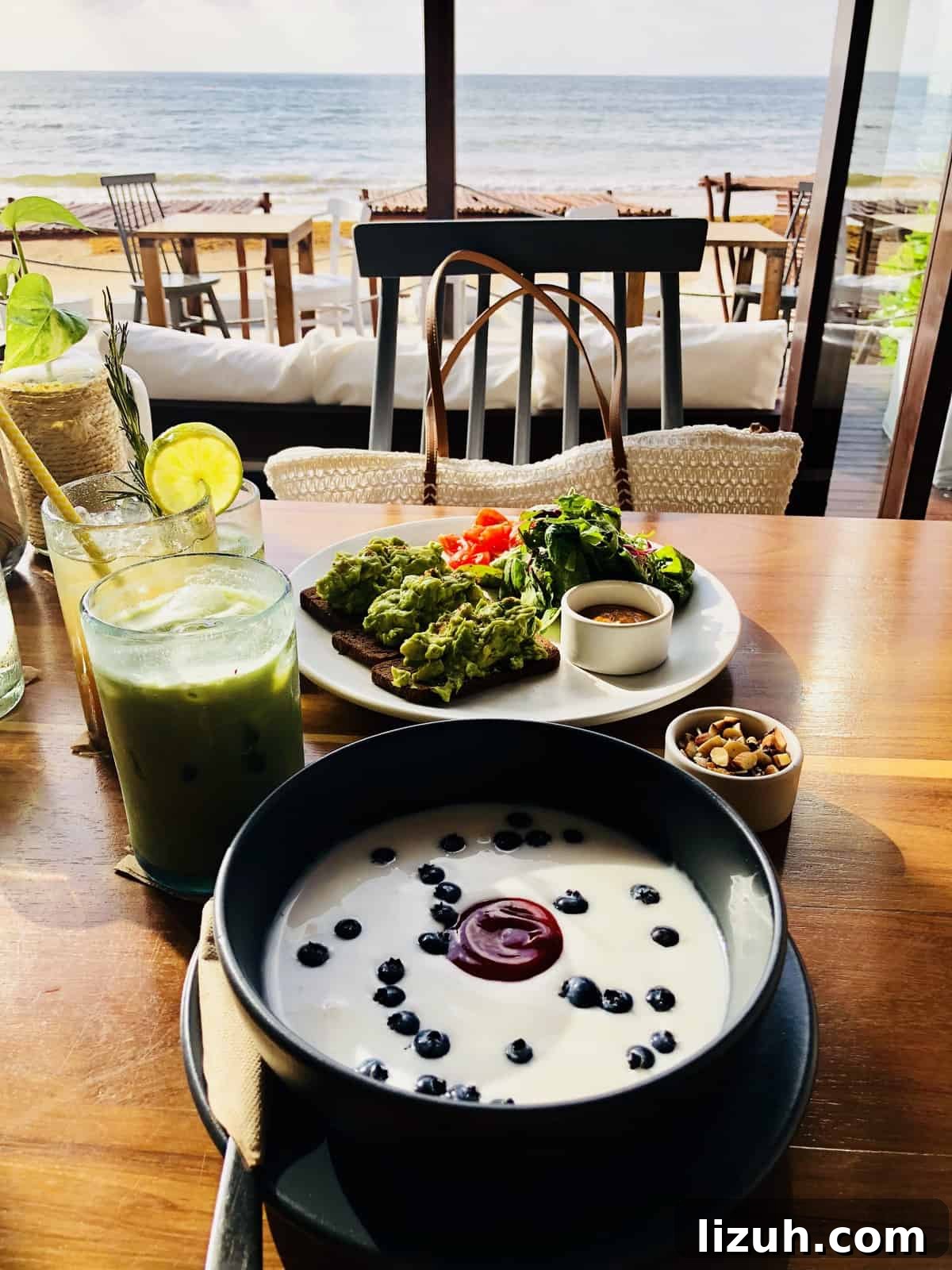
The Real Coconut (Sanara)
Breakfast at Sanara is memorable—light, fresh dishes like coconut yogurt with fruit and inventive plant-based options. It’s a lovely spot for a relaxed, healthy morning meal.
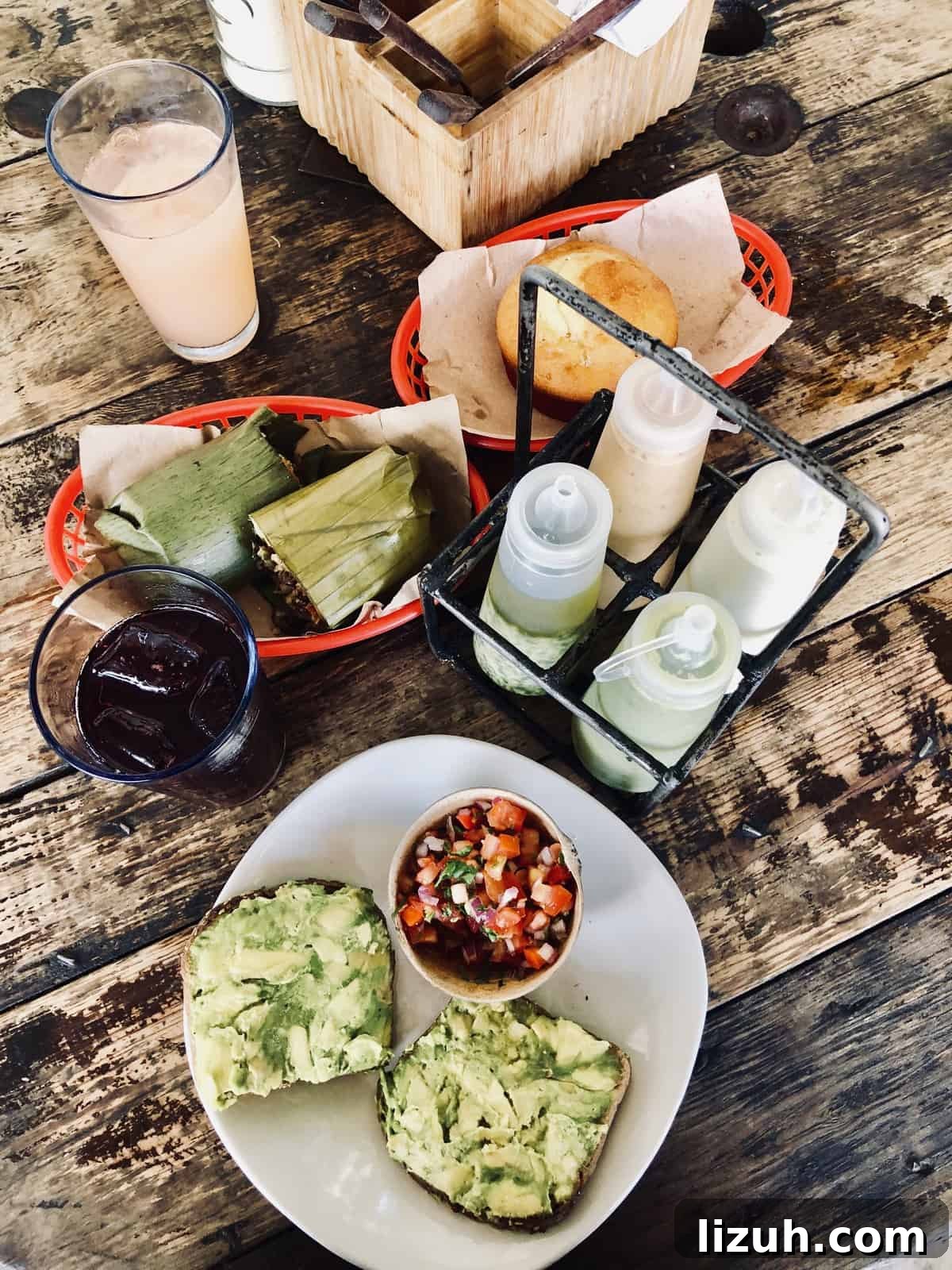
Burrito Amor
A reliable, budget-friendly spot for tasty burritos and casual fare. It’s affordable and worth a stop if you’re exploring the beach strip on a budget.
Kin Toh
Kin Toh offers a high-end dining experience with dramatic presentation. Experiences vary by dish; some items stand out as exceptional. Expect a more formal atmosphere and higher prices.
Bolas de Postre / I Scream Bar
I Scream Bar is a lively evening spot serving vegan ice cream and inexpensive drinks alongside live music. The atmosphere is fun and energetic—great for a casual night out with tasty desserts.
La Zebra
La Zebra has a strong beachfront vibe, excellent drinks, and attentive service. Many restaurants in Tulum are vegan-friendly—mention “vegano” if you need to clarify options or avoid dairy.
Co.Co Amor / Raw Love / Nomade
These spots are frequently recommended: Co.Co Amor offers vegetarian options with vegan choices, Raw Love is vegan, and Nomade’s daytime menu has several vegan-friendly items.
Top 5 Travel Tips for Tulum
Rent a car: It makes reaching cenotes, ruins, and nearby beaches much easier and gives you flexibility beyond taxis.
Use natural bug spray: Mosquitoes are common—choose reef- and water-safe repellents since many sites restrict chemical sprays.
Bring an open mind: Try local foods and experiences you might not find at home—Tulum’s produce and dishes are unique.
Visit the town (Pueblo): Spend time in town to taste authentic local food, shop local artisans, and get a sense of everyday life beyond the beach strip.
Unplug: Use the limited connectivity as an opportunity to relax, enjoy the beach, and be present—Tulum is ideal for a restorative break.


I hope you enjoyed this Ultimate Guide to Tulum. When are you planning to go and what do you want to try? Share your plans and any questions in the comments.